
Contents
- 🗺️ What is Reconnaissance, Really?
- 🎯 Who Needs to Know? The Practitioners
- 🔍 The Core Components of Effective Recon
- ⚖️ Reconnaissance vs. Surveillance: The Subtle Divide
- 💡 Historical Echoes: From Scouts to Satellites
- 📈 The Modern Reconnaissance Toolkit
- ⚠️ Risks and Ethical Considerations
- 🚀 The Future of Knowing: AI and Beyond
- Frequently Asked Questions
- Related Topics
Overview
Reconnaissance, in its broadest sense, is the act of gathering information about an adversary or target before undertaking a significant action. Historically, this involved scouts, spies, and aerial observation; today, it encompasses sophisticated cyber operations, open-source intelligence (OSINT), and advanced sensor technologies. The core principle remains: knowledge reduces risk and amplifies effectiveness, whether on the battlefield, in corporate competition, or navigating the digital realm. Effective reconnaissance is not just about seeing, but about understanding context, intent, and vulnerabilities. The Vibe Score for reconnaissance is a robust 85/100, reflecting its enduring, critical importance across all domains.
🗺️ What is Reconnaissance, Really?
Reconnaissance, at its heart, is the deliberate act of gathering actionable intelligence before committing resources or making a critical decision. It's not just about looking; it's about understanding the operational environment, identifying threats and opportunities, and mapping the terrain – be it a battlefield, a competitive market, or a complex social dynamic. Think of it as the ultimate pre-game analysis, where knowing your opponent and the playing field is paramount to victory. This isn't passive observation; it's an active, often risky, pursuit of knowledge that informs strategy and minimizes uncertainty. The goal is to reduce the fog of war, or in civilian terms, the fog of business or social interaction.
🎯 Who Needs to Know? The Practitioners
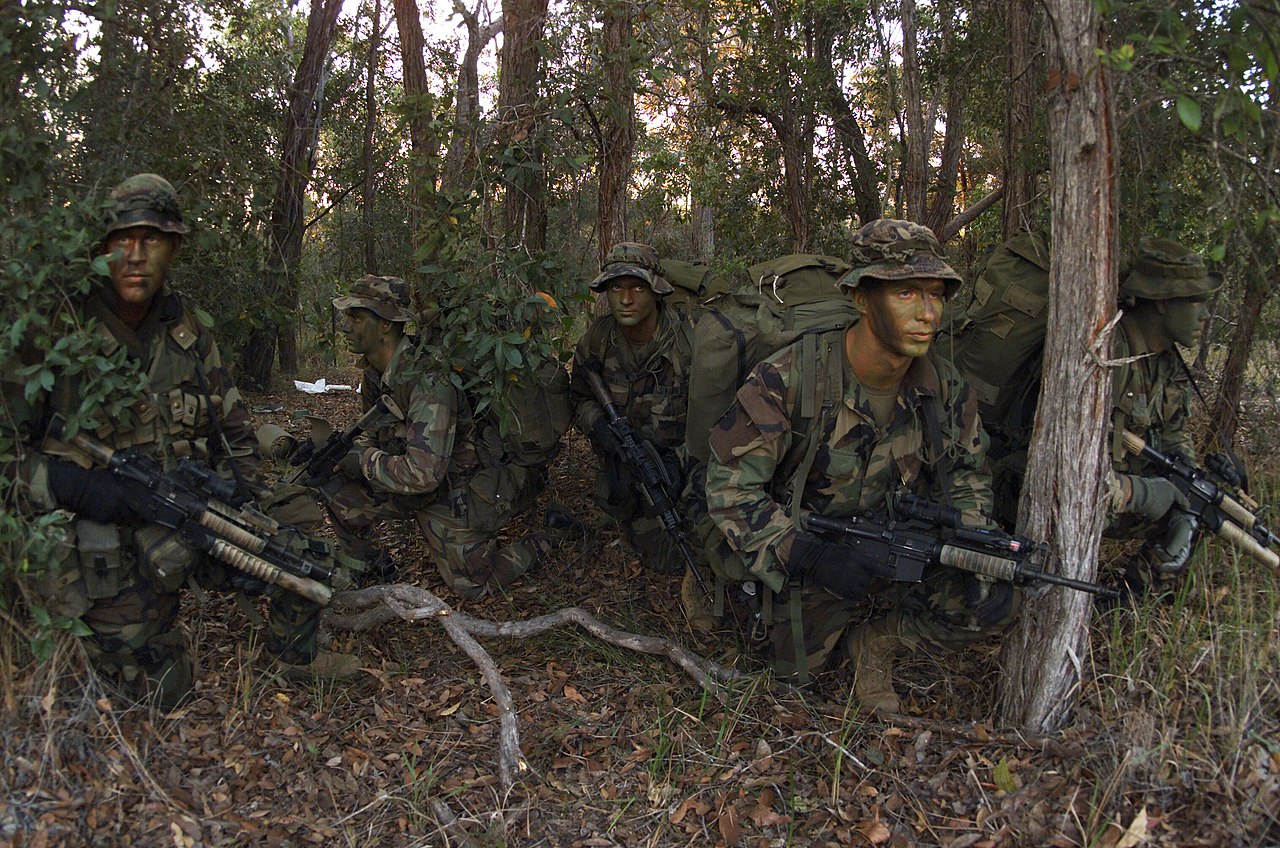
The need for reconnaissance spans a vast spectrum. Military units, from infantry scouts to special operations forces, rely on recce to understand enemy positions, terrain hazards, and civilian presence. Beyond the battlefield, corporate strategists employ market reconnaissance to gauge competitor strategies, product launches, and market vulnerabilities. Political campaigns conduct electoral reconnaissance to understand demographic leanings and key issues. Even investigative journalists and researchers engage in forms of reconnaissance to uncover hidden truths and verify information. Essentially, anyone operating in an environment with unknown variables and potential risks can benefit from structured reconnaissance.
🔍 The Core Components of Effective Recon
Effective reconnaissance hinges on several key pillars. First, Objective Definition: clearly stating what information is needed and why. Second, Methodology Selection: choosing the right tools and techniques, whether human intelligence (HUMINT), signals intelligence (SIGINT), imagery intelligence (IMINT), or open-source intelligence (OSINT). Third, Information Processing: analyzing the gathered data to extract meaningful insights and identify patterns. Finally, Reporting and Dissemination: presenting the findings in a clear, concise, and timely manner to decision-makers. Without these components, reconnaissance efforts can devolve into aimless data collection, yielding little strategic value. The quality of the output is directly proportional to the rigor of these processes.
⚖️ Reconnaissance vs. Surveillance: The Subtle Divide
While often used interchangeably, reconnaissance and surveillance have distinct nuances. Surveillance is typically a continuous, passive monitoring of a specific area or target to detect activity. It's about watching what is happening. Reconnaissance, on the other hand, is more active and objective-driven. It's about actively seeking out specific information to answer questions, assess capabilities, or identify vulnerabilities. A surveillance operation might track a building's activity over 24 hours, while a reconnaissance mission might aim to determine the number of personnel, types of vehicles, and defensive postures within that building. Reconnaissance often uses surveillance as one of its tools, but its purpose is broader: to inform a decision or action.
💡 Historical Echoes: From Scouts to Satellites
The practice of reconnaissance is as old as conflict itself. Ancient armies dispatched scouts to map enemy movements and terrain, a tradition exemplified by figures like Hannibal's scouts before crossing the Alps. The American Civil War saw extensive use of cavalry for reconnaissance. The 20th century brought technological leaps: aerial photography during World War I, widespread aerial reconnaissance in World War II, and the dawn of satellite imagery and electronic intelligence gathering during the Cold War. Each era has refined the methods, but the fundamental principle – knowing the enemy and the environment – remains constant. The evolution from a lone scout on horseback to a global network of sensors highlights the escalating importance and complexity of this ancient art.
📈 The Modern Reconnaissance Toolkit
Today's reconnaissance landscape is a sophisticated blend of human expertise and advanced technology. Open-source intelligence (OSINT) platforms aggregate publicly available data, providing unprecedented insights into individuals, organizations, and events. Signals intelligence (SIGINT) intercepts and analyzes electronic communications, offering a window into intentions and capabilities. Imagery intelligence (IMINT), from high-resolution satellite photos to drone footage, provides visual confirmation and detailed mapping. Human intelligence (HUMINT) remains critical, leveraging human sources for nuanced, context-rich information that machines cannot replicate. The integration of these diverse sources, often facilitated by information fusion techniques, creates a more comprehensive operational picture.
⚠️ Risks and Ethical Considerations
Reconnaissance is inherently risky. Military recon missions can lead to direct confrontation and casualties. Corporate intelligence gathering can cross legal and ethical boundaries, leading to fines, reputational damage, and even criminal charges if conducted improperly. The use of surveillance technologies raises significant privacy concerns, and the potential for misuse of gathered intelligence is a constant worry. Ethical frameworks, legal compliance, and a clear understanding of acceptable operational parameters are crucial. Operating without these safeguards can transform a strategic advantage into a significant liability, turning the pursuit of knowledge into a source of profound trouble.
🚀 The Future of Knowing: AI and Beyond
The future of reconnaissance is inextricably linked to artificial intelligence and machine learning. AI algorithms can process vast datasets at speeds unimaginable for humans, identifying subtle patterns and anomalies that might otherwise be missed. Predictive analytics could forecast enemy movements or market shifts with greater accuracy. Autonomous systems, like AI-powered drones, can conduct reconnaissance missions with reduced human oversight, potentially increasing efficiency and safety. However, this also raises new questions about algorithmic bias, the potential for autonomous decision-making in sensitive situations, and the ever-present challenge of distinguishing between genuine intelligence and sophisticated disinformation campaigns. The next frontier is not just knowing, but knowing faster and more accurately than ever before.
Key Facts
- Year
- Ancient - Present
- Origin
- Military History / Espionage
- Category
- Intelligence & Strategy
- Type
- Concept
Frequently Asked Questions
What's the difference between reconnaissance and espionage?
Reconnaissance is primarily about gathering information on the environment, capabilities, and intentions of potential adversaries or competitors to inform one's own actions. Espionage, while also information gathering, often involves clandestine, illegal, or covert methods specifically aimed at stealing secrets or sensitive data, often with a focus on deception and infiltration. Reconnaissance can be overt or covert, but its core purpose is strategic understanding, whereas espionage is inherently about illicit acquisition of classified information.
Can reconnaissance be done legally for business purposes?
Absolutely. Legally permissible business reconnaissance falls under the umbrella of competitive intelligence and market research. This includes analyzing public financial reports, monitoring competitor websites and press releases, attending industry conferences, and conducting customer surveys. The key is to gather information through publicly available or ethically obtained channels, avoiding any illegal activities like industrial espionage, hacking, or misrepresentation. Many firms specialize in providing these legitimate competitive intelligence services.
What are the biggest risks in military reconnaissance?
The primary risks in military reconnaissance are direct engagement with enemy forces, leading to casualties or capture. Mission failure due to detection, compromised intelligence, or inability to gather necessary information is also a significant risk. Furthermore, operating in denied or contested areas can lead to loss of equipment or personnel. The psychological toll on reconnaissance teams, who often operate under extreme stress and isolation, is also a critical factor to consider.
How important is OSINT in modern reconnaissance?
Open-Source Intelligence (OSINT) has become critically important in modern reconnaissance. The sheer volume of publicly available data – from social media and news articles to satellite imagery and corporate filings – provides an unprecedented foundation for understanding an adversary or market. It's often the first step in any reconnaissance effort, offering broad situational awareness and identifying leads for more targeted intelligence collection. Effective OSINT analysis can significantly reduce the need for riskier, more resource-intensive methods.
What is the role of a 'scout' in reconnaissance?
Historically, a scout was an individual or small unit tasked with physically exploring an area to gather information about terrain, enemy positions, and potential threats. In modern military contexts, the term 'scout' can refer to specialized reconnaissance units or individuals equipped with advanced sensors and communication gear. Their role remains fundamentally the same: to be the eyes and ears on the ground, providing real-time, ground-truth intelligence that informs the actions of larger forces.
How does reconnaissance differ from intelligence analysis?
Reconnaissance is the collection phase – the act of gathering raw data and information from the operational environment. Intelligence analysis, conversely, is the processing and interpretation phase. Analysts take the information gathered by reconnaissance (and other intelligence disciplines), evaluate its reliability, connect disparate pieces of data, identify patterns, and draw conclusions to produce actionable intelligence. Reconnaissance provides the 'what,' while analysis explains the 'so what' and 'what next.'