
Contents
Overview
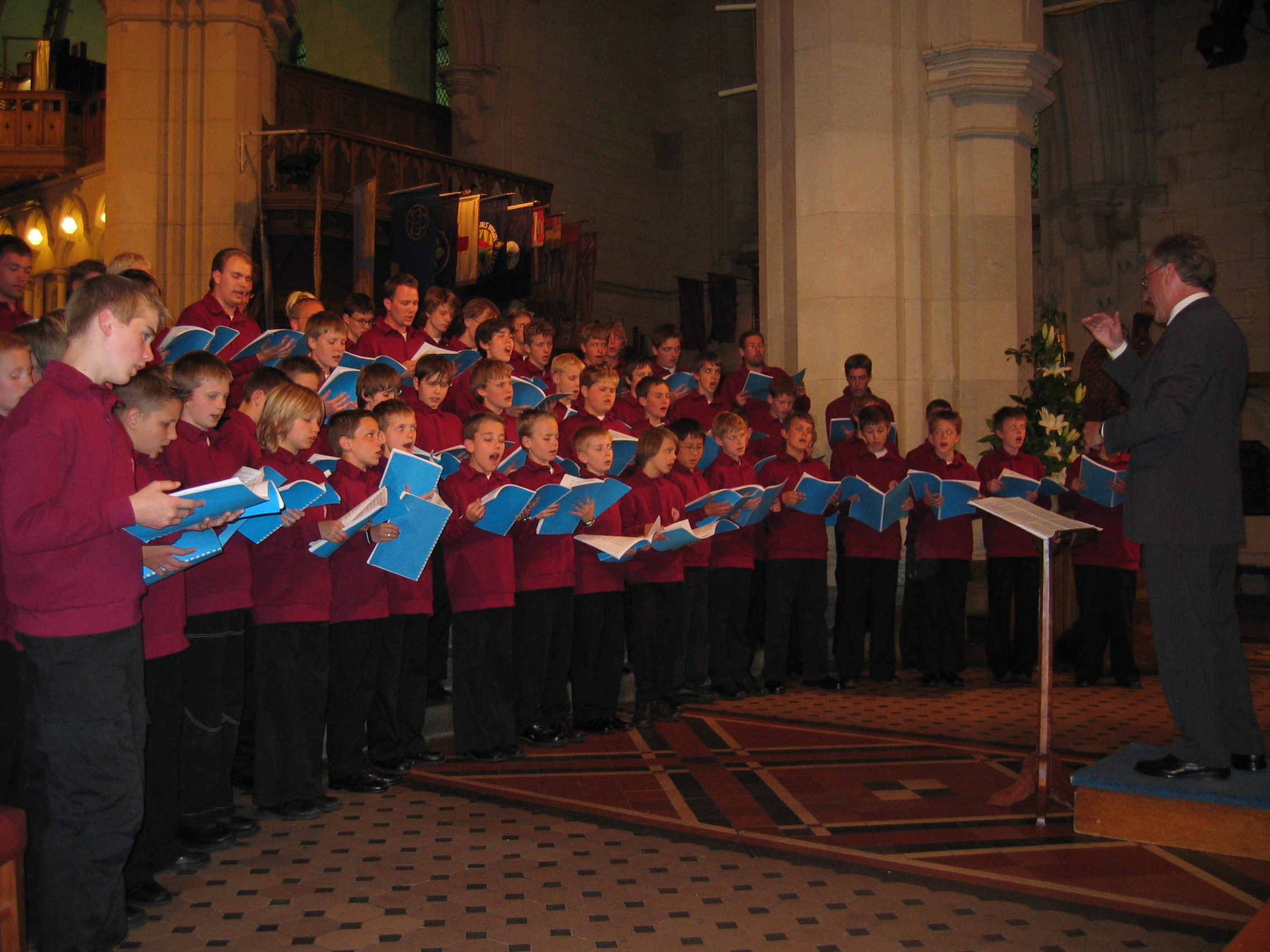
A cappella is a form of musical performance characterized by the exclusive use of the human voice, devoid of any instrumental accompaniment. Originating from the Italian phrase 'a cappella' meaning 'in the style of the chapel,' it initially distinguished Renaissance choral music from later, more instrumentally integrated styles. While the term's precise meaning has evolved, its core essence remains the production of melody, harmony, and rhythm solely through vocalization. This practice spans centuries and cultures, from ancient liturgical chants to modern pop ensembles, demonstrating the remarkable versatility and expressive power of the unadorned voice. Today, a cappella thrives in diverse settings, including barbershop quartets, collegiate groups, and professional touring acts, often incorporating beatboxing and vocal percussion to simulate instrumental textures.
🎵 Origins & History
The term 'a cappella' traces its roots to the Italian phrase 'a cappella,' meaning 'in the style of the chapel.' This designation emerged during the Renaissance to differentiate the purely vocal polyphonic compositions of composers like Giovanni Pierluigi da Palestrina from the emerging Baroque style, which increasingly incorporated instrumental accompaniment. It initially distinguished Renaissance choral music from later, more instrumentally integrated styles. Early liturgical music, such as Gregorian chants, predates this formal definition and represents a foundational form of unaccompanied vocal music.
⚙️ How It Works
At its core, a cappella music relies on the human voice to fulfill all musical roles: melody, harmony, bass line, and rhythm. Melody is typically carried by a lead vocalist or a section of the ensemble. Harmony is created by multiple singers performing different vocal lines simultaneously, often arranged in SATB (Soprano, Alto, Tenor, Bass) voicings. Rhythm and percussive elements are often simulated by a beatboxer or by specific vocalists designated as 'vocal percussionists,' who use their mouths to mimic drum sounds and rhythmic patterns. Sophisticated arrangements, like those found in groups such as Pentatonix, can layer these vocal parts to create a rich, full sound that rivals instrumental ensembles.
📊 Key Facts & Numbers
The global a cappella market is substantial, with estimates suggesting it generates hundreds of millions of dollars annually. Professional a cappella groups can earn upwards of $50,000 per performance, with top acts like Straight No Chaser grossing over $1 million per tour. The International A Cappella Association reports that over 40,000 a cappella festivals and competitions occur worldwide each year, involving millions of participants. In the United States alone, there are an estimated 10,000 collegiate a cappella groups, with an average group size of 15 members. The 'a cappella' genre on streaming platforms like Spotify sees billions of streams annually, indicating a significant and growing listener base.
👥 Key People & Organizations
Key figures in the history of a cappella include Hildegard of Bingen, whose 12th-century monophonic chants are among the earliest surviving examples of Western vocal music. During the Renaissance, composers like Josquin des Prez and Giovanni Pierluigi da Palestrina perfected polyphonic vocal writing. In the 20th century, groups like The King's Singers and The Persuasions revitalized the genre. Modern pioneers include Deke Sharon, often credited as the 'father of contemporary a cappella,' who arranged and produced for groups like Vocal Point and Pitch Perfect. Organizations like the Harmony Sweepstakes A Cappella Festival and the International A Cappella Association are crucial for fostering community and competition.
🌍 Cultural Impact & Influence
A cappella has profoundly influenced various musical genres and cultural expressions. Its historical roots in religious music, from Gregorian chants to Renaissance masses, shaped the development of Western classical music. The barbershop quartet tradition, emerging in the late 19th century, became a distinctly American cultural phenomenon. The genre experienced a significant resurgence in popular culture with the success of films like 'Pitch Perfect' (2012) and its sequels, which introduced contemporary a cappella to a massive global audience, inspiring countless new groups. This cinematic influence has led to a greater appreciation for vocal arrangements in pop music, with artists like Björk and Bon Iver experimenting with extensive vocal layering in their work.
⚡ Current State & Latest Developments
The contemporary a cappella scene is vibrant and continuously evolving. Professional groups like Pentatonix and Home Free achieve mainstream success through viral videos and extensive touring, often blending pop, country, and electronic music. The rise of online platforms like YouTube and TikTok has democratized a cappella, allowing amateur and professional groups alike to reach global audiences without traditional record labels. Competitions such as the International Gen-Art A Cappella Competition and the Pacific Crest A Cappella Festival continue to showcase emerging talent. The integration of advanced vocal effects and production techniques, mirroring electronic music, is a significant trend in 2024.
🤔 Controversies & Debates
A persistent debate within the a cappella community revolves around the definition of 'pure' a cappella. Some purists argue that any use of electronic effects, such as reverb or pitch correction, or the inclusion of beatboxing, deviates from the traditional concept. Others contend that these elements are essential tools for modern a cappella to compete with the sonic richness of instrumental music and to explore new creative possibilities. The controversy extends to competition rules, where the line between vocal percussion and simulated instrumental sounds can be blurry. Furthermore, the commercialization of a cappella, particularly through media like 'Pitch Perfect,' has led to discussions about artistic integrity versus mass appeal.
🔮 Future Outlook & Predictions
The future of a cappella appears bright, driven by technological advancements and a growing appreciation for vocal artistry. Expect to see further integration of AI in vocal arrangement and production, potentially creating new sonic textures and compositional tools. The global reach of online platforms will continue to foster diverse a cappella scenes worldwide, with increased cross-cultural collaborations. Educational institutions are increasingly incorporating a cappella into their music programs, ensuring a steady pipeline of talent. We might also see a cappella groups experimenting with immersive technologies like VR and augmented reality to create novel performance experiences, pushing the boundaries of what 'live' performance can mean.
💡 Practical Applications
A cappella has numerous practical applications beyond concert halls. It is a fundamental component of religious services across many faiths, providing a spiritual and communal musical experience. In education, a cappella singing is used to teach music theory, harmony, and ensemble skills, fostering teamwork and discipline. It serves as a powerful tool for vocal training, helping singers develop breath control, pitch accuracy, and vocal agility. Furthermore, a cappella arrangements are frequently used in film scores and commercials to evoke specific moods or add a unique sonic signature, as seen in the soundtracks for films like 'The Lion King' (1994) and 'The Mitchells vs. the Machines' (2021).
Key Facts
- Category
- culture
- Type
- genre