
Contents
Overview
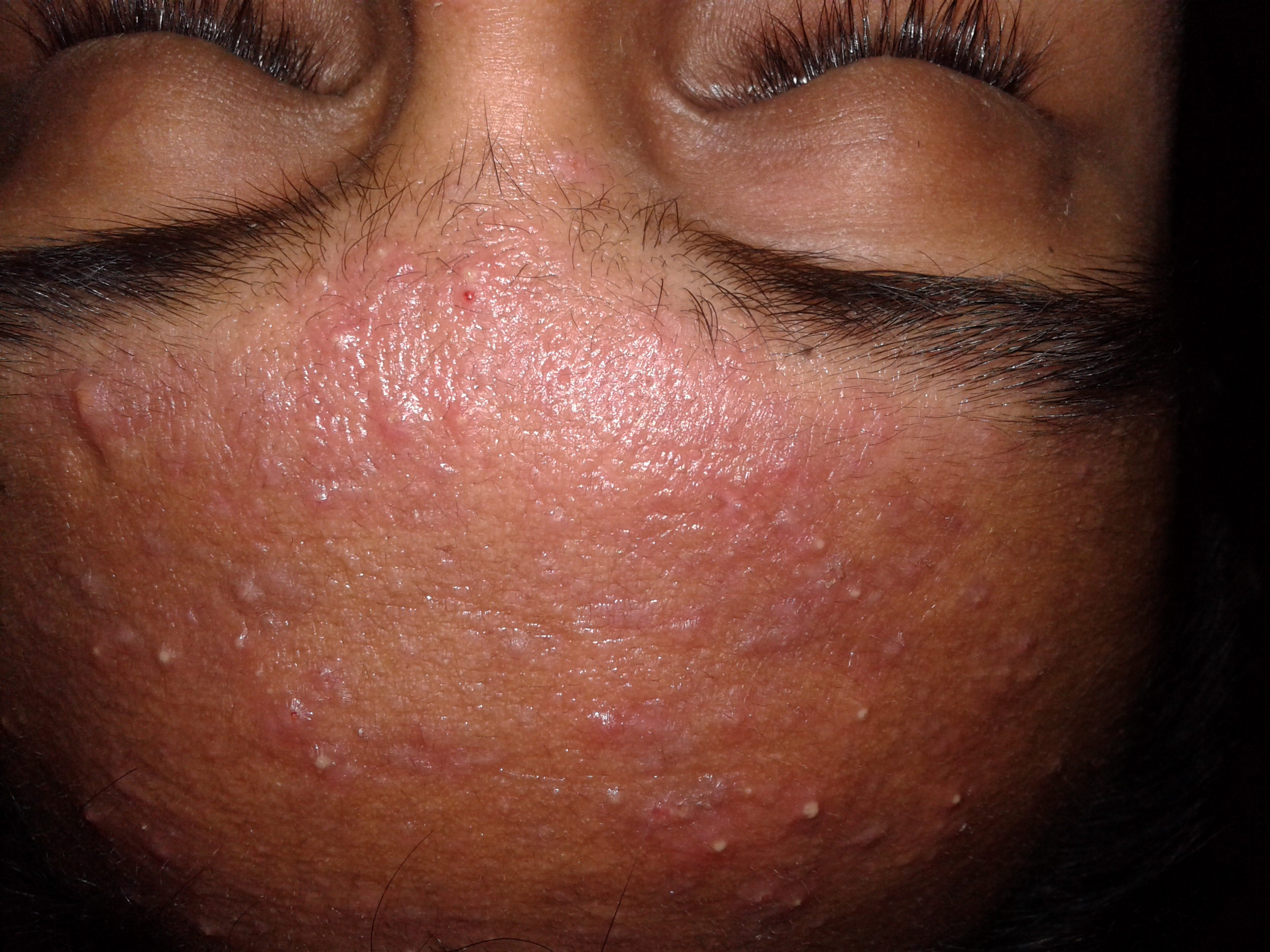
Acne treatment encompasses a vast array of medical and cosmetic interventions aimed at combating acne vulgaris, a chronic inflammatory skin condition affecting millions worldwide. From over-the-counter topical solutions to prescription retinoids, antibiotics, and hormonal therapies, the goal is to reduce sebum production, unclog pores, combat bacterial proliferation (primarily Cutibacterium acnes), and mitigate inflammation. The efficacy and approach vary wildly based on acne severity, type (comedonal, inflammatory, cystic), and individual skin characteristics, with a significant genetic component influencing susceptibility. Beyond physical discomfort and scarring, acne's psychological toll—impacting self-esteem and mental well-being—underscores the critical importance of effective, accessible treatment strategies. The market for acne treatments is substantial, reflecting both the prevalence of the condition and the ongoing search for more potent and less irritating solutions.
🎵 Origins & History
The quest to treat acne stretches back millennia, with ancient civilizations employing rudimentary methods. Hippocrates is credited with coining the term 'acme' (meaning peak or prime) to describe pustules, which later evolved into 'acne.' For centuries, treatments remained largely empirical, relying on poultices, mineral baths, and dietary advice. The true scientific understanding and development of targeted acne treatments began to accelerate in the 20th century with the advent of antibiotics and hormonal therapies, transforming the approach from mere symptom management to addressing underlying biological mechanisms.
⚙️ How It Works
Acne treatments primarily target excess sebum production, follicular hyperkeratinization (clogged pores), proliferation of Cutibacterium acnes (formerly Propionibacterium acnes), and inflammation. Topical treatments like benzoyl peroxide and salicylic acid work by killing bacteria and exfoliating the skin, respectively. Prescription retinoids are used to normalize follicular keratinization and reduce inflammation. Oral medications play a crucial role for moderate to severe acne; antibiotics like doxycycline and minocycline combat bacteria and inflammation, while spironolactone (an anti-androgen) can be effective for hormonal acne in women. Isotretinoin, an oral retinoid, is used for severe, recalcitrant acne due to its efficacy in drastically reducing sebum production and normalizing skin cell turnover, though it carries significant side effects and requires strict monitoring by dermatologists like Dr. Victoria Curtis.
📊 Key Facts & Numbers
The global acne treatment market is a multi-billion dollar industry. Topical treatments account for a significant portion of the market, with over-the-counter products generating billions in sales each year. Prescription medications, particularly oral isotretinoin, can cost hundreds of dollars per month. Dermatological procedures like chemical peels and laser therapy for acne scarring add further billions to the overall expenditure on acne management.
👥 Key People & Organizations
Key figures in acne treatment include dermatologists who pioneer new therapies and conduct clinical trials. Organizations like the American Academy of Dermatology (AAD) provide guidelines and patient education on acne management, while pharmaceutical giants such as Galderma, Stiefel Laboratories (now part of GSK), and Johnson & Johnson invest heavily in research and development of new acne medications and skincare lines. The U.S. Food and Drug Administration (FDA) plays a critical role in approving new treatments, ensuring their safety and efficacy through rigorous review processes.
🌍 Cultural Impact & Influence
Acne and its treatment have a profound cultural resonance, often influencing self-perception and social interactions. For centuries, clear skin has been associated with health, youth, and beauty, leading to significant social stigma for those with visible acne. This has fueled a massive beauty and skincare industry, with countless products and treatments marketed to achieve 'flawless' complexions. Media portrayals, from teen dramas to advertising campaigns, frequently depict acne as a temporary adolescent affliction, sometimes overlooking the chronic nature and psychological distress it can cause for adults. The rise of social media has further amplified this, with influencers and celebrities often promoting specific acne treatments, creating both awareness and sometimes unrealistic expectations. The pursuit of clear skin has become a significant cultural touchstone, impacting everything from fashion choices to dating confidence.
⚡ Current State & Latest Developments
The current landscape of acne treatment is characterized by a move towards more personalized and combination therapies. New topical formulations are emerging that aim to improve drug delivery and reduce irritation. The development of biologic therapies shows promise for severe inflammatory cases. Furthermore, advancements in light therapy and microneedling are offering non-pharmacological options for managing acne and its sequelae. The integration of telemedicine platforms is also expanding access to dermatological consultations, making acne treatment more convenient for many patients, particularly those in remote areas or with mobility issues.
🤔 Controversies & Debates
One of the most persistent controversies in acne treatment revolves around the role of diet. Growing research suggests links between high-glycemic diets, dairy consumption, and acne exacerbation in some individuals. This has led to debate within the medical community, with some advocating for dietary modifications as a complementary treatment, while others remain skeptical due to the variability of individual responses and the strength of genetic factors. Another ongoing debate concerns the long-term use of oral antibiotics, with concerns about antibiotic resistance and disruption of the gut microbiome. The potential teratogenicity of isotretinoin also remains a critical safety concern, necessitating strict pregnancy prevention programs for female patients.
🔮 Future Outlook & Predictions
The future of acne treatment is likely to be driven by advancements in precision medicine and biotechnology. We can expect to see more targeted therapies that address specific genetic predispositions or inflammatory pathways. The microbiome's role in acne is a rapidly evolving area, with potential for probiotic or prebiotic interventions to rebalance skin flora. Gene editing technologies, while still in early stages for dermatological applications, could offer novel approaches to managing acne at its root cause. Furthermore, the development of smart skincare devices and AI-powered diagnostic tools may enable earlier detection and more effective management of acne, potentially reducing the incidence of severe scarring and psychological distress. The focus will likely shift towards preventative strategies and treatments that minimize side effects while maximizing long-term efficacy.
💡 Practical Applications
Acne treatments are applied in various clinical and at-home settings. Dermatologists prescribe and administer treatments ranging from topical solutions and oral medications to in-office procedures like chemical peels, microdermabrasion, and corticosteroid injections for large, inflamed cysts. Over-the-counter products containing salicylic acid, benzoyl peroxide, and sulfur are widely available for mild to moderate acne. Skincare professionals offer facials and specialized treatments designed
Key Facts
- Category
- science
- Type
- topic