
Contents
- 🎵 Origins & History
- ⚙️ How It Works
- 📊 Key Facts & Numbers
- 👥 Key People & Organizations
- 🌍 Cultural Impact & Influence
- ⚡ Current State & Latest Developments
- 🤔 Controversies & Debates
- 🔮 Future Outlook & Predictions
- 💡 Practical Applications
- 📚 Related Topics & Deeper Reading
- Frequently Asked Questions
- Related Topics
Overview
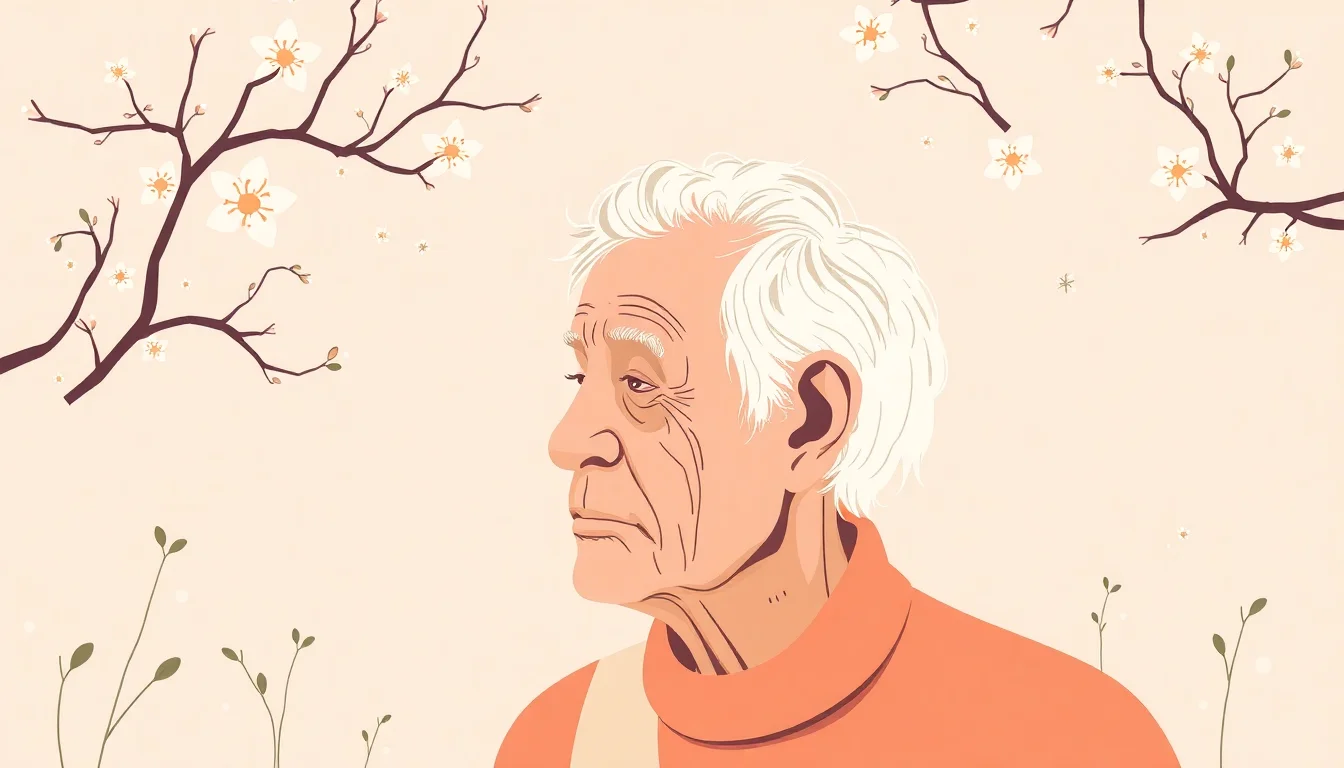
Aging, also spelled ageing, is the process of becoming older, characterized by the accumulation of changes in a human being over time, encompassing physical, psychological, and social changes. As people age, their reaction time may slow, while memories and general knowledge typically increase. Understanding aging is crucial. Current theories on aging include the damage concept, which suggests that the accumulation of damage, such as DNA oxidation, may cause biological systems to fail, and the programmed aging concept, which proposes that internal processes, like epigenetic maintenance, contribute to aging. Researchers, such as Leonard Hayflick, have made significant contributions to the field, including the discovery of cellular aging limits. The study of aging is a multidisciplinary field, involving gerontology, genetics, and epigenetics, with institutions like the National Institute on Aging playing a vital role in advancing our understanding of this complex process.
🎵 Origins & History
Origins paragraph — Aging has been a natural part of life since the dawn of humanity, with evidence of aging found in ancient civilizations, such as Ancient Egypt and Ancient Greece. The study of aging, however, has evolved significantly over time, with major contributions from scientists like Charles Darwin and Gregor Mendel.
⚙️ How It Works
How it works — The process of aging is complex and multifaceted, involving the accumulation of damage to biological systems over time. This damage can occur at various levels, including DNA, proteins, and cells, and can be influenced by factors such as lifestyle, environment, and genetics. Theories on aging, such as the damage concept and programmed aging concept, attempt to explain the underlying mechanisms of aging. For example, the mitochondrial theory of aging suggests that the decline in mitochondrial function contributes to aging.
📊 Key Facts & Numbers
Key facts — Aging is a complex process that affects individuals in different ways. The National Institute on Aging plays a vital role in advancing our understanding of aging.
👥 Key People & Organizations
Key people — Researchers, such as David Sinclair and Laura Berman, have made significant contributions to the field of aging. Institutions, like the National Institute on Aging and the American Aging Association, play a vital role in advancing our understanding of aging.
🌍 Cultural Impact & Influence
Cultural impact — Aging has significant cultural and social implications, with many societies placing a high value on youth and beauty. The World Health Organization has launched the Age-Friendly Cities initiative.
⚡ Current State & Latest Developments
Current state — Current research on aging is focused on understanding the underlying mechanisms of aging and developing interventions to promote healthy aging. The use of artificial intelligence and machine learning to analyze large datasets and identify patterns in aging is a rapidly growing field. The development of senolytic therapy and other anti-aging treatments is an area of active research.
🤔 Controversies & Debates
Controversies — There are many controversies and debates surrounding aging, including the use of stem cells and gene therapy to promote healthy aging. The ethics of life extension and the potential consequences of significantly increasing human lifespan are also topics of debate.
🔮 Future Outlook & Predictions
Future outlook — The future of aging research is promising, with many potential interventions and therapies on the horizon. The development of personalized medicine and precision medicine may allow for more targeted and effective treatments for age-related diseases. The use of artificial intelligence and machine learning to analyze large datasets and identify patterns in aging may also lead to significant breakthroughs in our understanding of the aging process.
💡 Practical Applications
Practical applications — Understanding aging has many practical applications, including the development of interventions to promote healthy aging and the prevention of age-related diseases. The World Health Organization has launched the Age-Friendly Cities initiative to promote age-friendly cities and communities.
Section 11
The International Monetary Fund has warned of the potential economic consequences of an aging population, reportedly.
Key Facts
- Year
- 2023
- Origin
- Global
- Category
- science
- Type
- concept
Frequently Asked Questions
What is aging?
Aging is the process of becoming older, characterized by the accumulation of changes in a human being over time, encompassing physical, psychological, and social changes. As people age, their reaction time may slow, while memories and general knowledge typically increase. The study of aging is a multidisciplinary field, involving gerontology, genetics, and epigenetics, with institutions like the National Institute on Aging playing a vital role in advancing our understanding of this complex process.
What are the main theories of aging?
The main theories of aging include the damage concept, which suggests that the accumulation of damage, such as DNA oxidation, may cause biological systems to fail, and the programmed aging concept, which proposes that internal processes, like epigenetic maintenance, contribute to aging. Other theories, such as the mitochondrial theory of aging, also attempt to explain the underlying mechanisms of aging.
How can we promote healthy aging?
Promoting healthy aging involves a combination of lifestyle changes, such as regular exercise, a balanced diet, and stress management, as well as access to healthcare and social support.