
Contents
Overview
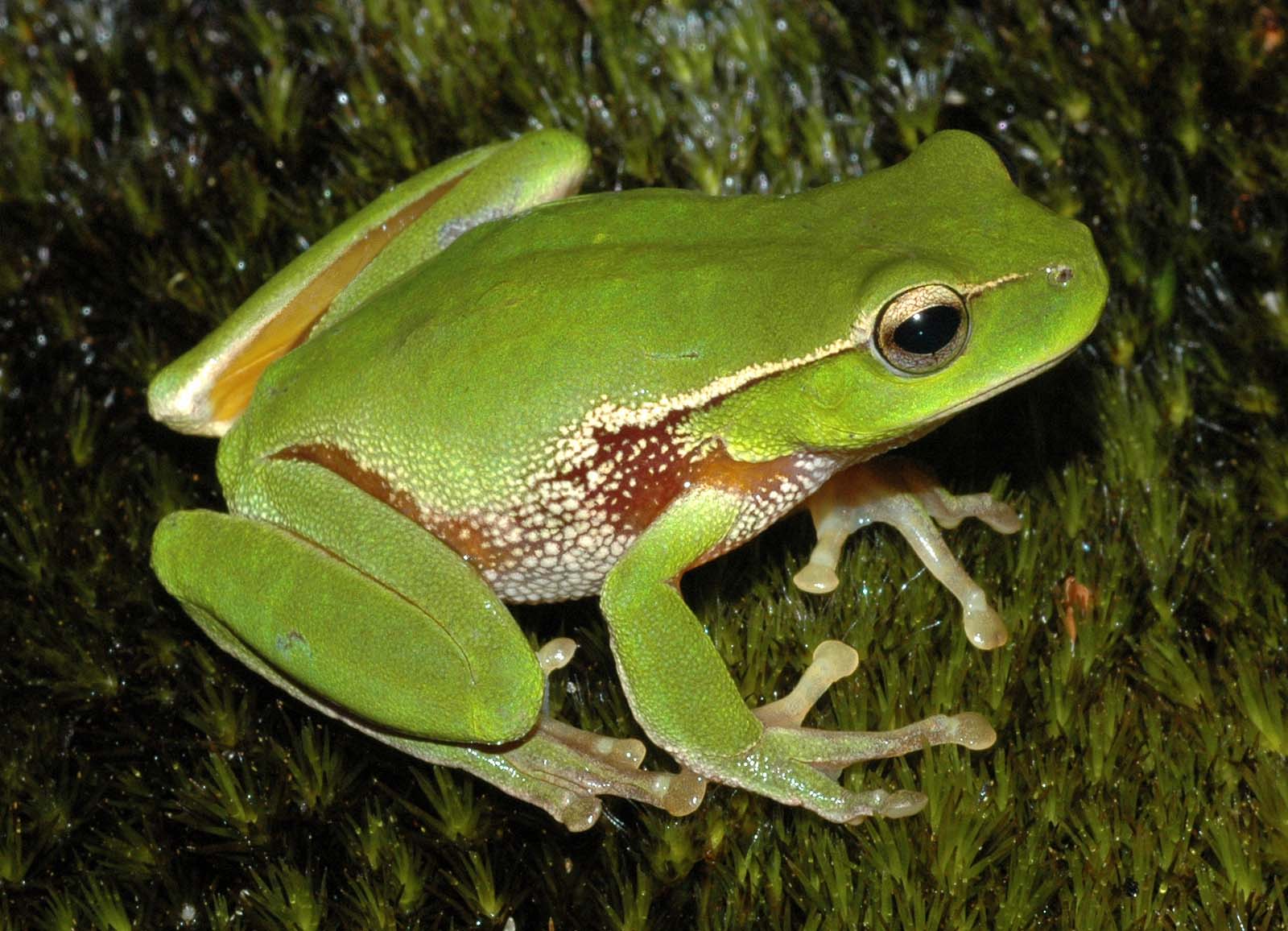
Amphibians, belonging to the class Amphibia, are a diverse group of ectothermic, tetrapod vertebrates that represent a crucial evolutionary link between aquatic and terrestrial life. While the broadest definition of Amphibia encompasses all tetrapods excluding amniotes, modern amphibians are classified within the monophyletic subclass Lissamphibia, comprising three orders: Anura (frogs and toads), Urodela (salamanders), and Gymnophiona (caecilians). These creatures are characterized by their permeable skin, which plays a vital role in respiration and hydration, and a life cycle that often includes an aquatic larval stage (like tadpoles) that metamorphoses into a terrestrial or semi-aquatic adult form. With a vast array of environments inhabited, amphibians' dependence on moisture makes them particularly sensitive to environmental changes. Their ecological roles are significant, acting as both predators and prey, and their unique physiology makes them invaluable indicators of ecosystem health.
🎵 Origins & History
The evolutionary journey of amphibians began with the emergence of lobe-finned fishes that possessed rudimentary limbs and lungs. These early tetrapods gradually adapted to life in shallow waters and eventually on land, laying the groundwork for all subsequent terrestrial vertebrates. The class Amphibia itself, as we recognize it today, solidified its form over millions of years, with the Lissamphibia subclass, containing all modern amphibians, appearing much later. This ancient lineage has witnessed the rise and fall of dinosaurs and the diversification of mammals, yet amphibians retain a primitive charm, a living testament to the transition from water to land.
⚙️ How They Live
Amphibians are defined by their permeable, moist skin, which facilitates cutaneous respiration (breathing through the skin) and water absorption, a critical adaptation for many species. Their ectothermic nature means they rely on external sources for body heat, influencing their activity patterns and habitat selection. The typical amphibian life cycle involves metamorphosis: aquatic larvae, often called tadpoles, possess gills and a tail, undergoing a dramatic transformation into air-breathing adults with limbs and lungs, though some species have evolved direct development, bypassing the larval stage. This dual life, straddling aquatic and terrestrial realms, necessitates specific adaptations for osmoregulation, reproduction, and locomotion, making them exquisitely sensitive to environmental shifts. The diversity in reproductive strategies, from external fertilization in frogs to internal fertilization in salamanders and caecilians, highlights their varied evolutionary paths.
📊 Key Facts & Numbers
The class Amphibia boasts an impressive diversity, with new species being discovered annually, particularly in tropical regions like the Amazon rainforest. Globally, amphibians are found on every continent except Antarctica, thriving in a wide range of habitats, from arid deserts to dense rainforests and high-altitude mountains. However, an alarming trend is their rapid decline: the IUCN Red List identifies over 40% of amphibian species as threatened with extinction, making them one of the most endangered vertebrate classes. This crisis is driven by factors including habitat loss, climate change, and the devastating spread of the chytrid fungus (Batrachochytrium dendrobatidis).
👥 Key Players & Families
The three extant orders of amphibians are Anura, Urodela, and Gymnophiona. Anura, encompassing frogs and toads, are the most speciose, with their powerful hind legs for jumping and their distinctive vocalizations, exemplified by the American Bullfrog and the Cane Toad. Urodela, or salamanders and newts, retain a more primitive tetrapod form with elongated bodies and tails, such as the Fire Salamander and the Axolotl, known for its regenerative capabilities. Gymnophiona, the caecilians, are limbless, burrowing amphibians that often resemble earthworms or snakes, with species like the Typhlonectes compressicauda inhabiting aquatic environments. Key organizations like the IUCN and Amphibian Ark are dedicated to studying and conserving these diverse groups.
🌍 Cultural Impact & Influence
Amphibians have long held a significant place in human culture, appearing in folklore, mythology, and art across the globe. Many indigenous cultures view amphibians, particularly frogs, as symbols of fertility, rain, and good fortune. In modern times, amphibians like the Poison Dart Frog have captivated scientists and the public alike with their vibrant colors and potent toxins, while the Axolotl has become an icon in developmental biology research and popular culture. Their presence in literature and film, from fairy tales of princes turned into frogs to scientific documentaries, underscores their enduring fascination.
⚡ Current State & Latest Developments
The current state of amphibians is one of profound crisis. The global amphibian population decline, often referred to as the 'sixth mass extinction' for this class, continues unabated. Major conservation efforts are underway, including captive breeding programs for critically endangered species like the Panamanian Golden Frog and habitat restoration projects in areas affected by deforestation and pollution. Researchers are also intensely studying the impact of emerging infectious diseases, particularly the chytrid fungus, and developing potential mitigation strategies. The ongoing discovery of new species, especially in under-explored tropical regions, highlights the vastness of what remains to be understood and protected before it is lost.
🤔 Controversies & Debates
The most significant controversy surrounding amphibians is the ongoing debate about the primary drivers and potential solutions for their global decline. While habitat destruction and climate change are widely acknowledged threats, the precise role and impact of the chytrid fungus remain a subject of intense research and debate among herpetologists and disease ecologists. Furthermore, the ethics and efficacy of intensive conservation interventions, such as widespread captive breeding and reintroduction programs, are debated, with some arguing for a focus on preserving natural habitats as the ultimate solution. The classification of certain species and the extent of their evolutionary relationships also spark scientific discussion.
🔮 Future Outlook & Predictions
The future for amphibians is precarious, with projections indicating continued population declines if current trends persist. However, there is a growing global commitment to amphibian conservation, driven by organizations like the WWF and numerous regional conservation groups. Advances in genetic research may offer new tools for understanding amphibian resilience and developing targeted conservation strategies. Scientists are also exploring the potential for amphibians to serve as bio-indicators for environmental health, providing early warnings of ecosystem degradation. The hope is that increased public awareness and robust policy changes will stem the tide of extinction, securing a future for these ancient vertebrates, perhaps through initiatives like the Global Amphibian Threat Assessment.
💡 Practical Applications
Amphibians play crucial roles in ecosystems, serving as both predators that control insect populations and as prey for birds, mammals, and reptiles, thus forming vital links in food webs. Their permeable skin makes them excellent bio-indicators; a decline in amphibian health or population can signal broader environmental problems like water pollution or pesticide contamination. In scientific research, species like the African Clawed Frog were instrumental in early pregnancy tests due to their hormonal responses, and the Axolotl is a model organism for studying regeneration. Furthermore, the unique bioactive compounds found in the skin secretions of some amphibians, such as certain poison dart frogs, are being investigated for potential pharmaceutical applications, including painkillers and antibiotics.
Key Facts
- Category
- nature
- Type
- topic