
Contents
Overview
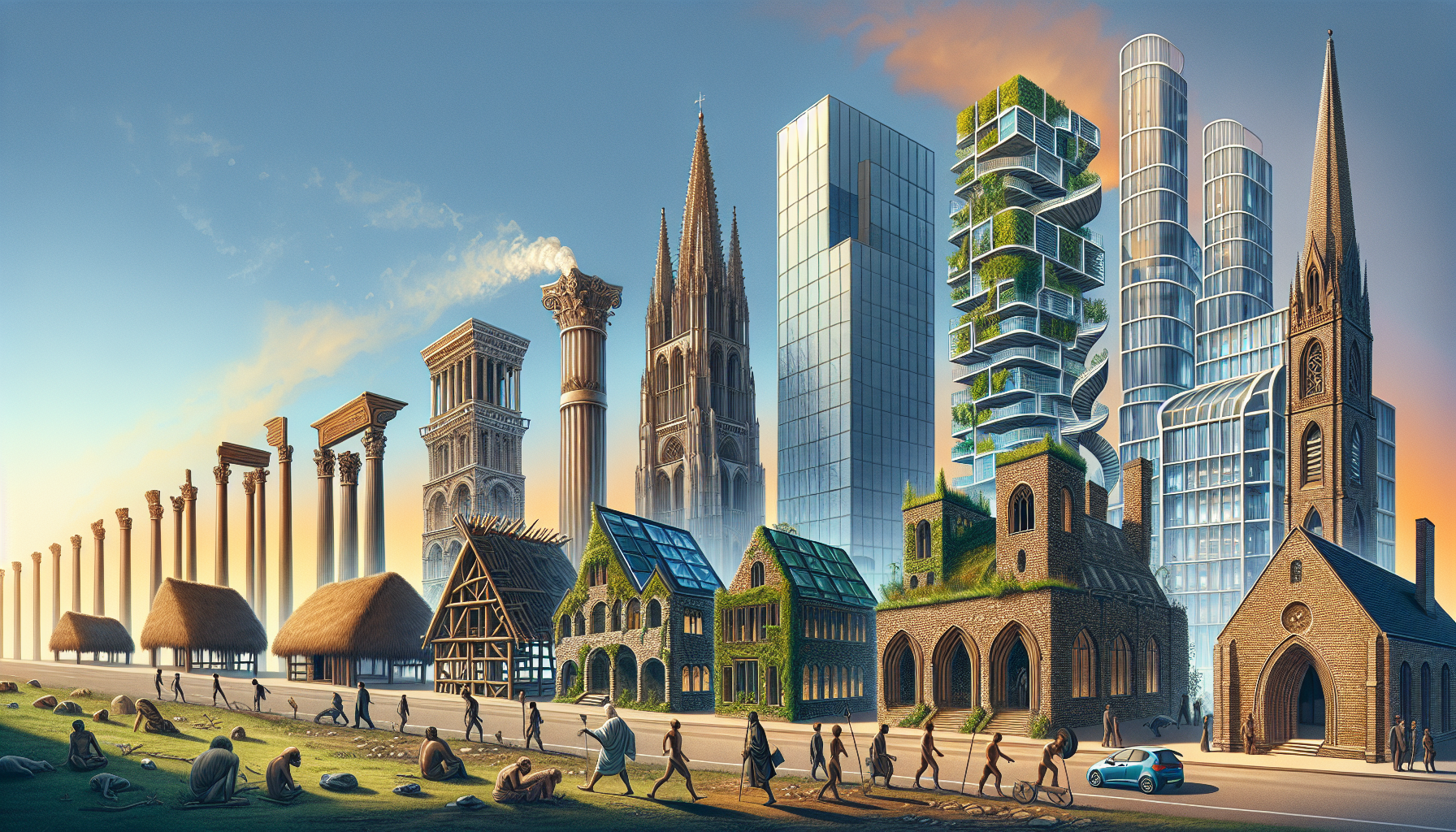
The history of architectural design stretches back to the earliest human settlements, beginning around 10,000 BC with the Neolithic period. Early humans transitioned from caves to constructing functional shelters using basic materials like sticks and stones, marking the dawn of conscious home design. This evolution continued through civilizations like Mesopotamia, where mud bricks were utilized for monumental structures such as ziggurats, and ancient Egypt, renowned for its monumental pyramids and temples. The ancient Greeks elevated architecture to an art form, developing distinct orders like Doric, Ionic, and Corinthian, and employing optical illusions to achieve aesthetic balance, as seen in the Parthenon. The Romans, with their advanced engineering, introduced aqueducts, rounded arches, and new architectural orders, leaving a lasting influence on building design, as documented by Marcus Vitruvius Pollio in his treatise 'De architectura'. This historical progression, from basic shelter to complex artistic and engineering feats, laid the groundwork for subsequent architectural movements, influencing everything from the Romanesque churches to the soaring Gothic cathedrals.
⚙️ How It Works
Architectural design is a multifaceted discipline that involves a systematic process of planning, conceptualizing, and detailing buildings and structures. It begins with understanding client needs, site analysis, and regulatory requirements, often involving extensive research and collaboration. Key elements of design include line, direction, proportion, texture, color, value, shape, and form, which are manipulated through principles like emphasis, axis, symmetry, asymmetry, balance, datum, space, movement, rhythm, scale, unity, and contrast. Modern architectural practices increasingly leverage Building Information Modeling (BIM) and artificial intelligence (AI) to optimize accuracy, visualization, and collaboration, as highlighted by trends shaping the future of architecture in 2026. Sustainable architecture principles, such as passive design, energy efficiency, and the use of renewable materials, are also integral, aiming to minimize environmental impact and enhance occupant well-being, as championed by organizations like the AIA.
🌍 Cultural Impact
Architectural design profoundly shapes culture by reflecting societal values, technological advancements, and aesthetic sensibilities across different eras and regions. From the monumental pyramids of ancient Egypt, symbolizing power and the afterlife, to the functional and aesthetically refined structures of ancient Greece, architecture has always served as a physical manifestation of a civilization's spirit. The development of modern architecture in the 20th century, with its emphasis on functionality, new materials like steel and reinforced concrete, and styles like Bauhaus and International Style, has transformed urban landscapes globally. Contemporary trends like adaptive reuse, biophilic design, and community-centered design further illustrate how architecture responds to evolving social needs, environmental concerns, and a desire for connection, influencing how people live, work, and interact within built environments. The influence of architectural design can be seen in everything from the layout of cities, as exemplified by the Commissioners' Plan of 1811, to the design of everyday objects.
🔮 Legacy & Future
The future of architectural design is being shaped by a confluence of technological innovation, sustainability imperatives, and evolving human expectations. Trends like generative design, digital twins, and the increasing integration of AI are poised to revolutionize the design and construction process, offering unprecedented levels of efficiency and creativity. The growing emphasis on sustainability and biodiversity, coupled with the revival of natural building materials like timber and rammed earth, signals a move towards more environmentally conscious and biophilic designs. As architects continue to push boundaries, exploring concepts like 3D-printed architecture and smart materials, the built environment will undoubtedly become more responsive, resilient, and harmonious with nature. The ongoing evolution of architectural design promises not only to redefine our physical spaces but also to enhance our quality of life and our relationship with the planet, building upon the legacy of pioneers like Le Corbusier and Oscar Niemeyer.
Key Facts
- Year
- c. 10,000 BC - Present
- Origin
- Global
- Category
- aesthetics
- Type
- concept
Frequently Asked Questions
What are the fundamental principles of architectural design?
The fundamental principles of architectural design include emphasis, axis, symmetry, asymmetry, balance, datum, space, movement, rhythm, scale, unity, and contrast. These principles guide architects in creating aesthetically pleasing and functional structures.
How has technology impacted architectural design?
Technology has significantly impacted architectural design through tools like Building Information Modeling (BIM) and artificial intelligence (AI), which enhance accuracy, collaboration, visualization, and efficiency in the design and construction process. Emerging technologies like generative design and digital twins are further revolutionizing the field.
What is sustainable architecture?
Sustainable architecture, also known as green architecture, focuses on minimizing the environmental impact of buildings through eco-friendly design principles, resource efficiency, and the use of renewable materials. Key aspects include passive design, energy efficiency, water conservation, and reducing the life cycle carbon footprint.
What are some current trends in architectural design?
Current trends in architectural design include warm minimalism, quiet luxury, biophilic design, adaptive reuse, 3D-printed architecture, and the use of smart materials. There is also a growing emphasis on community-centered design and sustainability.
Who are some influential figures in the history of architectural design?
Influential figures in architectural design include ancient figures like Marcus Vitruvius Pollio, modernist pioneers like Le Corbusier and Walter Gropius, and contemporary architects like Oscar Niemeyer. Hassan Fathty is also recognized for his contributions to sustainable traditional architecture.
References
- aia.org — /resource-center/home-design-trends-survey-hdts
- en.wikipedia.org — /wiki/Modern_architecture
- theaecassociates.com — /blog/benefits-of-sustainable-architecture/
- breathe.com.au — /guides/houses/principles-of-sustainable-architecture
- archdaily.com — /931129/12-important-modernist-styles-explained
- archdaily.com — /tag/design-trends
- saaarchitects.com — /5-principles-for-sustainable-and-efficient-design/
- architecturaldigest.com — /topic/trends