
Contents
Overview
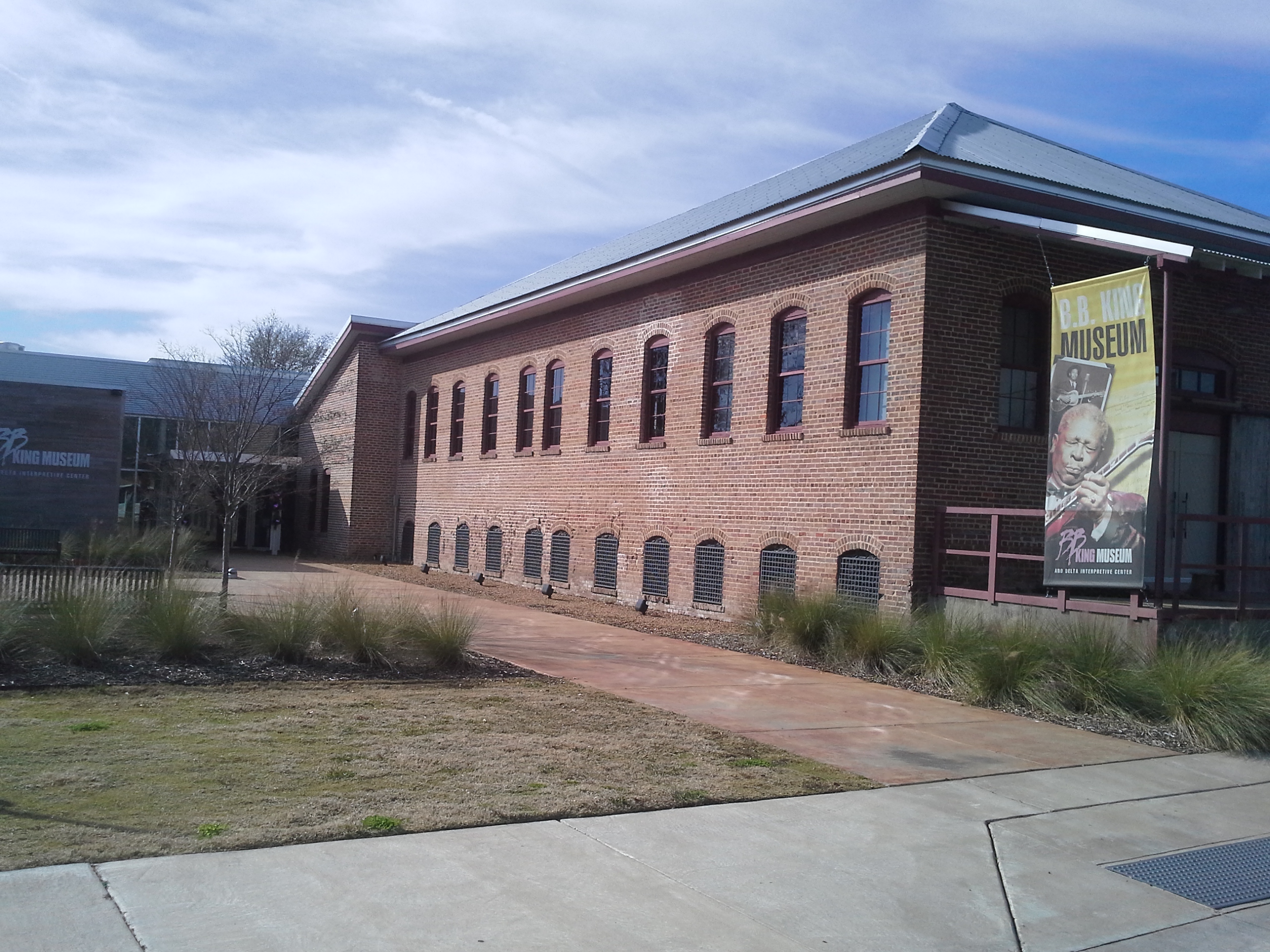
The B.B. King Museum and Delta Interpretive Center, located in Indianola, Mississippi, is an institution dedicated to preserving and celebrating the rich legacy of the Delta blues, with a particular focus on its most iconic figure, B.B. King. The museum serves as a vital cultural hub, offering immersive exhibits that explore the history of blues music, its profound impact on American culture, and the socio-economic conditions of the Mississippi Delta that birthed this influential genre. Beyond King's personal story, the center delves into the broader narrative of African American life and struggle in the region, utilizing interactive displays, archival materials, and multimedia presentations to bring the past to life. It stands as a testament to the enduring power of music as a form of expression, resistance, and community building, attracting visitors from around the globe who seek to understand the roots of modern popular music.
🎵 Origins & History
The genesis of the B.B. King Museum and Delta Interpretive Center can be traced back to the vision of B.B. King himself, who desired a space to honor the music and the people who shaped his life and career. The center's location in Indianola, Mississippi, was a deliberate choice, as it was King's childhood home and the place where he first learned to play guitar. The museum's opening aimed to be more than just a repository of artifacts but a dynamic space for education and cultural exchange. The project was a collaborative effort involving the B.B. King Museum Foundation, the state of Mississippi, and numerous private donors, all united by a passion for preserving the Delta blues heritage.
⚙️ How It Works
The museum operates as a multifaceted cultural institution, blending historical exhibition with contemporary relevance. Its core function is to interpret the history and cultural significance of the Delta blues through a series of permanent and rotating exhibits. These exhibits utilize a range of media, including audio-visual displays, interactive touchscreens, historical photographs, personal memorabilia from B.B. King's life, and artifacts related to other blues musicians. The center also functions as an educational resource, offering programs for school groups, workshops on blues music, and lectures by historians and musicians. Furthermore, it serves as a venue for live performances, hosting local and touring artists, thereby continuing the tradition of live blues music in the Delta. The interpretive approach emphasizes the social and economic context of the blues, connecting the music to the broader African American experience in the Mississippi Delta.
📊 Key Facts & Numbers
The B.B. King Museum and Delta Interpretive Center is a significant cultural institution in the region. B.B. King's iconic 1968 Gibson ES-355, affectionately named "Lucille," is among the artifacts housed there. The museum's endowment aims to ensure its long-term sustainability, with ongoing operational costs supported by admissions, gift shop sales, and continued fundraising efforts. Its economic impact on Indianola and the surrounding Mississippi Delta region is estimated to be in the millions of dollars annually through tourism.
👥 Key People & Organizations
The driving force behind the museum is the B.B. King Museum Foundation, a non-profit organization established to oversee the museum's operations, collections, and educational programming. Key figures instrumental in its creation include the late B.B. King himself, who served as a visionary and advocate, and former Mississippi Governor Haley Barbour, who championed state support for the project. Executive Director Carla D. Smith has been a long-standing leader, guiding the museum's development and outreach. The museum also collaborates with various historical societies, music archives, and educational institutions, such as the University of Mississippi's Center for the Study of Southern Culture, to enrich its research and programming. Numerous blues artists and historians have also contributed their expertise and personal stories to the museum's exhibits and events.
🌍 Cultural Impact & Influence
The museum's cultural impact extends far beyond its physical location in Mississippi. It serves as a crucial anchor for the preservation of the Delta Blues genre, a foundational element of American popular music, influencing countless genres from rock and roll to R&B and hip hop. By contextualizing the blues within the broader narrative of African American history and the Great Migration, the museum offers a powerful lens through which to understand American social and cultural development. It has become a pilgrimage site for music enthusiasts worldwide, fostering a deeper appreciation for the artistry and resilience of blues musicians. The museum's educational initiatives also play a vital role in ensuring that future generations understand the historical and cultural significance of this uniquely American art form, solidifying the Delta blues' place in the global cultural consciousness.
⚡ Current State & Latest Developments
In recent years, the B.B. King Museum has continued to evolve its programming and exhibits. The museum actively engages with contemporary artists and musicians to explore the ongoing relevance of the blues, often featuring modern interpretations of the genre. Digital initiatives, including virtual tours and online collections, have expanded its reach to a global audience, particularly during periods of limited physical access. The museum is also involved in ongoing efforts to digitize its archives, making more of its vast collection accessible for research and public viewing. Plans are frequently discussed for new temporary exhibits that highlight different facets of blues history and its connections to other musical traditions.
🤔 Controversies & Debates
While the museum is widely celebrated, discussions occasionally arise regarding the representation of the broader blues community beyond B.B. King himself. Some critics and historians argue for more extensive coverage of other pivotal blues figures who, while perhaps less globally famous, were equally crucial to the genre's development. There are also ongoing conversations about how best to interpret the complex and often painful history of race relations in the Mississippi Delta, ensuring that the narrative is both historically accurate and sensitive. Ensuring equitable representation and acknowledging the contributions of all artists, regardless of their fame or background, remains a continuous effort for institutions like the B.B. King Museum. The economic sustainability of such cultural centers in rural areas also presents a perennial challenge, requiring constant innovation in fundraising and visitor engagement.
🔮 Future Outlook & Predictions
The future of the B.B. King Museum and Delta Interpretive Center appears robust, with a continued commitment to its mission of preservation and education. Projections suggest an increase in digital engagement, with enhanced virtual reality experiences and online educational modules becoming more prominent. The museum is likely to expand its focus on the global influence of the blues, exploring its impact on music scenes in Europe, Asia, and South America. There's also potential for increased collaboration with other cultural institutions and music festivals worldwide to broaden its reach and impact. As the understanding of cultural heritage evolves, the museum may also incorporate more interactive elements that allow visitors to actively participate in the creation or understanding of music, moving beyond passive observation to a more dynamic engagement with the blues.
💡 Practical Applications
The B.B. King Museum and Delta Interpretive Center serves as a powerful model for how cultural institutions can preserve and promote regional heritage. Its approach to interpreting the Delta Blues offers a blueprint for understanding how music is intertwined with social history, economic conditions, and racial dynamics. For aspiring musicians and musicologists, the museum provides an invaluable resource for studying the origins and evolution of blues music, offering insights into the techniques, styles, and cultural context that defined the genre. The museum's educational programs also demonstrate practical applications for teaching history and culture through the arts, showing how engaging narratives can foster deeper learning. Furthermore, its
Key Facts
- Category
- culture
- Type
- topic