
Contents
Overview
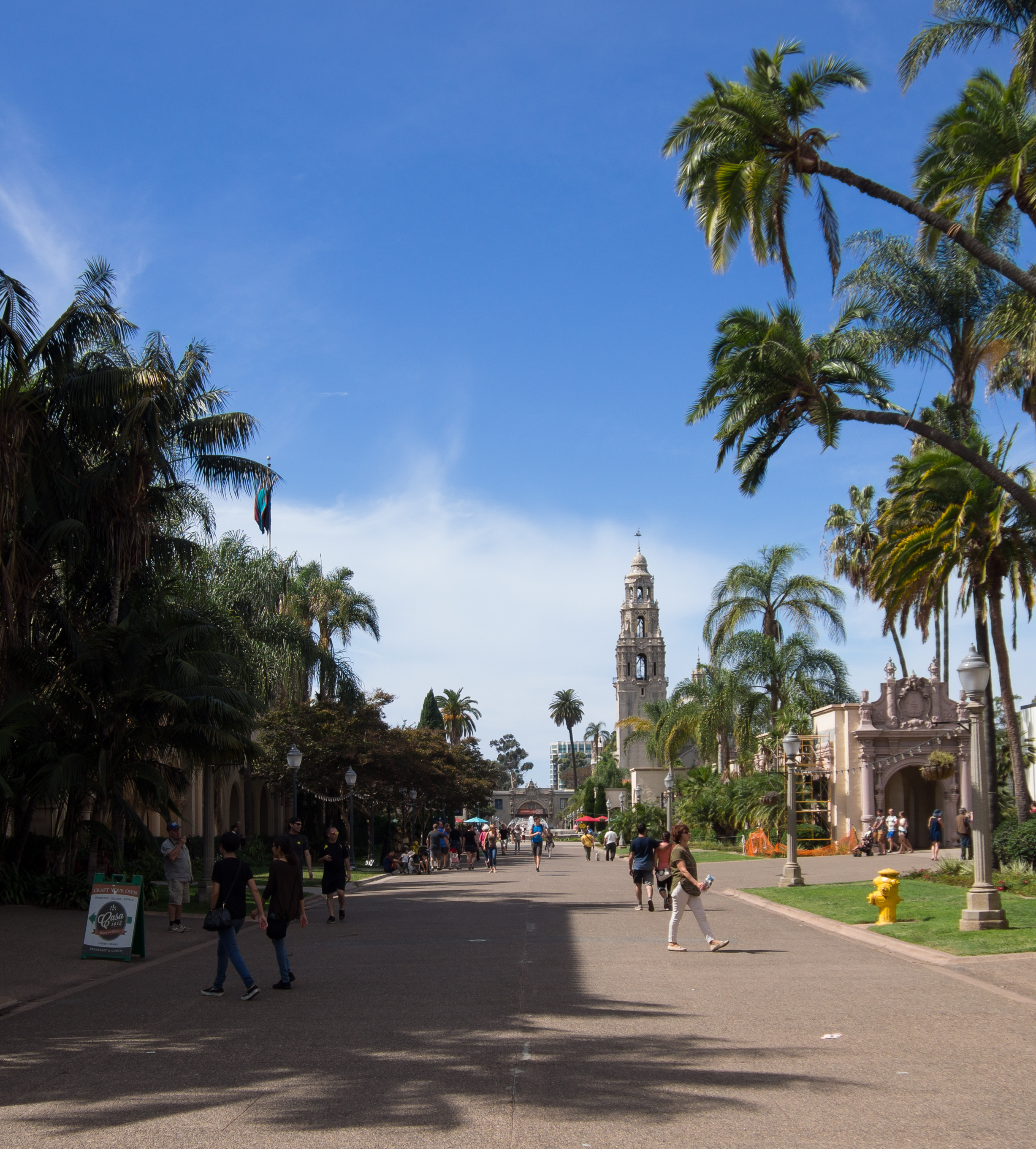
The genesis of Balboa Park traces back to 1868 when the San Diego City Council designated over 1,400 acres for public use, a visionary act that predates many major urban parks. Initially known as "City Park," its transformation into a cultural mecca was dramatically accelerated by the planning and construction for the 1915–16 Panama–California Exposition. Architect Crampton Weber and landscape architect Samuel Parsons Jr. were instrumental in shaping its early aesthetic, laying the groundwork for the Spanish Colonial Revival style that defines much of the park today. The subsequent 1935–36 California Pacific International Exposition further cemented this architectural identity and added more structures, solidifying its status as a landmark destination. Its designation as a National Historic Landmark District in 1977 recognized the collective significance of its historic buildings and landscape.
⚙️ Architectural & Landscape Design
The park's design is a masterful blend of formal gardens and monumental architecture, largely dictated by the Spanish Colonial Revival style championed for the expositions. Landscape architect Samuel Parsons Jr.'s original vision emphasized grand promenades and open spaces, which were later realized and enhanced by architects like Bartholomew Johnson and William Templeton Johnson. Key features include the iconic Plaza de Panama, the serene Lily Pond, and the Alcazar Garden, all designed to evoke a sense of historical grandeur and provide tranquil retreats. The careful integration of horticulture and architecture creates a cohesive and immersive experience, making the park itself a living museum of landscape and architectural design.
📊 Key Facts & Numbers
Balboa Park encompasses a staggering 1,200 acres, making it one of the largest urban cultural parks in North America. It hosts over 17 museums, including the San Diego Museum of Art and the Fleet Science Center, attracting an estimated 14 million visitors annually. The park features more than 850 acres of natural landscape and over 100 acres of cultivated gardens. Its operating budget relies on a mix of city funding, grants, and earned revenue, with the Balboa Park Cultural Partnership playing a vital role in its stewardship. The park's infrastructure includes over 10 miles of walking trails and 10 major performance venues.
👥 Key Institutions & Organizations
The stewardship of Balboa Park is a collaborative effort, primarily managed by the City of San Diego's Parks and Recreation Department. However, the Balboa Park Cultural Partnership (BPCP) is a crucial entity, representing over 30 independent cultural and recreational organizations within the park. This partnership, established in 2000, aims to coordinate programming, marketing, and operational strategies to enhance the visitor experience and ensure the park's long-term vitality. Key institutions include the Old Globe Theatre, the Museum of Us, and the Japanese Friendship Garden, each contributing to the park's diverse offerings.
🌍 Cultural Impact & Influence
Balboa Park has profoundly shaped San Diego's cultural identity and served as a model for urban park development nationwide. The expositions held within its grounds not only left a lasting architectural legacy but also established a precedent for large-scale public events that foster civic pride and tourism. Its diverse array of museums and cultural institutions provides accessible educational and artistic experiences for millions, influencing local arts patronage and educational curricula. The park's enduring appeal has also made it a significant driver of tourism for the city, contributing an estimated $2 billion annually to the local economy, according to some reports.
⚡ Current State & Latest Developments
In recent years, Balboa Park has focused on enhancing accessibility and sustainability. The city has invested in infrastructure upgrades, including improved pathways and public transportation access, to better serve its growing visitor base. The BPCP continues to spearhead initiatives for collaborative programming and marketing, aiming to create a more unified and engaging visitor experience across the park's diverse institutions. Efforts are also underway to address aging infrastructure and preserve the historic architecture, ensuring the park's legacy for future generations. The ongoing development of the 'Park for All People' initiative seeks to further diversify programming and community engagement.
🤔 Controversies & Debates
The management and development of Balboa Park have not been without contention. Debates have historically swirled around the allocation of space and resources among the various institutions, as well as the balance between public access and private events. The role and influence of the Balboa Park Cultural Partnership have also been subjects of discussion, with some advocating for greater direct city control and others supporting the partnership's collaborative model. Furthermore, the ongoing need for significant capital investment to maintain and upgrade the park's historic structures presents a perennial challenge, often sparking debate over funding priorities and the best use of public funds.
🔮 Future Outlook & Predictions
The future of Balboa Park hinges on its ability to adapt to evolving visitor expectations while preserving its historical integrity. Continued investment in infrastructure, technology, and programming will be crucial. The 'Park for All People' initiative, if fully realized, could redefine the park's relationship with the broader San Diego community, fostering greater inclusivity and relevance. Experts predict a continued focus on digital engagement, interactive exhibits, and sustainable practices to attract and retain visitors in an increasingly competitive cultural landscape. The potential for new museum developments or expansions also remains a possibility, further diversifying the park's offerings.
💡 Practical Applications
Balboa Park serves as a multifaceted platform for education, recreation, and community engagement. Its museums offer specialized learning opportunities, from art history at the San Diego Museum of Art to scientific discovery at the Fleet Science Center. The park's extensive grounds provide ample space for outdoor recreation, including walking, picnicking, and enjoying its numerous gardens. It also functions as a premier venue for cultural events, festivals, and performances, hosting thousands of public gatherings annually. For tourists, it's a primary destination, offering a concentrated dose of San Diego's cultural and historical attractions.
Key Facts
- Category
- place
- Type
- place