
Contents
Overview
The concept of biometric security has been around for decades, with early adopters like the FBI using fingerprint analysis to identify criminals. However, it wasn't until the advent of modern technologies like machine learning and artificial intelligence, developed by companies like NVIDIA and Intel, that biometric security began to gain mainstream traction. Today, biometric security is used in a wide range of applications, from Apple's Face ID and Touch ID to Microsoft's Windows Hello, which uses facial recognition and fingerprint scanning to secure devices. Experts like Andrew Ng and Fei-Fei Li have played a crucial role in advancing the field of biometric security, with applications in industries like finance, healthcare, and government, where companies like IBM and Accenture are leading the charge.
🔒 How It Works
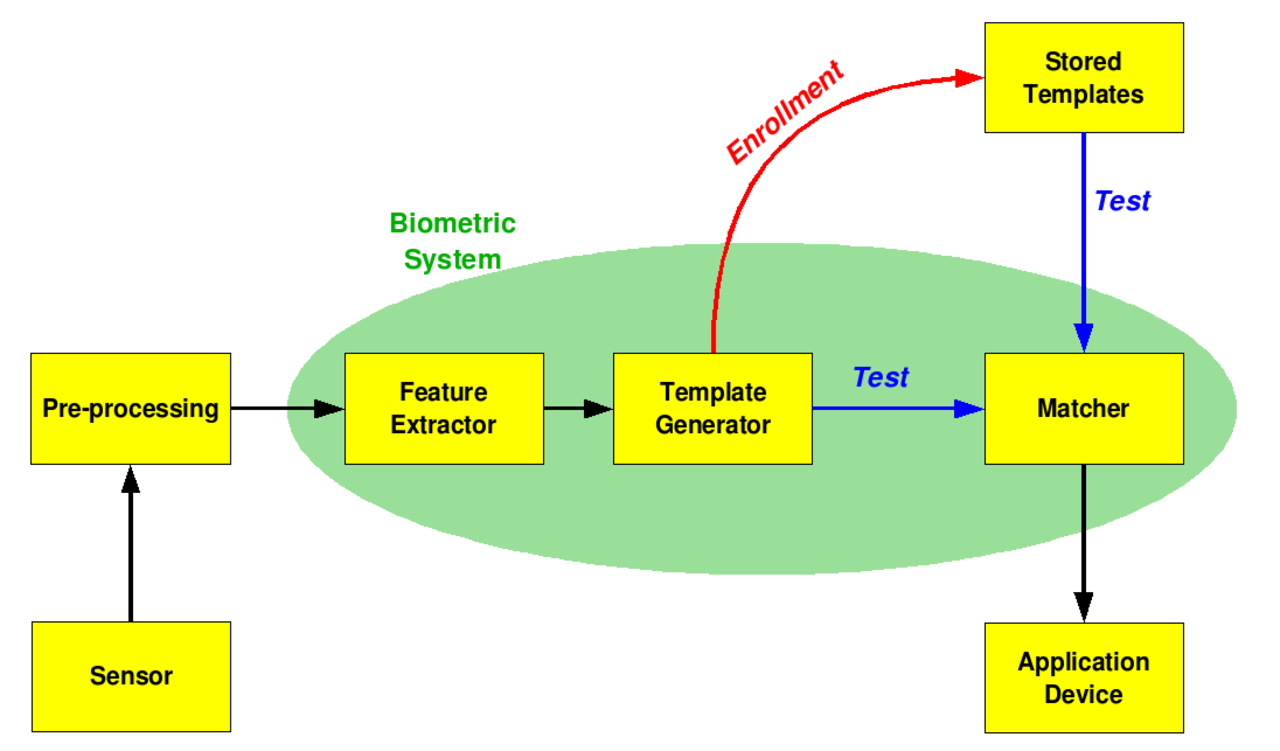
Biometric security works by using specialized sensors and software to capture and analyze unique physical or behavioral characteristics, such as fingerprints, facial features, or voice patterns. This data is then compared to a stored template or database to verify an individual's identity, using algorithms developed by companies like Amazon and Google. For example, a fingerprint scanner like those used in Samsung's Galaxy series or a facial recognition system like Facebook's DeepFace can be used to unlock a device or grant access to a secure area. However, as highlighted by researchers like Joy Buolamwini and Timnit Gebru, biometric security is not without its risks and challenges, including concerns around privacy, surveillance, and bias, which are being addressed by organizations like the Electronic Frontier Foundation and the ACLU.
🌐 Cultural Impact
The cultural impact of biometric security has been significant, with many people embracing the convenience and security it offers. For example, a survey by Pew Research found that 62% of Americans are comfortable using biometric security to authenticate their identity, with companies like Mastercard and Visa leading the charge in the payments industry. However, as biometric security becomes more widespread, it also raises important questions about the potential for misuse, such as mass surveillance or identity theft, which are being debated by experts like Shoshana Zuboff and Cathy O'Neil. As companies like Palantir and Clearview AI continue to push the boundaries of biometric security, it's essential to consider the potential risks and benefits, and to develop regulations and safeguards to protect individual rights and freedoms, as advocated by organizations like the EFF and the ACLU.
🔮 Legacy & Future
As biometric security continues to evolve, it's likely to play an increasingly important role in shaping the future of authentication and security. With the rise of emerging technologies like quantum computing, developed by companies like IBM and Google, and the Internet of Things (IoT), biometric security may become even more ubiquitous and sophisticated, with applications in industries like healthcare, finance, and transportation, where companies like Philips and Siemens are leading the charge. However, as we move forward, it's essential to prioritize transparency, accountability, and security, and to ensure that biometric security is developed and deployed in ways that respect individual rights and freedoms, as highlighted by experts like Bruce Schneier and Danielle Citron.
Key Facts
- Year
- 2010
- Origin
- Global
- Category
- technology
- Type
- concept
Frequently Asked Questions
What is biometric security?
Biometric security refers to the use of unique physical or behavioral characteristics to authenticate individuals and secure sensitive information.
How does biometric security work?
Biometric security works by using specialized sensors and software to capture and analyze unique physical or behavioral characteristics, such as fingerprints, facial features, or voice patterns.
What are the benefits of biometric security?
The benefits of biometric security include convenience, security, and ease of use, as well as the potential to reduce identity theft and other forms of cybercrime.
What are the risks and challenges of biometric security?
The risks and challenges of biometric security include concerns around privacy, surveillance, and bias, as well as the potential for misuse or exploitation.
Who are the key players in the biometric security industry?
The key players in the biometric security industry include companies like Apple, Microsoft, and Google, as well as experts and researchers like Andrew Ng and Fei-Fei Li.