
Contents
- ♋️ What Exactly Is Cancer?
- 🔬 The Cellular Engine of Cancer
- 🌍 Global Cancer Landscape: A Stark Reality
- 💡 Key Cancer Debates & Controversies
- 🧬 Genetic Predisposition vs. Environmental Triggers
- 🚀 The Future of Cancer Treatment
- 🤔 Navigating Cancer Information: Vibepedia's Role
- 🌟 Understanding Cancer's Vibe Score
- Frequently Asked Questions
- Related Topics
Overview
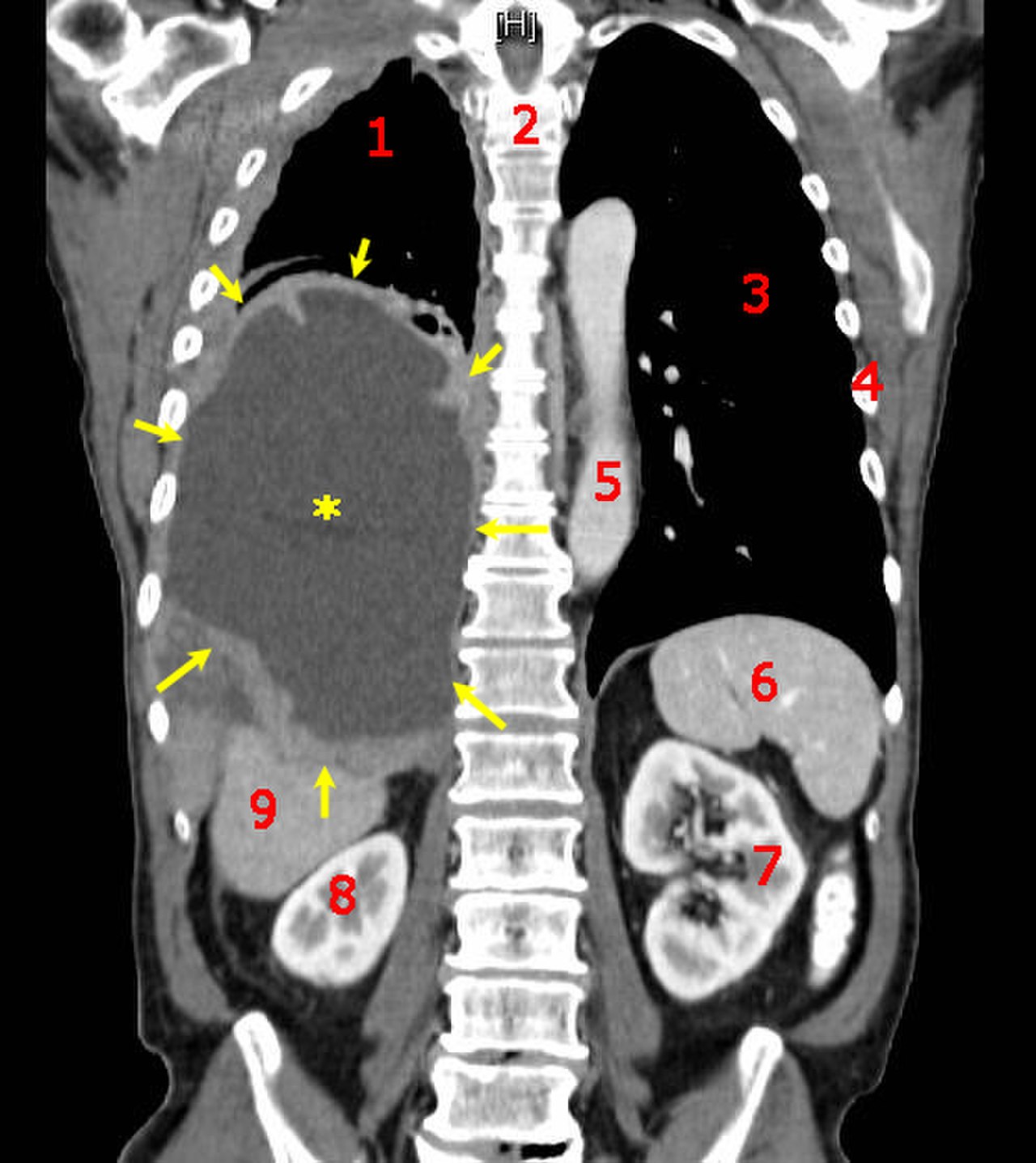
Cancer, at its most fundamental, is a disease characterized by the uncontrolled proliferation of cells. These rogue cells disregard the body's normal regulatory mechanisms, forming masses known as tumors. The critical distinction lies in malignancy: malignant tumors possess the capacity to invade surrounding tissues and metastasize, spreading cancerous cells to distant organs via the bloodstream or lymphatic system. This invasive potential is what defines cancer as a life-threatening condition, differentiating it from benign growths that remain localized. Over 100 distinct types of cancer have been identified, each with unique origins, behaviors, and treatment responses, underscoring the complexity of this disease.
🔬 The Cellular Engine of Cancer
The engine driving cancer is a series of genetic mutations that disrupt the cell cycle. Normally, cells divide, grow, and die in a highly regulated process. In cancer, mutations in genes that control cell growth (oncogenes) and tumor suppression (tumor suppressor genes) lead to this unchecked division. Think of it like a car with a faulty accelerator and no brakes. These genetic errors can be inherited or acquired through environmental exposures, such as exposure to cancer-causing agents like tobacco smoke or UV radiation. Understanding these fundamental cellular processes is crucial for developing targeted therapies.
🌍 Global Cancer Landscape: A Stark Reality
Globally, cancer remains a leading cause of mortality, with the WHO reporting millions of new cases and deaths annually. The burden of cancer is not evenly distributed, with significant disparities observed between high-income and low-income countries. Factors such as access to early detection, advanced medical care, and lifestyle differences contribute to these variations. In 2020 alone, an estimated 10 million deaths were attributed to cancer worldwide, highlighting the immense public health challenge it presents. The sheer scale of this issue demands continuous research and global cooperation.
💡 Key Cancer Debates & Controversies
The field of oncology is rife with debate, particularly concerning the optimal balance between cancer prevention methods and treatment modalities. One persistent controversy revolves around the extent to which lifestyle choices, rather than purely genetic factors, dictate cancer risk. Furthermore, the efficacy and potential side effects of various cancer treatment options, from chemotherapy to immunotherapy, are subjects of ongoing scientific scrutiny and public discussion. The debate over alternative and complementary cancer therapies also remains a contentious area, often pitting established medical consensus against patient-driven preferences.
🧬 Genetic Predisposition vs. Environmental Triggers
The interplay between inherited genetic predispositions and environmental factors in cancer development is a complex puzzle. While certain gene mutations, like those in BRCA1 and BRCA2, significantly increase the risk of breast and ovarian cancers, they account for only a fraction of all cases. The majority of cancers are believed to arise from a combination of genetic susceptibility and cumulative exposure to environmental carcinogens, such as environmental pollutants and certain dietary influences on health. Pinpointing the exact contribution of each factor remains a significant challenge in oncological research.
🚀 The Future of Cancer Treatment
The future of cancer treatment is rapidly evolving, moving towards more personalized and less toxic approaches. harnessing the body's immune system to fight cancer has shown remarkable success in certain cancers, offering hope for durable remissions. tailoring treatments based on an individual's genetic makeup and the specific molecular profile of their tumor is becoming increasingly common. Advances in diagnostic imaging and biomarkers also promise to catch cancers at their earliest, most treatable stages, potentially transforming survival rates and quality of life for millions.
🌟 Understanding Cancer's Vibe Score
Cancer's Vibe Score on Vibepedia is a dynamic metric reflecting its pervasive cultural energy, scientific intensity, and societal impact. Currently, Cancer registers a high Vibe Score, driven by its status as a leading global health concern, the immense scientific effort dedicated to understanding and combating it, and its profound emotional resonance within communities worldwide. This high score is a testament to the ongoing cancer advocacy and awareness movements, the relentless pursuit of innovative cancer therapies, and the collective human experience of confronting this disease. The score fluctuates as significant breakthroughs occur or as public focus shifts, indicating its living, evolving nature within the global consciousness.
Key Facts
- Year
- 2023
- Origin
- Vibepedia.wiki
- Category
- Health & Biology
- Type
- Topic
Frequently Asked Questions
What is the difference between a benign and malignant tumor?
A benign tumor is a non-cancerous growth that does not invade surrounding tissues or spread to other parts of the body. Malignant tumors, on the other hand, are cancerous; they have the ability to invade nearby tissues and metastasize, meaning they can spread to distant parts of the body through the bloodstream or lymphatic system. This invasive and spreading capability is the defining characteristic of malignancy and what makes cancer so dangerous.
Can cancer be inherited?
Yes, some cancers can be inherited. Certain genetic mutations, such as those in the BRCA1 and BRCA2 genes, are passed down through families and significantly increase the risk of developing specific cancers, like breast, ovarian, and prostate cancers. However, inherited mutations account for only about 5-10% of all cancers. The majority of cancers are sporadic, meaning they arise from genetic mutations acquired during a person's lifetime due to environmental factors or random errors in cell division.
What are the most common types of cancer?
The most common types of cancer globally, based on new cases, typically include lung cancer, breast cancer, colorectal cancer, prostate cancer, and stomach cancer. However, the prevalence can vary significantly by region, sex, and age group. For example, lung cancer is a leading cause of cancer death worldwide, while breast cancer is the most commonly diagnosed cancer among women in many countries. Understanding these patterns is crucial for public health initiatives and resource allocation.
How is cancer diagnosed?
Cancer diagnosis involves a combination of methods. Medical history and physical examinations are initial steps. Imaging techniques like X-rays, CT scans, MRIs, and PET scans help visualize tumors. Blood tests can detect specific substances associated with cancer. The definitive diagnosis, however, usually requires a biopsy, where a sample of suspicious tissue is removed and examined under a microscope by a specialist in diagnosing diseases. Genetic testing may also be performed on tumor cells to guide treatment.
What is the role of lifestyle in cancer risk?
Lifestyle plays a significant role in cancer risk. Factors like smoking, excessive alcohol consumption, poor diet (low in fruits and vegetables, high in processed foods), lack of physical activity, obesity, and unprotected exposure to UV radiation are all linked to an increased risk of developing various cancers. Conversely, adopting a healthy lifestyle, including regular exercise, a balanced diet, maintaining a healthy weight, and avoiding tobacco, can significantly reduce cancer risk. These cancer prevention strategies are vital components of public health.