
Contents
Overview
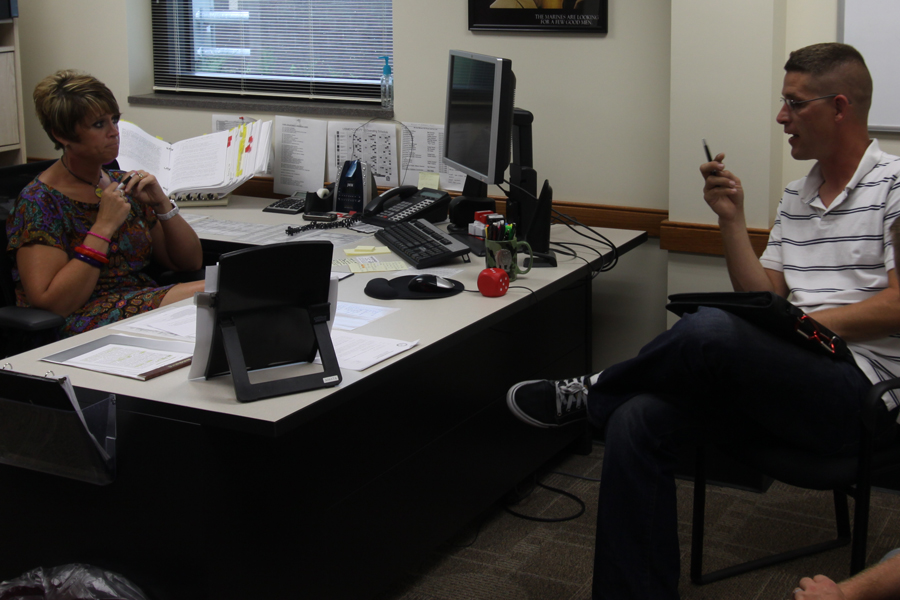
Career counseling services are professional interventions designed to guide individuals through the complexities of their work lives, encompassing everything from initial career exploration and choice-making to managing transitions and fostering lifelong professional development. These services, delivered through one-on-one sessions or group workshops, blend expert advice with counseling techniques to empower clients in making significant decisions and overcoming career-related challenges. While definitions vary globally due to cultural and linguistic nuances, the core function remains consistent: providing structured support for an individual's journey through education, work, and life changes. The field draws parallels with other counseling disciplines, emphasizing the counselor's role in facilitating client autonomy and resilience in the face of career uncertainty. In an era of rapid economic shifts and evolving job markets, the demand for such personalized guidance has never been more pronounced, with an estimated global market value projected to reach billions.
🎵 Origins & History
The roots of career counseling can be traced back to the early 20th century, emerging from the vocational guidance movement in response to the industrial revolution's demand for skilled labor and the need to match individuals with suitable occupations. Frank Parsons' work is detailed in "Choosing a Vocation," laying the groundwork for systematic approaches to career choice. The field expanded significantly during and after World Wars I and II, with governments investing in programs to help returning soldiers reintegrate into the workforce and navigate new industrial landscapes. The establishment of organizations like the National Career Development Association (NCDA) in 1913 (initially as the National Vocational Guidance Association) solidified its professional standing and fostered research and ethical standards. Trait-and-factor theory dominated the landscape, focusing on matching individual characteristics to job requirements.
⚙️ How It Works
Career counseling services operate through a structured, client-centered process. It typically begins with an initial assessment phase, where counselors utilize tools like Myers-Briggs Type Indicator (MBTI) assessments, Strong Interest Inventories, or CliftonStrengths assessments to help clients identify their interests, values, skills, and personality traits. This is followed by an exploration phase, where clients and counselors research potential career paths, industries, and educational opportunities that align with the assessment results. The decision-making phase involves weighing options, considering factors like work-life balance and salary expectations, and setting realistic goals. Finally, an implementation phase focuses on developing action plans, which may include resume writing, interview preparation, networking strategies, and job search techniques, often facilitated by platforms like LinkedIn.
📊 Key Facts & Numbers
The global career counseling market is substantial, with an estimated value of over $2 billion USD annually and projected to grow at a compound annual growth rate (CAGR) of approximately 5-7% over the next decade. In the United States alone, there are over 100,000 individuals employed in roles related to career counseling and guidance. A significant portion of university students, estimated at over 70% in many Western institutions, utilize career services during their academic careers. Furthermore, corporate outplacement services, a specialized form of career counseling for laid-off employees, represent a multi-million dollar industry, with major providers like Outplacement Services Inc. reporting significant client volumes. Online career counseling platforms have seen a surge, with some reporting over 500,000 active users in the past year.
👥 Key People & Organizations
Key figures in the development of career counseling include Frank Parsons, whose 1908 book "Choosing a Vocation" is a seminal work. John Holland developed the influential RIASEC model of vocational personalities and work environments, which underpins many assessment tools. Donald Super contributed significantly with his lifespan, life-space theory of career development. Prominent organizations shaping the field include the National Career Development Association (NCDA), the Career Development Association of Australia (CDAA), and the European Association for Career Counselling (EACC). In the corporate realm, companies like LinkUp Group and FlexJobs offer platforms and services that intersect with career guidance, while academic institutions like Harvard University offer graduate programs in counseling and human development.
🌍 Cultural Impact & Influence
Career counseling has profoundly influenced societal perceptions of work and personal fulfillment. It has shifted the narrative from simply "getting a job" to "building a career" and pursuing meaningful work. The widespread adoption of career services in educational institutions has normalized the idea of seeking guidance early in life, impacting educational choices and aspirations. In the media, portrayals of career counselors, while sometimes caricatured, reflect a growing public awareness of their role in navigating complex professional landscapes. The emphasis on transferable skills and lifelong learning, championed by career counselors, has become a cornerstone of modern workforce development strategies, influencing government policy and corporate training initiatives. The rise of the "gig economy" and remote work, heavily discussed and advised upon by counselors, further illustrates this pervasive influence.
⚡ Current State & Latest Developments
The current landscape of career counseling is marked by rapid technological integration and a growing emphasis on specialized niches. Online platforms and AI-driven tools are increasingly used for assessments, job matching, and even virtual coaching sessions, exemplified by services like BetterUp and Brazen. There's a notable rise in specialized counseling, focusing on areas like tech careers, creative industries, and executive coaching. The COVID-19 pandemic accelerated the adoption of remote counseling, making services more accessible globally. Furthermore, there's a growing focus on diversity, equity, and inclusion (DEI) within career services, with counselors addressing systemic barriers and advocating for equitable opportunities. The concept of "career resilience" has gained traction, with counselors helping clients adapt to frequent job market shifts and unexpected career disruptions.
🤔 Controversies & Debates
A significant controversy revolves around the efficacy and standardization of career counseling. Critics question the scientific validity of some popular assessment tools, arguing they can be overly simplistic or culturally biased, potentially leading clients down suboptimal paths. The debate over whether career counseling is a distinct profession or an adjunct to psychology or human resources continues, with varying credentialing standards across different regions and professional bodies. Another point of contention is the accessibility and cost of quality career counseling, with concerns that it remains a luxury service for those who can afford it, exacerbating existing socioeconomic disparities in career advancement. The ethical implications of using AI in career guidance, particularly regarding data privacy and algorithmic bias, are also subjects of ongoing debate among practitioners and ethicists.
🔮 Future Outlook & Predictions
The future of career counseling is poised for significant evolution, driven by advancements in artificial intelligence, data analytics, and a deeper understanding of human behavior in the workplace. AI-powered platforms are expected to offer more personalized and predictive career pathing, identifying emerging job trends and skill gaps with greater accuracy. We may see a shift towards more proactive, continuous career development support rather than episodic interventions. The role of the human counselor is likely to become more focused on complex emotional support, ethical guidance, and fostering critical thinking skills that AI cannot replicate. There's also a growing anticipation for increased integration with mental health services, recognizing the strong link between career satisfaction and overall well-being. Projections suggest the market will continue its upward trajectory, potentially doubling in value by 2035.
💡 Practical Applications
Career counseling services have a wide array of practical applications across various sectors. In educational institutions, they are crucial for helping students choose majors, plan for internships, and prepare for post-graduation employment, often managed by university career centers li
Key Facts
- Category
- culture
- Type
- topic