
Contents
- 🎵 Origins & History
- ⚙️ How It Works
- 📊 Key Facts & Numbers
- 👥 Key People & Organizations
- 🌍 Cultural Impact & Influence
- ⚡ Current State & Latest Developments
- 🤔 Controversies & Debates
- 🔮 Future Outlook & Predictions
- 💡 Practical Applications
- 📚 Related Topics & Deeper Reading
- Frequently Asked Questions
- References
- Related Topics
Overview
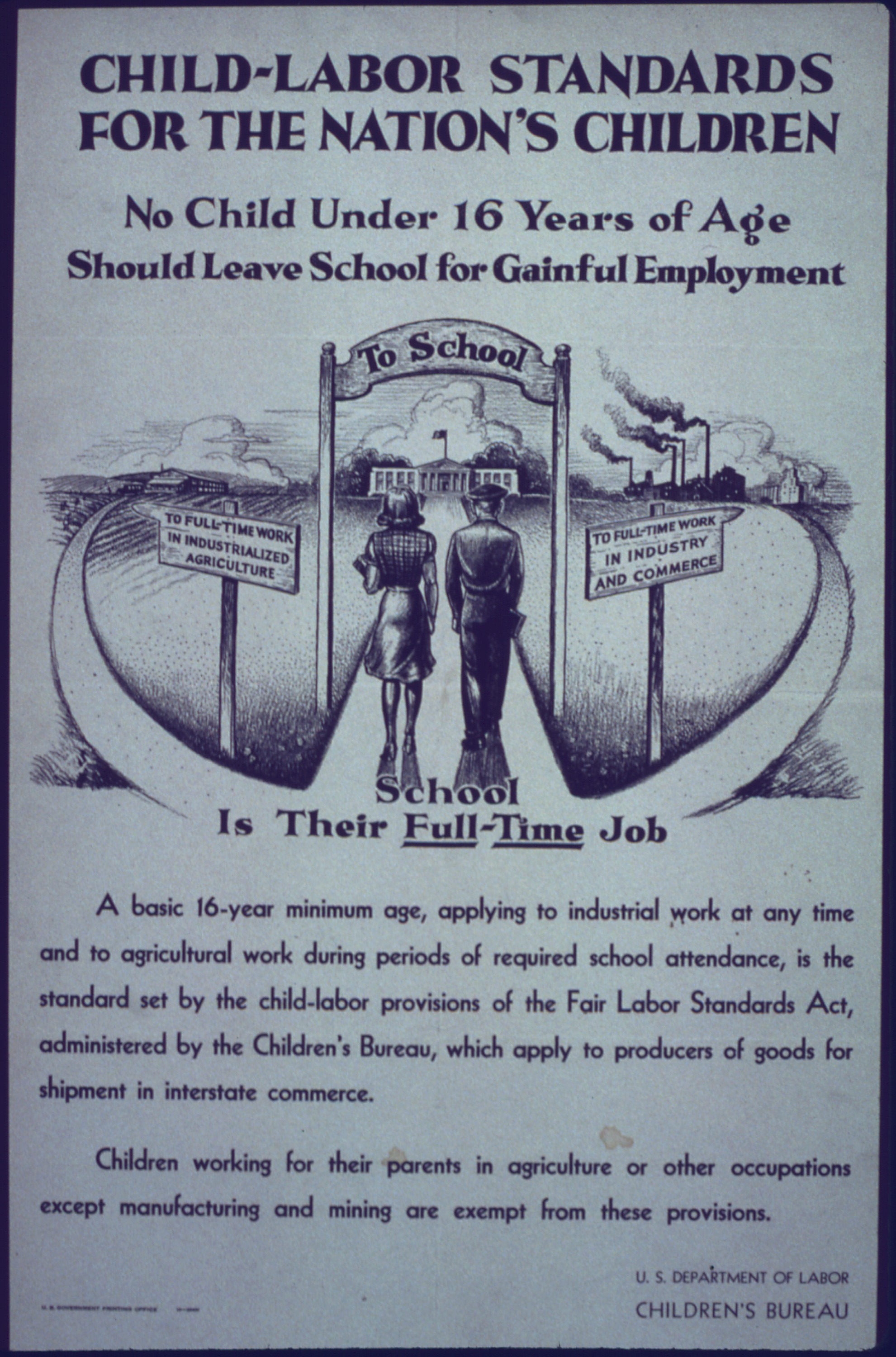
Child labor laws are statutes designed to protect children from exploitation in the workplace, ensuring they are not subjected to dangerous conditions, excessive hours, or work that interferes with their education and development. These laws typically set minimum ages for employment, restrict the types of jobs children can perform, and limit the hours they can work. Historically, widespread child labor was a hallmark of the Industrial Revolution, leading to significant social reform movements and the eventual establishment of comprehensive legal protections in many nations. The Fair Labor Standards Act (FLSA) in the U.S., for instance, remains a cornerstone of federal child labor regulation, prohibiting oppressive child labor and setting specific standards for minors. While significant progress has been made globally, child labor persists in various forms, particularly in developing countries and informal sectors, prompting ongoing international efforts by organizations like the International Labour Organization (ILO) to combat its prevalence.
🎵 Origins & History
The historical roots of child labor laws are deeply entwined with the societal upheaval of the Industrial Revolution. As factories proliferated in the 18th and 19th centuries, children, often as young as five or six, were employed in grueling and hazardous conditions for meager wages. Reformers like Lewis Hine, a photographer whose stark images exposed the brutal realities of child labor in American mines and factories, and Florence Kelley, a tireless advocate who lobbied for state and federal legislation, spearheaded movements demanding change. Early legislative attempts in countries like the UK and the U.S. were often piecemeal and poorly enforced, facing staunch opposition from industrialists who benefited from cheap labor. Landmark legislation, such as the Factory Acts in Britain beginning in 1833 and the National Child Labor Committee's persistent advocacy in the U.S., gradually chipped away at the practice, culminating in more comprehensive federal laws.
⚙️ How It Works
Child labor laws function through a multi-tiered regulatory approach, often involving both national and sub-national legislation. At the federal level in the U.S., the Fair Labor Standards Act (FLSA) establishes a baseline for minimum age, maximum hours, and hazardous occupation prohibitions. For instance, it generally prohibits employment of children under 14, sets 14 and 15 as minimum ages for non-agricultural work with strict hour limitations, and allows 16- and 17-year-olds to work in most non-hazardous jobs without hour restrictions. Many states have their own laws that may be more stringent than federal requirements, necessitating compliance with the stricter standard. Enforcement is typically carried out by government labor departments, which investigate complaints, conduct audits, and impose penalties for violations, often involving fines and back wages.
📊 Key Facts & Numbers
Globally, an estimated 160 million children were engaged in child labor by the end of 2020, according to the International Labour Organization (ILO) and UNICEF. Of these, 79 million were in hazardous work, a significant increase of 6.5 million since 2016. Agriculture accounts for the largest share, employing approximately 70% of child laborers worldwide. The economic cost of child labor is also substantial; the International Labour Organization (ILO) estimated in 2015 that the global economy loses at least 2.2 trillion annually due to child labor, equivalent to 4% of global GDP. In the U.S., the U.S. Department of Labor's Wage and Hour Division investigated over 10,000 child labor cases in fiscal year 2023, finding violations in more than 50% of them.
👥 Key People & Organizations
Key figures in the fight against child labor include Lewis Hine, whose powerful photography in the early 20th century brought the issue to public attention in the U.S.. Florence Kelley was a pivotal figure in advocating for legislative reform, serving as the first general secretary of the National Consumers League. Internationally, the International Labour Organization (ILO), founded in 1919, has been instrumental in setting global labor standards, including conventions against child labor. Organizations like Save the Children and UNICEF continue to work on the ground to combat child labor and support affected children and families. In the U.S. Congress, figures like Robert F. Kennedy championed child labor reform efforts during the 1960s.
🌍 Cultural Impact & Influence
The existence and enforcement of child labor laws have profoundly shaped societal norms and expectations regarding childhood and education. The shift from widespread child employment to mandatory schooling in many developed nations reflects the success of these legal frameworks. Culturally, the image of the child laborer, once a common sight, has become a symbol of exploitation and injustice, fueling public awareness campaigns and advocacy. The laws have also influenced media portrayals, from Charles Dickens's novels depicting the plight of child workers in Victorian England to modern documentaries and news reports. The ongoing struggle to eradicate child labor continues to influence international relations and trade policies, with some countries linking trade agreements to labor standards.
⚡ Current State & Latest Developments
Despite significant global progress, child labor remains a persistent challenge, exacerbated by poverty, conflict, and migration. The International Labour Organization (ILO) reported in 2023 that the number of children in child labor had risen for the first time in two decades. In the U.S., recent years have seen an increase in reported child labor violations, particularly in sectors like agriculture and food processing, leading to renewed calls for stricter enforcement and legislative updates. The rise of the gig economy and informal work also presents new challenges for regulation and oversight. International bodies like the International Labour Organization (ILO) are pushing for renewed commitment to the Sustainable Development Goals' target 8.7, aiming to end child labor in all its forms by 2025, though this goal is increasingly unlikely to be met.
🤔 Controversies & Debates
The debate surrounding child labor laws often centers on enforcement, the definition of 'harmful' work, and the balance between protection and economic opportunity. Critics sometimes argue that overly strict laws can push children into more dangerous, unregulated work or prevent them from contributing to family income in impoverished regions. The International Labour Organization (ILO) and other advocates counter that any form of child labor deprives children of their rights and hinders long-term development. Another point of contention is the role of cultural context versus universal standards; while some practices may be traditional, they can still be exploitative. The effectiveness of penalties for violations and the adequacy of resources allocated for enforcement are also subjects of ongoing discussion, particularly in light of recent upticks in violations in countries like the U.S..
🔮 Future Outlook & Predictions
The future of child labor laws will likely involve adapting to new economic realities, such as the gig economy and global supply chains. Increased use of technology, including AI and blockchain, may offer new tools for monitoring and verifying labor conditions, potentially aiding in the detection of child labor. International cooperation will remain crucial, with organizations like the International Labour Organization (ILO) continuing to push for stronger global norms and enforcement mechanisms. There's also a growing focus on addressing the root causes of child labor, including poverty, lack of access to education, and gender inequality. Projections suggest that without significant intervention, the progress made in reducing child labor could be reversed, making legislative adaptation and robust enforcement more critical than ever.
💡 Practical Applications
Child labor laws have direct practical applications in various sectors. For employers, they dictate hiring practices for minors, including age verification, work hour limitations, and prohibitions on hazardous tasks. For parents and guardians, these laws provide a framework for understanding their children's rights and protections in the workplace. Educational institutions rely on these laws to ensure that student work does not interfere with academic pursuits. Labor inspectors and enforcement agencies use these laws to investigate potential violations and hold employers accountable. Furthermore, international trade agreements increasingly incorporate clauses related to labor standards, making compliance with child labor laws a factor in global commerce and supply chain management for companies like Nike and Apple.
Key Facts
- Year
- 19th-21st Century
- Origin
- Global (with significant legislative development in the UK and U.S.)
- Category
- law
- Type
- concept
Frequently Asked Questions
What is the primary goal of child labor laws?
The primary goal of child labor laws is to protect children from exploitation, abuse, and hazardous working conditions that could harm their physical or mental development. These laws aim to ensure that children have the opportunity to receive an education and enjoy a healthy childhood, rather than being forced into labor that compromises their well-being and future prospects. They typically set minimum ages for employment, restrict the types of jobs minors can perform, and limit the number of hours they can work, especially during school days.
How did the Industrial Revolution influence the creation of child labor laws?
The Industrial Revolution, beginning in the late 18th century, saw a massive increase in the employment of children in factories and mines due to the demand for cheap labor. Children as young as five or six worked long hours in dangerous conditions for very low wages. This widespread exploitation, documented by reformers and photographers like Lewis Hine, sparked public outcry and fueled the social reform movements that eventually led to the passage of early child labor laws in countries like the UK and the U.S., starting in the mid-19th century.
What are the key provisions of the Fair Labor Standards Act (FLSA) regarding child labor in the U.S.?
The Fair Labor Standards Act (FLSA) in the U.S. sets federal standards for child labor. Generally, it prohibits oppressive child labor for minors under 18. For non-agricultural jobs, children aged 14 and 15 have strict limits on hours and types of work, and cannot work during school hours. Those aged 16 and 17 can work unlimited hours in non-hazardous jobs. The law also specifies numerous occupations deemed too dangerous for minors under 18, such as operating power-driven machinery or working with explosives.
What is the current global status of child labor, and what organizations are addressing it?
Despite decades of effort, child labor remains a significant global issue. The International Labour Organization (ILO) and UNICEF reported in 2020 that approximately 160 million children worldwide were engaged in child labor, with a concerning increase in recent years. The majority are in agriculture. Organizations like the International Labour Organization (ILO), Save the Children, and UNICEF are at the forefront of combating child labor through advocacy, policy development, and direct intervention programs aimed at removing children from work and providing them with education and support.
Are there any controversies or debates surrounding child labor laws?
Yes, debates persist regarding the enforcement of child labor laws, especially in developing countries where poverty may drive families to rely on children's income. Some argue that overly strict regulations can push children into more dangerous, unregulated 'underground' work or prevent them from acquiring valuable skills. There's also discussion about how to adapt laws to new forms of work, like the gig economy, and the balance between protecting children and respecting cultural practices that may involve young people in family enterprises. The International Labour Organization (ILO) continually works to find solutions that prioritize child welfare while considering economic realities.
How do child labor laws affect businesses and employers?
Child labor laws impose specific obligations on employers who hire minors. They must verify the age of their young employees, adhere to strict limits on working hours (especially during school terms), and ensure that minors are not assigned to hazardous occupations. Failure to comply can result in significant penalties, including fines, back wages, and reputational damage. Many businesses, especially those with global supply chains, implement internal policies and conduct audits to ensure compliance with both national and international child labor standards, often guided by frameworks from organizations like the International Labour Organization (ILO).
What is the outlook for child labor laws and their enforcement in the coming years?
The outlook suggests a continued focus on strengthening child labor laws and their enforcement, particularly in light of recent increases in global child labor figures. Expect greater emphasis on addressing root causes like poverty and lack of education, and adapting regulations to emerging work environments like the gig economy. International cooperation through bodies like the International Labour Organization (ILO) will remain critical, alongside technological advancements in monitoring supply chains. The push to meet Sustainable Development Goal 8.7 by 2030 will drive further legislative and programmatic efforts worldwide.