
Contents
Overview
Established in 1881, the Cincinnati Art Museum stands as a pioneering institution, notably the first purpose-built art museum west of the Allegheny Mountains and one of the oldest in the United States. Its expansive collection, boasting over 67,000 works, spans an impressive 6,000 years of human history, making it a cornerstone of artistic heritage in the Midwest. Originally housed in a Romanesque-revival building designed by James W. McLaughlin and opened in 1886, the museum has undergone numerous expansions and renovations. A significant addition, the Cincinnati Wing, opened in 2003 to showcase art created for or by Cincinnati artists since 1788. The museum's enduring presence and comprehensive collection solidify its role as a vital cultural anchor in Ohio.
🎵 Origins & History
The genesis of the Cincinnati Art Museum traces back to 1881, a period of burgeoning civic pride and cultural ambition in the Queen City. Founders debated museum locations in Burnet Woods, Eden Park, and Washington Park downtown. Ultimately, the decisive vote of major early donor Charles West secured Eden Park as the museum's permanent home. This strategic choice positioned the institution within a burgeoning cultural district, setting a precedent for public art institutions in rapidly developing American cities. The museum's inception marked a significant moment, establishing a dedicated space for artistic appreciation and preservation west of the established East Coast cultural centers.
⚙️ Architectural Evolution
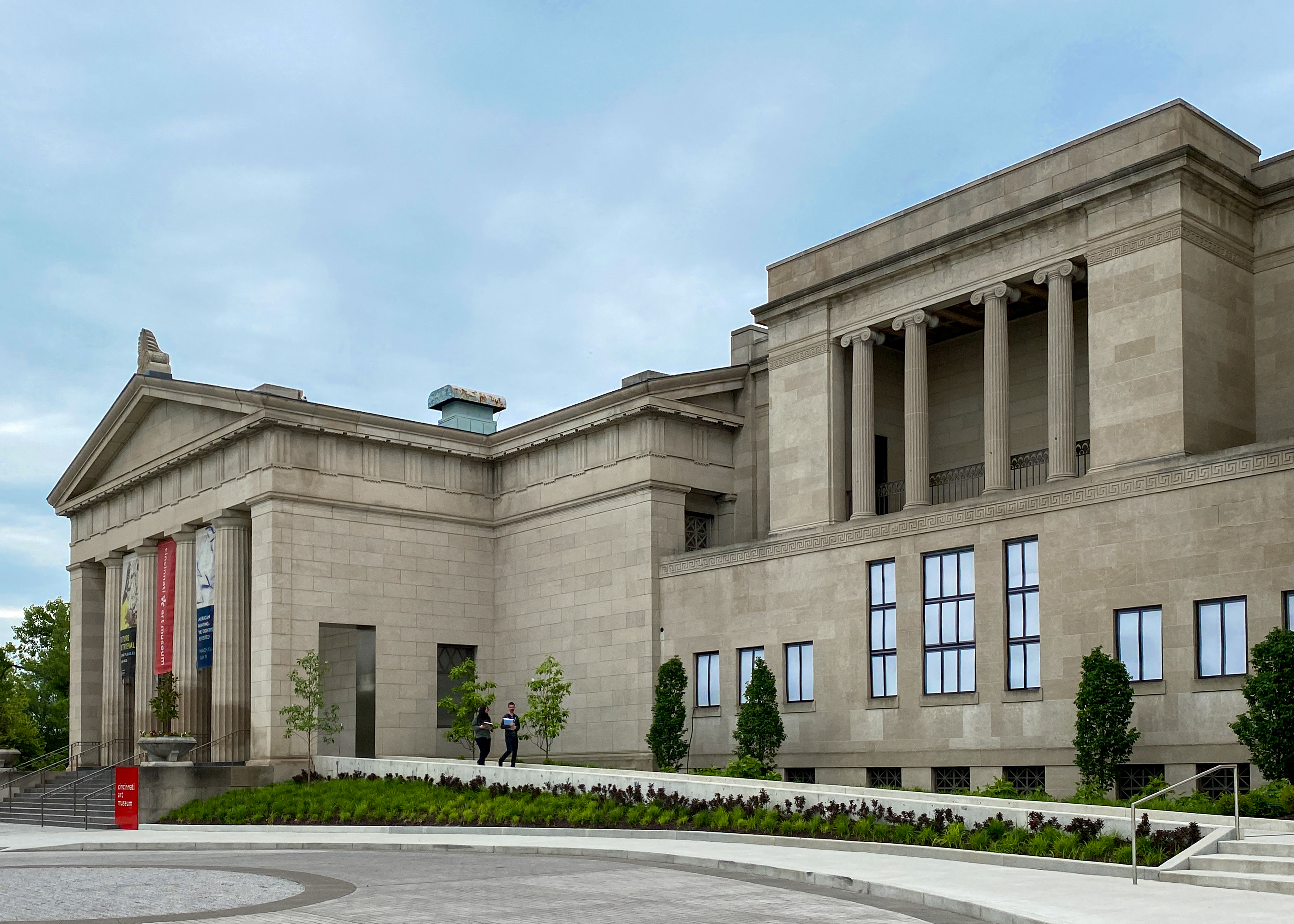
The museum's physical structure is a narrative of continuous adaptation. The original Romanesque-revival edifice, designed by James W. McLaughlin, opened its doors in 1886, a stately testament to late 19th-century architectural sensibilities. Over its history, the building has been a canvas for architectural evolution, with a series of additions and renovations significantly altering its form and function. The most notable recent expansion, the Cincinnati Wing, completed in 2003, was specifically designed to house permanent exhibits celebrating art with deep ties to the city and its artists, demonstrating a commitment to local heritage within a globally-minded institution.
📊 Collection Scope & Scale
The Cincinnati Art Museum houses an astonishing collection of over 67,000 objects, representing a remarkable breadth of human creativity across 6,000 years. This comprehensive scope positions it as one of the most significant art repositories in the Midwest. The holdings encompass diverse media, from ancient Egyptian artifacts and European Old Masters paintings to contemporary installations and decorative arts. The museum's commitment to global representation is evident, with significant holdings in areas such as Islamic art, Asian art, and African art, providing visitors with a rich and varied visual dialogue across cultures and epochs. The sheer volume and diversity of the collection underscore its importance as a resource for scholarship and public engagement.
👥 Key Figures & Founding
The vision for the Cincinnati Art Museum was shaped by a collective of civic leaders and philanthropists. While Charles West provided crucial early financial backing, the museum's establishment involved numerous influential figures from Cincinnati's prominent families. James W. McLaughlin, the architect of the original building, played a pivotal role in defining its initial aesthetic. The ongoing stewardship and development of the museum's collection and facilities have been guided by successive directors and boards, each contributing to its evolving narrative and ensuring its relevance in the contemporary art world. The museum's leadership has consistently sought to balance historical preservation with forward-looking programming.
🌍 Midwestern Cultural Hub
As one of the oldest and most comprehensive art museums in the Midwest, the Cincinnati Art Museum functions as a vital cultural anchor for the region. Its extensive collection and diverse exhibition schedule attract visitors from across Ohio, Kentucky, and Indiana, fostering a shared appreciation for art and history. The museum's role extends beyond mere exhibition; it serves as an educational resource for schools and universities, offering programs that engage students with artistic concepts and historical contexts. By providing access to a world-class collection, the museum enriches the cultural landscape of Cincinnati and contributes significantly to the broader artistic discourse in the United States.
⚡ Recent Developments & Exhibitions
In recent years, the Cincinnati Art Museum has continued to evolve its programming and exhibitions to remain relevant to contemporary audiences. The museum has hosted significant traveling exhibitions, such as "Frank Duveneck: American Master" and "Common Ground: Faith, Politics, and Photography." Furthermore, it has actively worked to diversify its collection through strategic acquisitions and deaccessions, reflecting a growing awareness of inclusivity and representation in art historical narratives. The museum's digital presence has also expanded, offering virtual tours and online collections to broaden access beyond physical visitors, especially crucial during periods of public health concern like the COVID-19 pandemic.
🤔 Debates on Collection & Access
The museum's collection development and exhibition choices are not without scrutiny. Debates often arise regarding the acquisition of certain artworks, the deaccessioning of pieces to fund new purchases, and the representation of diverse voices within its curatorial narratives. For instance, discussions around the provenance of artifacts and the ethical implications of collecting from certain regions are ongoing within the museum community. Furthermore, questions about accessibility, particularly for underserved communities, and the balance between blockbuster exhibitions and the display of its permanent collection frequently surface in public discourse.
🔮 Future Trajectory
Looking ahead, the Cincinnati Art Museum is poised to continue its legacy as a leading cultural institution. Future developments may include further architectural enhancements, the expansion of digital outreach initiatives, and a continued focus on diversifying its collection and programming to reflect a broader spectrum of human experience. The museum's strategic plan likely involves strengthening community partnerships, enhancing educational offerings, and exploring innovative ways to engage audiences with art in an increasingly digital and interconnected world. The challenge will be to adapt to evolving societal expectations while maintaining its core mission of preserving and presenting art.
💡 Educational & Community Role
Beyond its role as a repository of art, the Cincinnati Art Museum is a significant educational and community resource. It offers a wide array of programs for all ages, including guided tours, lectures, workshops, and family days. The museum collaborates with local schools, such as the University of Cincinnati and Xavier University, to provide learning opportunities and internships for students. Its commitment to community engagement is further demonstrated through outreach programs designed to bring art experiences to diverse neighborhoods and underserved populations, fostering a more inclusive and accessible art world.
Key Facts
- Category
- culture
- Type
- organization