
Contents
Overview
The scientific understanding of collagen production didn't emerge overnight; it's a narrative woven through decades of biochemical discovery. Early work in the late 19th and early 20th centuries began to characterize collagen as a distinct protein, with researchers like Albert Oser-Schmidt and Hans Kühn making significant contributions to its structural elucidation in the mid-20th century. By the 1970s and 1980s, the molecular mechanisms of collagen synthesis were being unraveled, with key insights into the roles of procollagen precursors and the enzymes involved in post-translational modifications. E. H. Becker and colleagues contributed to understanding the intricate steps of collagen fibril formation. This foundational research, building upon decades of work by numerous biochemists and cell biologists, laid the groundwork for modern investigations into collagen's role in health and disease.
⚙️ How It Works
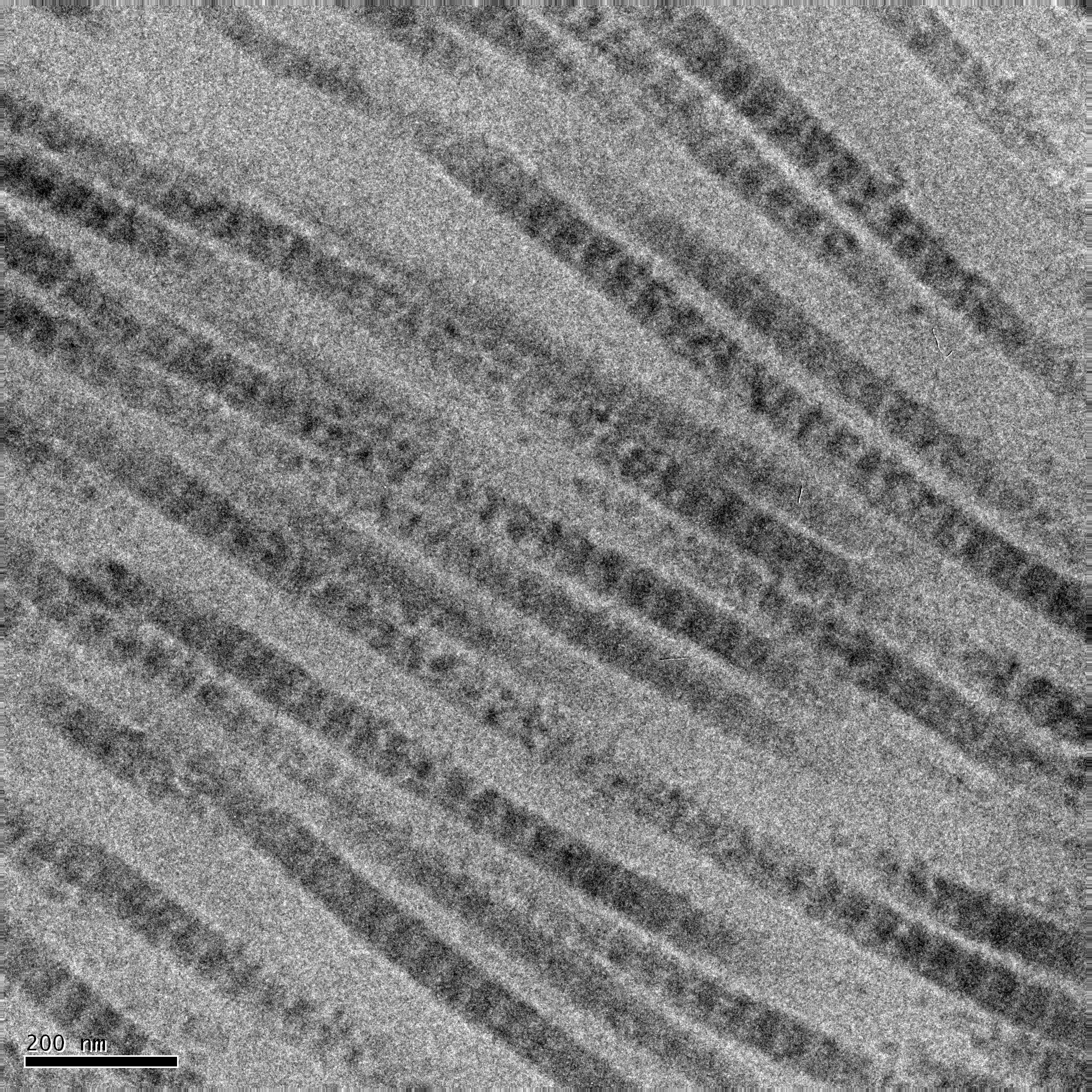
Collagen production is a highly regulated, multi-step process initiated within specialized cells, most notably fibroblasts in connective tissues and osteoblasts in bone. The process begins with the transcription of collagen genes into messenger RNA (mRNA), which is then translated into polypeptide chains known as procollagen. These chains undergo crucial post-translational modifications, including hydroxylation of proline and lysine residues and glycosylation. These modified chains then assemble into triple helix structures, forming tropocollagen molecules. Tropocollagen is secreted from the cell and undergoes further processing by enzymes like collagenase to form collagen fibrils, which then aggregate and cross-link, often facilitated by lysyl oxidase, to create robust collagen fibers that provide structural integrity. This entire cascade is tightly controlled by intracellular signaling pathways and extracellular cues, ensuring the right type and amount of collagen are produced where and when needed.
📊 Key Facts & Numbers
Osteoporosis, a condition characterized by reduced bone density, is directly linked to diminished collagen production and quality in bone tissue. The visible effects of declining collagen production—wrinkles, sagging skin, and joint pain—have fueled a massive anti-aging industry. Studies suggest that inadequate vitamin C intake can impair collagen synthesis.
👥 Key People & Organizations
Key figures in understanding collagen production include Albert Oser-Schmidt, whose early work in the 1930s helped define collagen's chemical properties, and Hans Kühn, a German biochemist who made seminal contributions to determining collagen's primary structure and sequence in the 1960s and 70s. More recently, researchers like Paul Benya at Stanford University have explored the molecular mechanisms of collagen gene regulation and fibrillogenesis. Organizations such as the National Institutes of Health (NIH) fund extensive research into connective tissue disorders and aging, while companies like Neocell and Vital Proteins are major players in the commercialization of collagen supplements, driving market innovation and consumer awareness.
🌍 Cultural Impact & Influence
Collagen's ubiquitous presence means its production and degradation are central to countless biological functions and cultural perceptions of health and beauty. The visible effects of declining collagen production—wrinkles and sagging skin—have fueled a massive anti-aging industry, influencing beauty standards and the cosmetic market for decades. The concept of 'beauty from within' often centers on boosting collagen, making it a staple in dietary supplements and skincare routines promoted by influencers and dermatologists alike. Beyond aesthetics, the role of collagen in wound healing has profound implications, with medical professionals constantly seeking ways to optimize collagen synthesis for faster and more effective tissue repair, impacting everything from surgical recovery to the management of chronic wounds. The cultural narrative around collagen production is thus a blend of scientific endeavor and societal aspirations for youthfulness and physical resilience.
⚡ Current State & Latest Developments
Current research is intensely focused on understanding the nuanced regulation of collagen synthesis and degradation, particularly in the context of aging and disease. Advances in genomic editing technologies like CRISPR are enabling scientists to investigate the precise roles of specific collagen genes and regulatory elements. Pharmaceutical companies are developing novel therapeutic agents that target collagen pathways for conditions ranging from fibrosis to osteoarthritis. In the realm of aesthetics, new delivery systems for topical collagen boosters and advanced microneedling techniques aim to stimulate endogenous collagen production more effectively. The development of bio-engineered collagen scaffolds for tissue regeneration is also a rapidly advancing frontier, with clinical trials exploring their use in organ repair and reconstructive surgery.
🤔 Controversies & Debates
The debate surrounding collagen supplements is vigorous. While many consumers report positive effects on skin hydration and joint comfort, rigorous scientific evidence for the efficacy of ingested collagen peptides is still developing. Some critics argue that ingested collagen is simply broken down into amino acids during digestion, offering no specific benefit over a balanced protein intake. Others point to studies, often funded by supplement manufacturers, that suggest specific peptide formulations can indeed stimulate fibroblasts and increase collagen deposition in the skin and joints. Furthermore, the ethical sourcing of collagen, primarily from animal by-products like bovine hides and fish scales, raises questions for some consumers, leading to increased demand for plant-based or lab-grown alternatives. The precise mechanisms by which oral collagen impacts cellular activity remain a subject of ongoing scientific scrutiny.
🔮 Future Outlook & Predictions
The future of collagen production research points towards highly personalized interventions. Advances in biotechnology may lead to the development of 'designer' collagen peptides tailored to an individual's specific genetic makeup and physiological needs, optimizing their effects for skin health, joint repair, or even organ regeneration. Lab-grown collagen, produced via synthetic biology or cell culture, could offer a sustainable and ethically sourced alternative to animal-derived collagen, potentially revolutionizing industries from cosmetics to food. Furthermore, a deeper understanding of the interplay between collagen, the extracellular matrix, and cellular signaling could unlock novel therapeutic strategies for a wide range of age-related diseases and degenerative conditions, moving beyond symptom management to addressing root causes.
💡 Practical Applications
Collagen production is directly relevant to numerous practical applications. In cosmetic dermatology, treatments like laser therapy, chemical peels, and dermal fillers are designed to stimulate the skin's natural collagen production or supplement existing levels to reduce wrinkles and improve skin texture. In orthopedics, collagen-based scaffolds are being investigated and used to aid in the repair of damaged cartilage and ligaments, aiming
Key Facts
- Category
- science
- Type
- topic