
Contents
- 🎵 Origins & History
- ⚙️ How It Works
- 📊 Key Facts & Numbers
- 👥 Key People & Organizations
- 🌍 Cultural Impact & Influence
- ⚡ Current State & Latest Developments
- 🤔 Controversies & Debates
- 🔮 Future Outlook & Predictions
- 💡 Practical Applications
- 📚 Related Topics & Deeper Reading
- Frequently Asked Questions
- References
- Related Topics
Overview
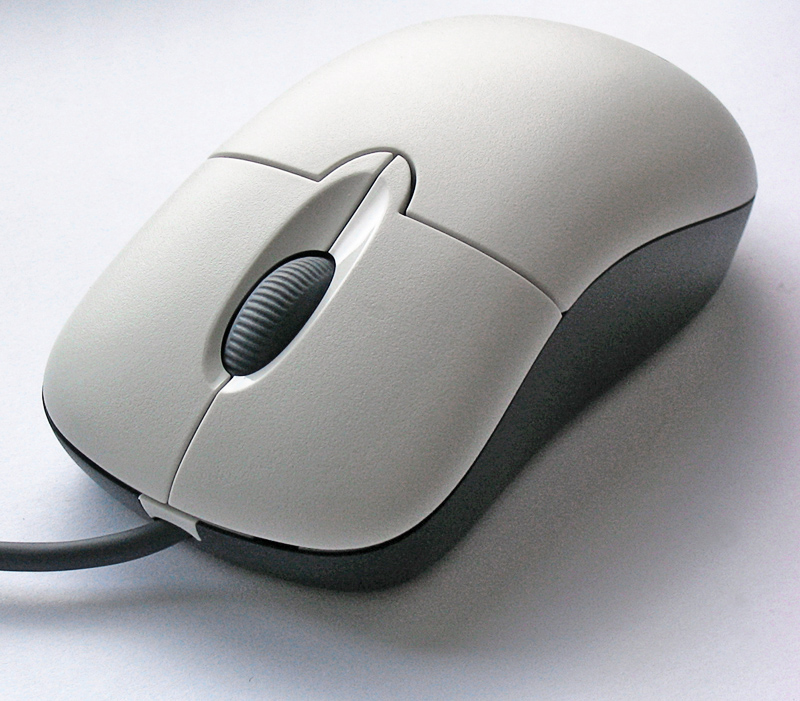
The computer mouse is a hand-held pointing device that detects two-dimensional motion relative to a surface, allowing for smooth control of a computer's graphical user interface. The mouse has evolved from using wheels and balls to optical movement detection with no moving parts. The mouse has also had a significant cultural impact, enabling users to interact with computers in a more intuitive and efficient way. The mouse has inspired numerous artistic and design interpretations.
🎵 Origins & History
The computer mouse works by detecting motion relative to a surface, which is typically translated into the motion of a pointer (called a cursor) on a display. Most modern mice use optical movement detection with no moving parts, which provides high accuracy and reliability. The mouse also features buttons, which allow users to interact with the computer in various ways, such as clicking, dragging, and scrolling.
⚙️ How It Works
The Apple Macintosh computer featured a mouse as a standard input device. The mouse has also had a significant cultural impact, enabling users to interact with computers in a more intuitive and efficient way.
📊 Key Facts & Numbers
The mouse has inspired numerous artistic and design interpretations. Many modern mice feature advanced technologies like high-precision optical sensors, customizable buttons, and ergonomic design.
👥 Key People & Organizations
The mouse has become a ubiquitous symbol of modern computing, with many people using mice as a standard input device.
🌍 Cultural Impact & Influence
The current state of the computer mouse industry is characterized by ongoing innovations in areas like wireless connectivity, gesture recognition, and augmented reality. Many modern mice feature advanced technologies like optical movement detection, ergonomic design, and customizable buttons.
⚡ Current State & Latest Developments
Despite its widespread adoption, the computer mouse has also been the subject of controversy and debate. Some critics argue that the mouse can be a source of repetitive strain injury (RSI), while others argue that the mouse is an essential tool for people with disabilities.
🤔 Controversies & Debates
The future outlook for the computer mouse is likely to involve ongoing innovations in areas like gesture recognition, augmented reality, and artificial intelligence.
🔮 Future Outlook & Predictions
The computer mouse has numerous practical applications in areas like gaming, graphic design, and video editing. Many modern mice feature advanced technologies like high-precision optical sensors, customizable buttons, and ergonomic design.
💡 Practical Applications
Related topics to the computer mouse include human-computer interaction, computer hardware, and input devices. The mouse has also inspired numerous artistic and design interpretations, such as the Mouse Computer Art project, which explores the creative potential of the mouse as a medium.
Key Facts
- Origin
- United States
- Category
- technology
- Type
- technology
Frequently Asked Questions
How does the computer mouse work?
The computer mouse works by detecting motion relative to a surface, which is typically translated into the motion of a pointer (called a cursor) on a display. Most modern mice use optical movement detection with no moving parts, which provides high accuracy and reliability.
What are the benefits of using a computer mouse?
The computer mouse has numerous benefits, including improved accuracy and enhanced user experience.