
Contents
Overview
Depressive disorders, a group of mental health conditions, are characterized by persistent feelings of sadness, loss of interest, and an inability to function normally. These disorders encompass a range of conditions, from the pervasive low mood of Major Depressive Disorder (MDD) to the cyclical mood swings of Bipolar Disorder and the chronic, milder form known as Dysthymia. Affecting an estimated 280 million people globally, depressive disorders are a leading cause of disability worldwide, imposing significant personal suffering and economic burdens. While the exact causes remain complex, involving genetic predispositions, biological factors, environmental stressors, and psychological traits, effective treatments including psychotherapy and pharmacotherapy offer pathways to recovery and improved quality of life. The ongoing research into neurobiology and novel therapeutic interventions continues to shape our understanding and management of these debilitating conditions.
🎵 Origins & History
The concept of profound sadness and melancholy has been documented across cultures and historical periods. For centuries, these states were often viewed through a philosophical or religious lens, with treatments ranging from bloodletting to prayer. The modern psychiatric understanding began to coalesce in the mid-20th century. The Diagnostic and Statistical Manual of Mental Disorders (DSM-III) was published in the 1980s, marking a significant shift towards a more biological and diagnostic framework, moving away from earlier, broader classifications of 'neurosis' or 'psychosis'.
⚙️ How It Works
Depressive disorders are complex conditions influenced by a confluence of biological, psychological, and social factors. Genetic predisposition plays a role, with individuals having a family history of depression being at higher risk. Psychological factors include negative thought patterns, low self-esteem, and maladaptive coping mechanisms, often explored in Cognitive Behavioral Therapy (CBT). Environmental stressors, such as trauma, loss, chronic illness, or significant life changes, can trigger or exacerbate depressive episodes. The interplay of these elements affects brain structure and function, particularly in regions associated with mood regulation, motivation, and reward processing.
📊 Key Facts & Numbers
Globally, an estimated 280 million people live with depression, making it a leading cause of disability worldwide. In the United States, approximately 8.4% of adults experienced at least one major depressive episode in the past year, according to the National Institute of Mental Health's 2022 data. The economic burden is substantial, with studies estimating the annual cost of depression in Europe to be around €76 billion due to lost productivity and healthcare expenses, as reported by the OECD. Treatment costs for depression in the US alone can exceed $200 billion annually when accounting for direct medical costs and lost earnings. The prevalence is higher in women, with females experiencing depression at roughly twice the rate of males, a disparity observed across many cultures.
👥 Key People & Organizations
Key figures in understanding and treating depressive disorders span psychiatry, psychology, and neuroscience. Aaron T. Beck (1921-2021) is considered the father of cognitive therapy, revolutionizing treatment by focusing on identifying and challenging negative thought patterns. Organizations like the American Psychiatric Association (publishers of the DSM) and the National Institute of Mental Health (NIMH) are pivotal in setting diagnostic criteria and funding research. Pharmaceutical companies such as Eli Lilly and Company and Janssen Pharmaceuticals have been instrumental in developing and marketing antidepressant medications like Prozac and Zoloft.
🌍 Cultural Impact & Influence
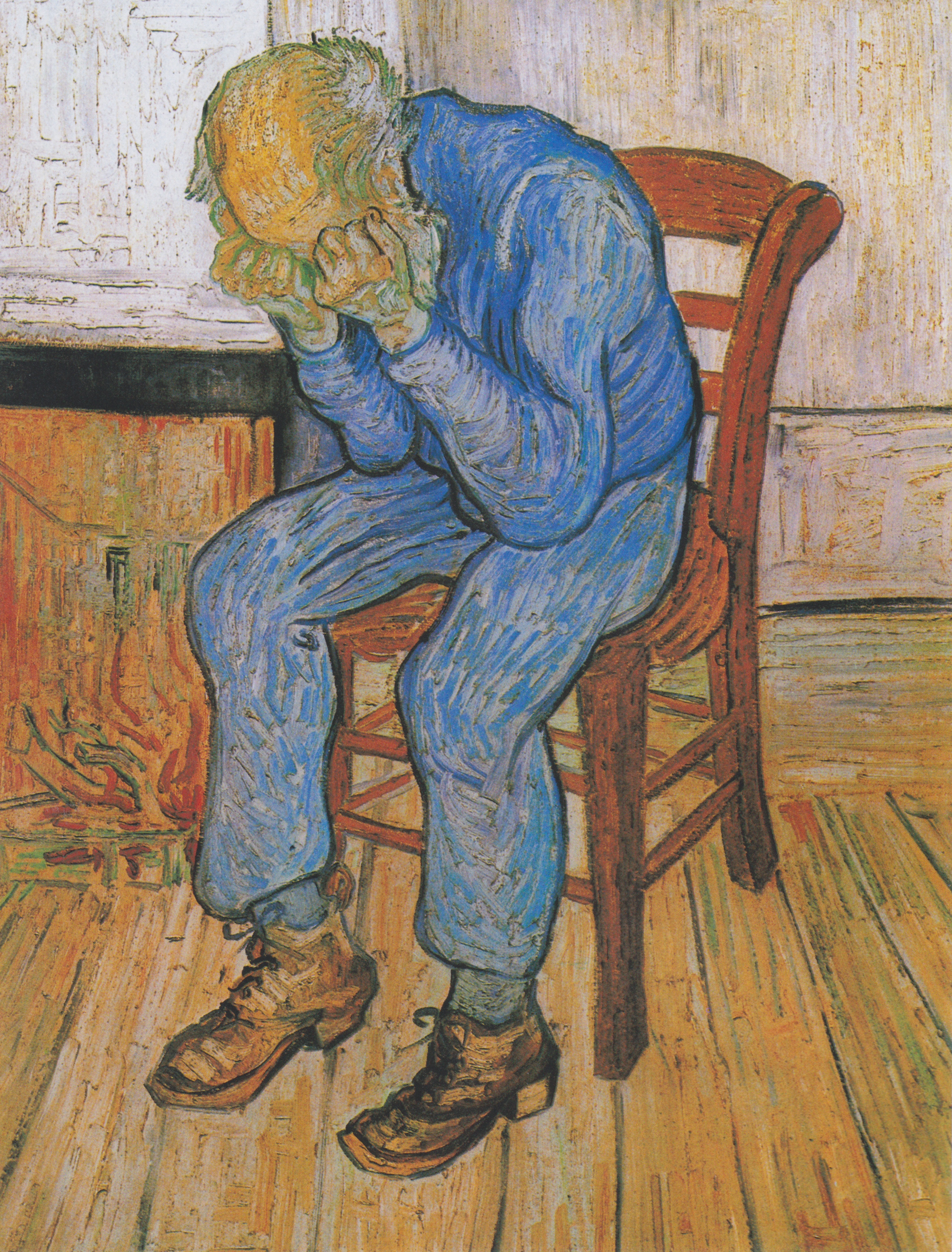
Depressive disorders have permeated global culture, influencing art, literature, music, and film. From the melancholic poetry of Lord Byron to introspective narratives in films, depictions of sadness and despair are common. The rise of social media platforms like Instagram and Twitter has also brought discussions about mental health into the public sphere, though sometimes contributing to comparison-driven anxieties. The stigmatization of mental illness, a long-standing cultural barrier, is gradually being challenged by public figures and advocacy groups who share their experiences, fostering greater awareness and encouraging help-seeking behaviors. Musical genres, from the blues to certain subgenres of indie rock, often explore themes of sorrow and introspection, resonating with listeners who experience similar emotions.
⚡ Current State & Latest Developments
Current research is rapidly advancing our understanding of depressive disorders. Novel pharmacological agents are being developed, and neuroimaging techniques are providing deeper insights into the neural circuits involved in depression, paving the way for more targeted treatments. Digital therapeutics and telehealth platforms are expanding access to mental healthcare, particularly in underserved areas. Companies like Axsome Therapeutics are developing new medications, such as AUVELITY® (dextromethorphan HBr and bupropion HCl) for agitation associated with dementia, highlighting the expanding scope of mood disorder treatments. The focus is increasingly on personalized medicine, tailoring treatments based on an individual's genetic profile and symptom presentation.
🤔 Controversies & Debates
A significant controversy surrounds the over-prescription of antidepressant medications, particularly SSRIs. Critics argue that these drugs are sometimes used as a first-line treatment without adequate consideration of psychotherapy or lifestyle interventions, and that their efficacy in mild to moderate depression is debated. The pharmaceutical industry's influence on research and clinical practice also faces scrutiny, with concerns about publication bias and the marketing of drugs. Furthermore, the diagnostic criteria themselves, as outlined in the DSM, are subject to debate, with some arguing they are too broad, leading to potential over-diagnosis or pathologizing normal human sadness. The distinction between normal grief and clinical depression remains a sensitive area.
🔮 Future Outlook & Predictions
The future of treating depressive disorders points towards greater personalization and integration of therapies. Advances in genomics and biomarkers are expected to enable more precise diagnosis and treatment selection, moving beyond a one-size-fits-all approach. The development of psychedelic-assisted therapies, particularly using psilocybin and MDMA, shows promise for treating severe depression and PTSD, though regulatory hurdles remain significant. Brain stimulation techniques, such as Transcranial Magnetic Stimulation (TMS) and Deep Brain Stimulation (DBS), are likely to become more refined and accessible. There's also a growing emphasis on preventative strategies, focusing on early intervention and building resilience through public health initiatives and accessible mental wellness programs.
💡 Practical Applications
Depressive disorders have numerous practical applications in healthcare and beyond. Psychotherapy, including CBT and interpersonal therapy, are widely used to help individuals manage symptoms and develop coping strategies. Pharmacological interventions, such as antidepressants, are crucial for many, while emerging treatments like ketamine infusions and psychedelic-assisted therapies are being explored for treatment-resistant cases. Understanding the neurobiological underpinnings also informs the development of new diagnostic tools and therapeutic targets. Public health campaigns aimed at reducing stigma and promoting mental wellness are also a critical application, encouraging early detection and intervention.
Key Facts
- Category
- science
- Type
- topic