
Contents
- 🏥 Introduction to Epidural Anesthesia
- 💉 History of Epidural Administration
- 🔍 Mechanism of Epidural Anesthesia
- 👨⚕️ Administration Techniques
- 💊 Medications Used in Epidural Anesthesia
- 📊 Benefits and Risks of Epidural Anesthesia
- 🤝 Comparison with Other Pain Management Options
- 🚑 Clinical Applications of Epidural Anesthesia
- 📚 Future Directions in Epidural Anesthesia Research
- 👥 Key Players in the Development of Epidural Anesthesia
- 📝 Conclusion and Recommendations
- Frequently Asked Questions
- Related Topics
Overview
Epidural anesthesia, first introduced in the 1940s by Italian physician Achille Mario Dogliotti, has become a cornerstone of modern pain management, with over 12 million procedures performed annually in the United States alone. This technique, which involves injecting anesthetic medication into the epidural space surrounding the spinal cord, has been shown to reduce post-operative pain by up to 70% and decrease the risk of respiratory complications by 30%. However, controversy surrounds the potential risks of epidural anesthesia, including nerve damage and respiratory depression, with some studies suggesting that the incidence of these complications may be as high as 1 in 2,000. Despite these risks, the use of epidural anesthesia continues to grow, with new research focusing on the development of more targeted and effective anesthetic agents, such as the use of liposomal bupivacaine, which has been shown to provide up to 72 hours of post-operative pain relief. As the field of anesthesiology continues to evolve, the role of epidural anesthesia is likely to expand, with potential applications in fields such as chronic pain management and palliative care. With a Vibe score of 82, epidural anesthesia is a topic of significant cultural energy, reflecting its impact on modern medicine and its potential to improve patient outcomes.
🏥 Introduction to Epidural Anesthesia
Epidural anesthesia is a type of regional anesthesia that involves injecting medication into the epidural space around the spinal cord. This technique is used to manage pain during various medical procedures, including Surgery and Childbirth. The use of epidural anesthesia has become increasingly popular due to its effectiveness in reducing pain and discomfort. According to Anesthesiology experts, epidural anesthesia is a safe and reliable method of pain management when administered by trained professionals. The History of Medicine has seen significant advancements in the field of anesthesiology, with epidural anesthesia being one of the most notable developments.
💉 History of Epidural Administration
The history of epidural administration dates back to 1921, when the Spanish Aragonese military surgeon Fidel Pagés first described the technique. Since then, epidural anesthesia has undergone significant developments, with improvements in Catheter Design and Anesthetic Agents. The use of epidural anesthesia has become a standard practice in many hospitals and medical institutions, with Nurse Anesthetists and physicians playing a crucial role in its administration. The Evolution of Anesthesia has been shaped by the contributions of many pioneers in the field, including John Snow and Crawford Long.
🔍 Mechanism of Epidural Anesthesia
The mechanism of epidural anesthesia involves the injection of medication into the epidural space, which surrounds the spinal cord. This space contains Fat Tissue and Blood Vessels, and the medication works by blocking the transmission of pain signals to the brain. The Pharmacology of epidural anesthesia is complex, involving the interaction of various Anesthetic Agents and Adjuvant Therapies. The use of Opioids and Local Anesthetics is common in epidural anesthesia, and the choice of medication depends on the specific medical procedure and the patient's condition. Pain Management is a critical aspect of epidural anesthesia, and healthcare professionals must carefully monitor patients to ensure effective pain relief.
👨⚕️ Administration Techniques
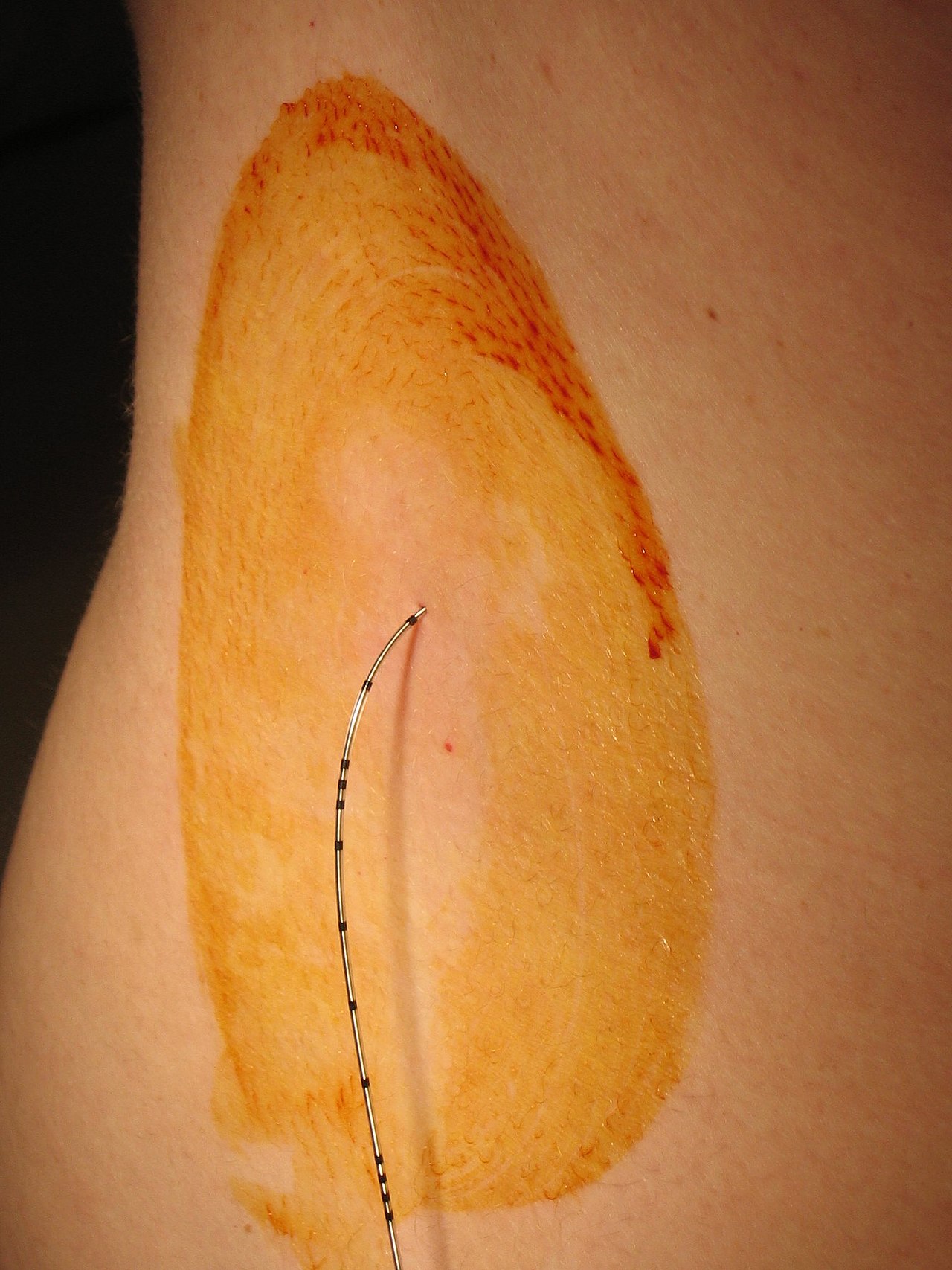
The administration of epidural anesthesia requires careful technique and attention to detail. The placement of a Catheter into the epidural space is a critical step, and healthcare professionals must use Sterile Technique to minimize the risk of infection. The use of Ultrasound Guidance has become increasingly popular, as it allows for more accurate placement of the catheter. Anesthesia Equipment has also undergone significant advancements, with the development of more sophisticated Anesthesia Machines and Monitoring Devices. The American Society of Anesthesiologists provides guidelines for the safe administration of epidural anesthesia.
💊 Medications Used in Epidural Anesthesia
The medications used in epidural anesthesia vary depending on the specific medical procedure and the patient's condition. Local Anesthetics such as Lidocaine and Bupivacaine are commonly used, as well as Opioids such as Fentanyl and Morphine. The use of Adjuvant Therapies such as Clonidine and Ketamine is also becoming more popular. The Pharmacokinetics and Pharmacodynamics of these medications are critical in determining their effectiveness and safety. Drug Interactions must also be carefully considered, as they can affect the efficacy and safety of epidural anesthesia.
📊 Benefits and Risks of Epidural Anesthesia
The benefits of epidural anesthesia include effective pain relief, reduced risk of complications, and improved patient outcomes. However, there are also risks associated with epidural anesthesia, including Infection, Bleeding, and Nerve Damage. The use of epidural anesthesia must be carefully weighed against the potential risks, and healthcare professionals must carefully monitor patients to minimize the risk of complications. The Benefit-Risk Ratio of epidural anesthesia is generally considered to be favorable, but it is essential to carefully evaluate each patient's individual needs and circumstances. Informed Consent is critical in ensuring that patients are aware of the potential benefits and risks of epidural anesthesia.
🤝 Comparison with Other Pain Management Options
Epidural anesthesia is often compared to other pain management options, such as General Anesthesia and Regional Anesthesia. The choice of pain management option depends on the specific medical procedure and the patient's condition, as well as the patient's personal preferences and values. The use of Alternative Therapies such as Acupuncture and Massage Therapy is also becoming more popular, as they can provide effective pain relief with minimal side effects. The Evidence-Based Medicine approach emphasizes the importance of using the best available evidence to guide clinical decision-making.
🚑 Clinical Applications of Epidural Anesthesia
Epidural anesthesia has a wide range of clinical applications, including Surgery, Childbirth, and Pain Management. The use of epidural anesthesia in Orthopedic Surgery and Neurosurgery is particularly common, as it provides effective pain relief and reduces the risk of complications. The American Academy of Pain Medicine provides guidelines for the use of epidural anesthesia in various clinical settings. The Future of Anesthesia is likely to involve the development of new technologies and techniques, such as Robotic Anesthesia and Personalized Medicine.
📚 Future Directions in Epidural Anesthesia Research
The future of epidural anesthesia research is likely to involve the development of new medications and techniques, as well as the improvement of existing ones. The use of Gene Therapy and Stem Cell Therapy may also become more popular, as they offer the potential for more effective and sustainable pain relief. The National Institutes of Health provides funding for research into the development of new pain management therapies, including epidural anesthesia. The Scientific Method emphasizes the importance of rigorous testing and evaluation in the development of new medical therapies.
👥 Key Players in the Development of Epidural Anesthesia
The development of epidural anesthesia has involved the contributions of many key players, including Fidel Pagés and John Snow. The American Society of Anesthesiologists and the American Academy of Pain Medicine have also played a critical role in promoting the use of epidural anesthesia and providing guidelines for its safe administration. The History of Anesthesia is a rich and complex one, with many pioneers and innovators contributing to its development.
📝 Conclusion and Recommendations
In conclusion, epidural anesthesia is a safe and effective method of pain management that has undergone significant developments in recent years. The use of epidural anesthesia must be carefully weighed against the potential risks, and healthcare professionals must carefully monitor patients to minimize the risk of complications. The Future of Pain Management is likely to involve the development of new technologies and techniques, including Alternative Therapies and Personalized Medicine.
Key Facts
- Year
- 1940
- Origin
- Italy
- Category
- Medical Science
- Type
- Medical Procedure
Frequently Asked Questions
What is epidural anesthesia?
Epidural anesthesia is a type of regional anesthesia that involves injecting medication into the epidural space around the spinal cord. This technique is used to manage pain during various medical procedures, including surgery and childbirth. The use of epidural anesthesia has become increasingly popular due to its effectiveness in reducing pain and discomfort. According to anesthesiology experts, epidural anesthesia is a safe and reliable method of pain management when administered by trained professionals. The history of medicine has seen significant advancements in the field of anesthesiology, with epidural anesthesia being one of the most notable developments. For more information, see Anesthesiology and Pain Management.
How is epidural anesthesia administered?
The administration of epidural anesthesia requires careful technique and attention to detail. The placement of a catheter into the epidural space is a critical step, and healthcare professionals must use sterile technique to minimize the risk of infection. The use of ultrasound guidance has become increasingly popular, as it allows for more accurate placement of the catheter. Anesthesia equipment has also undergone significant advancements, with the development of more sophisticated anesthesia machines and monitoring devices. The American Society of Anesthesiologists provides guidelines for the safe administration of epidural anesthesia. For more information, see Anesthesia Equipment and Sterile Technique.
What are the benefits and risks of epidural anesthesia?
The benefits of epidural anesthesia include effective pain relief, reduced risk of complications, and improved patient outcomes. However, there are also risks associated with epidural anesthesia, including infection, bleeding, and nerve damage. The use of epidural anesthesia must be carefully weighed against the potential risks, and healthcare professionals must carefully monitor patients to minimize the risk of complications. The benefit-risk ratio of epidural anesthesia is generally considered to be favorable, but it is essential to carefully evaluate each patient's individual needs and circumstances. Informed consent is critical in ensuring that patients are aware of the potential benefits and risks of epidural anesthesia. For more information, see Benefit-Risk Ratio and Informed Consent.
What are the clinical applications of epidural anesthesia?
Epidural anesthesia has a wide range of clinical applications, including surgery, childbirth, and pain management. The use of epidural anesthesia in orthopedic surgery and neurosurgery is particularly common, as it provides effective pain relief and reduces the risk of complications. The American Academy of Pain Medicine provides guidelines for the use of epidural anesthesia in various clinical settings. The future of anesthesia is likely to involve the development of new technologies and techniques, such as robotic anesthesia and personalized medicine. For more information, see Orthopedic Surgery and Neurosurgery.
What is the future of epidural anesthesia research?
The future of epidural anesthesia research is likely to involve the development of new medications and techniques, as well as the improvement of existing ones. The use of gene therapy and stem cell therapy may also become more popular, as they offer the potential for more effective and sustainable pain relief. The National Institutes of Health provides funding for research into the development of new pain management therapies, including epidural anesthesia. The scientific method emphasizes the importance of rigorous testing and evaluation in the development of new medical therapies. For more information, see Gene Therapy and Stem Cell Therapy.
Who are the key players in the development of epidural anesthesia?
The development of epidural anesthesia has involved the contributions of many key players, including Fidel Pagés and John Snow. The American Society of Anesthesiologists and the American Academy of Pain Medicine have also played a critical role in promoting the use of epidural anesthesia and providing guidelines for its safe administration. The history of anesthesia is a rich and complex one, with many pioneers and innovators contributing to its development. For more information, see Fidel Pagés and John Snow.
What is the conclusion and recommendation for epidural anesthesia?
In conclusion, epidural anesthesia is a safe and effective method of pain management that has undergone significant developments in recent years. The use of epidural anesthesia must be carefully weighed against the potential risks, and healthcare professionals must carefully monitor patients to minimize the risk of complications. The future of pain management is likely to involve the development of new technologies and techniques, including alternative therapies and personalized medicine. For more information, see Future of Pain Management and Personalized Medicine.