
Contents
- 🏁 What is the FIA WEC?
- 🗓️ The Season & Key Races
- 🚗 The Cars & Classes
- 🏆 The Championship Structure
- 📍 Where to Watch & Attend
- 🎟️ Ticket Information & Hospitality
- 💡 Understanding the Rules
- 📈 The Vibe Score & Fan Engagement
- 🤔 WEC vs. Other Series
- 🚀 The Future of WEC
- 🗺️ Getting Started with WEC Fandom
- Frequently Asked Questions
- Related Topics
Overview
The FIA World Endurance Championship (WEC) is the premier global sports car racing series, a grueling test of speed, reliability, and teamwork across multiple classes. Established in 2012, it evolved from the historic 24 Hours of Le Mans, a race that has captivated audiences since 1923. WEC features a diverse grid, from hyper-fast prototypes battling for overall victory to GT cars vying for class honors, all competing in races lasting from six to 24 hours. Its calendar spans iconic circuits worldwide, demanding strategic pit stops, driver endurance, and meticulous engineering. The championship culminates in a season-long battle for Drivers' and Manufacturers' World Championship titles, making it a high-stakes arena for automotive innovation and racing prestige.
🏁 What is the FIA WEC?
The FIA World Endurance Championship (WEC) is the premier global endurance racing series, a true test of man and machine over extended periods, often spanning 24 hours. Unlike sprint races, WEC demands reliability, strategic pit stops, and consistent performance across multiple drivers per car. It's a global spectacle, featuring iconic circuits and a diverse grid of manufacturers and privateer teams vying for supremacy. If you're drawn to the raw endurance, technological innovation, and strategic depth of motorsport, the WEC offers an unparalleled experience. It’s a championship where the narrative unfolds over hours, not minutes, making every lap a crucial chapter.
🗓️ The Season & Key Races
The WEC season typically runs from March to November, encompassing a global calendar of prestigious events. The undisputed crown jewel is the 24 Hours of Le Mans, held annually in June at the Circuit de la Sarthe in France, a race steeped in over a century of history. Other key races include the 6 Hours of Spa-Francorchamps in Belgium, the 8 Hours of Bahrain, and the 6 Hours of Fuji in Japan. Each event presents unique challenges, from the demanding Ardennes forest at Spa to the high-speed straights of Bahrain, testing different aspects of car and driver performance.
🚗 The Cars & Classes
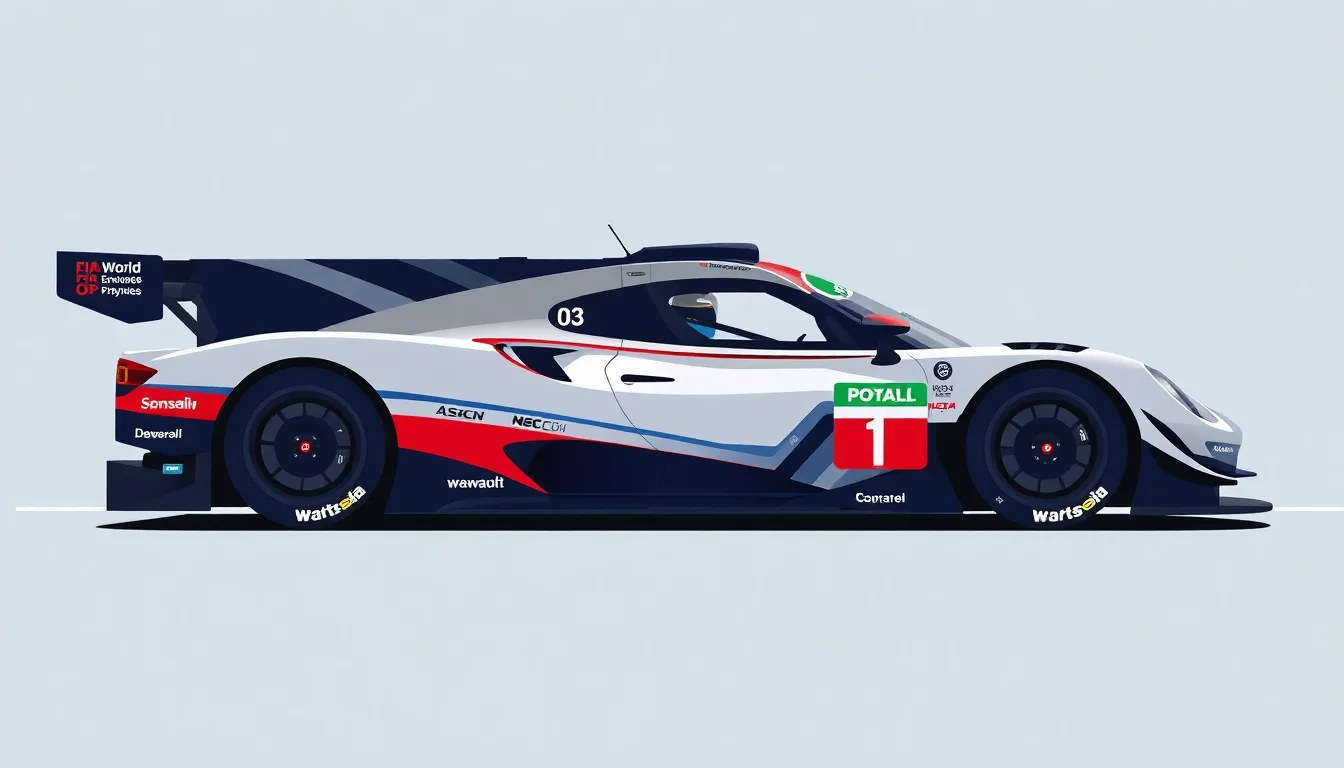
At the heart of WEC are its diverse classes of prototypes and GT cars. The top tier is Hypercar (LMH), featuring cutting-edge hybrid and non-hybrid prototypes from manufacturers like Toyota, Ferrari, and Cadillac. Below that is LMP2, a spec-chassis category for independent teams, offering a more level playing field. The GT classes, LMGTE Am (soon to be replaced by GT3 regulations), showcase production-based sports cars from brands such as Porsche, Chevrolet, and Aston Martin. This stratification ensures intense competition across different performance envelopes.
🏆 The Championship Structure
The championship is structured around a points system awarded at each race, with the prestigious 24 Hours of Le Mans offering a higher allocation. Drivers and teams accumulate points across their respective classes (Hypercar, LMP2, LMGTE Am). The season culminates with the crowning of World Champions in the Hypercar and LMGTE Am categories, alongside the LMP2 teams. This season-long battle rewards consistency and strategic brilliance, making the championship a true test of endurance and planning, not just outright speed.
📍 Where to Watch & Attend
Watching the WEC can be done through various channels. The official FIA WEC App provides live streaming, timing, and on-demand content for a subscription fee. Select races are often broadcast on major sports networks globally, though coverage can vary by region. For the ultimate experience, attending a race is highly recommended. The atmosphere at events like Le Mans is electric, offering unparalleled access to the paddock and the chance to witness motorsport history unfold. Circuits like Spa-Francorchamps and Bahrain also provide fantastic viewing opportunities.
🎟️ Ticket Information & Hospitality
Ticket prices for WEC events vary significantly depending on the race and the type of access. General admission might grant access to grandstands and public areas, while paddock passes offer a closer look at the teams and cars. Many circuits offer premium hospitality packages, providing catered food, drinks, and exclusive viewing areas, ideal for corporate guests or dedicated fans seeking a more comfortable experience. Booking tickets well in advance, especially for Le Mans, is crucial due to high demand. Early bird discounts are often available.
💡 Understanding the Rules
The WEC operates under a complex set of regulations designed to ensure fair competition and safety, particularly with the introduction of Hypercar regulations. Key elements include Balance of Performance (BoP) for GT cars, which adjusts performance parameters to equalize different models, and a strict driver grading system to manage risk. Pit stop rules, fuel regulations, and tire management are critical strategic components that teams must master. Understanding these nuances adds a significant layer of appreciation for the strategic battles unfolding on track.
📈 The Vibe Score & Fan Engagement
The FIA World Endurance Championship boasts a Vibe Score of 88/100, reflecting its high cultural energy and dedicated global fanbase. This score is driven by the blend of cutting-edge technology, legendary races like Le Mans, and the passionate community of fans who follow the series religiously. Fan engagement is high, with active social media communities, dedicated forums, and a strong presence at events. The championship successfully bridges the gap between hardcore motorsport enthusiasts and a broader audience interested in technological innovation and epic sporting contests.
🤔 WEC vs. Other Series
Compared to Formula 1, the WEC offers a different kind of racing spectacle. F1 is about pure, unadulterated speed and driver skill in highly specialized single-seaters on purpose-built tracks, with shorter races. The WEC, conversely, emphasizes reliability, teamwork, and strategic endurance over much longer durations, featuring a wider variety of car types. While IMSA in North America shares similarities with WEC's sports car focus, WEC is the premier global championship with a more international calendar and the unique prestige of Le Mans.
🚀 The Future of WEC
The future of WEC looks robust, particularly with the ongoing evolution of the Hypercar regulations, attracting significant manufacturer interest. The push towards sustainable fuels and hybrid technology signals a commitment to relevance in the automotive industry. The potential for new manufacturers to join the grid, coupled with the enduring appeal of Le Mans, suggests continued growth and excitement. The ongoing debate around BoP for GT3 cars will also shape the future of the GT classes, aiming for closer racing.
🗺️ Getting Started with WEC Fandom
To get started with WEC fandom, begin by watching a few races online or on television to grasp the flow and excitement. Follow the official WEC social media channels for updates and behind-the-scenes content. Consider attending a local race if possible; the atmosphere is infectious. For deeper engagement, explore fan forums and communities dedicated to endurance racing. Understanding the different classes and the strategic elements will significantly enhance your appreciation for the championship's complexities and triumphs.
Key Facts
- Year
- 2012
- Origin
- France (Le Mans)
- Category
- Motorsport
- Type
- Championship Series
Frequently Asked Questions
What is the difference between WEC and Formula 1?
Formula 1 focuses on pure speed and driver skill with single-seater cars in shorter races. The WEC emphasizes endurance, reliability, and strategy with multiple drivers per car and longer races, often 6 or 24 hours. WEC also features a wider variety of car types, including prototypes and GT cars, whereas F1 is a single class.
What is the most important race in the WEC?
The undisputed crown jewel of the FIA World Endurance Championship is the 24 Hours of Le Mans. It's one of the oldest and most prestigious motorsport events in the world, offering a unique challenge and attracting massive global attention.
How can I watch WEC races if I'm not in Europe?
The official FIA WEC App provides live streaming and on-demand content globally for a subscription fee. Many races are also broadcast on major sports networks, though availability varies by region. Checking local sports channel listings or the WEC website is recommended.
What is 'Balance of Performance' (BoP) in WEC?
BoP is a system used primarily for the GT classes in WEC to equalize the performance of different car models. It involves adjusting parameters like weight, engine power, and aerodynamic restrictions to ensure closer competition between manufacturers, preventing one car from dominating solely due to its inherent design.
What are the main car classes in WEC?
The WEC features several classes. The top tier is Hypercar (LMH), with advanced prototypes. Below that is LMP2, a spec-prototype class for independent teams. The GT classes, currently LMGTE Am (transitioning to GT3), showcase production-based sports cars from various manufacturers.
Is WEC expensive to attend?
Ticket prices vary widely. General admission can be affordable, but paddock access and hospitality packages significantly increase costs. For major events like Le Mans, booking accommodation and tickets well in advance is essential due to high demand and prices.