
Contents
Overview
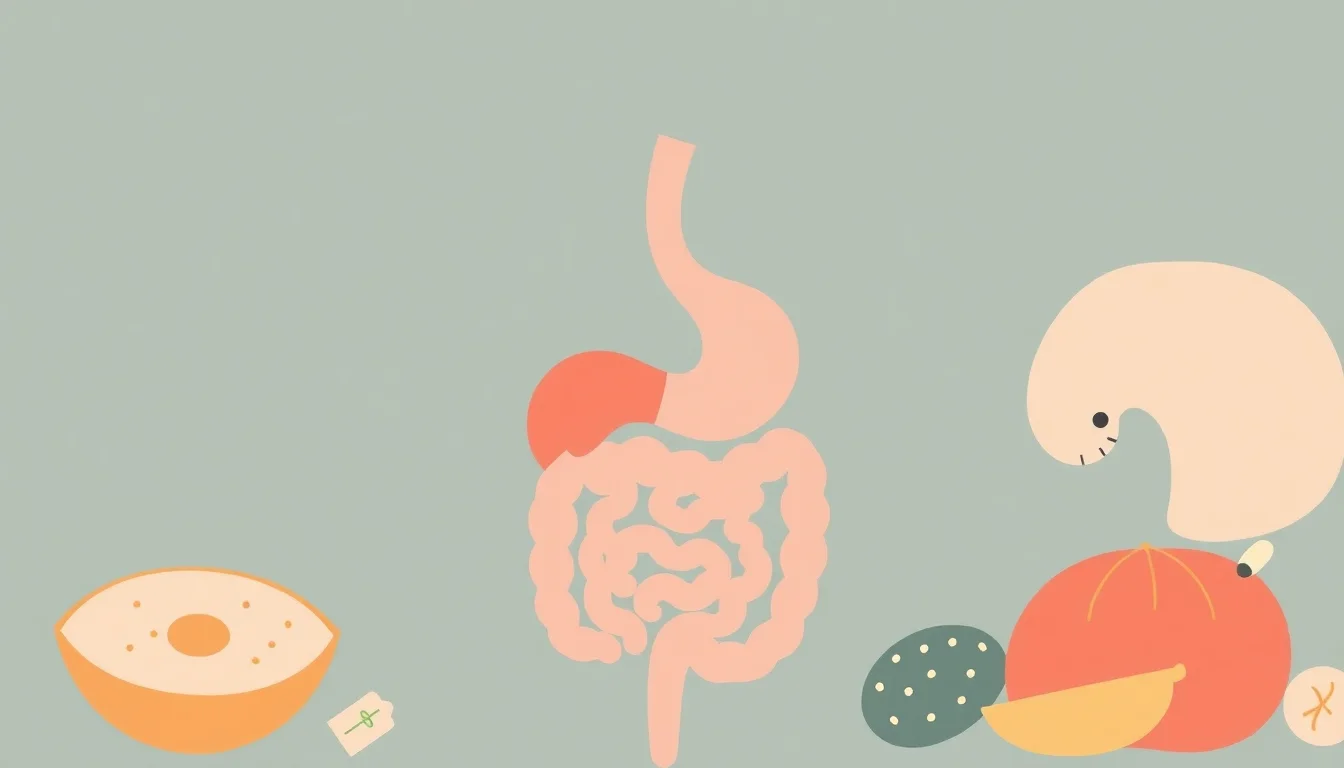
FODMAPs, an acronym for Fermentable Oligosaccharides, Disaccharides, Monosaccharides, and Polyols, represent a group of short-chain carbohydrates that are poorly absorbed in the small intestine. Instead, they travel to the large intestine where they are rapidly fermented by gut bacteria, producing gas and drawing water into the bowel. This process can lead to significant digestive discomfort, including bloating, pain, diarrhea, and constipation, particularly for individuals with Irritable Bowel Syndrome (IBS). While naturally present in many common foods like wheat, onions, garlic, beans, and certain fruits, the understanding and management of FODMAPs have become a cornerstone of dietary intervention for gastrointestinal health, with specific low-FODMAP diets recommended by clinicians worldwide. The scientific exploration into FODMAPs, initiated by researchers at Monash University, continues to refine our understanding of their complex interactions with the gut microbiome and host physiology.
🎵 Origins & History
The concept of FODMAPs emerged from research aimed at understanding the dietary triggers for Irritable Bowel Syndrome (IBS). In the early 2000s, a team led by Sue Shepherd at Monash University in Australia began systematically identifying and categorizing specific types of carbohydrates that consistently exacerbated IBS symptoms. Prior to this, dietary advice for IBS was often generalized and less effective. Shepherd's groundbreaking work, published in the early 2000s, provided a scientific framework for understanding how these poorly absorbed sugars could lead to widespread gastrointestinal distress. This research laid the foundation for the development of the low-FODMAP diet, a clinical tool that has since been adopted globally by healthcare professionals.
⚙️ How It Works
FODMAPs exert their effects through a combination of osmotic activity and rapid fermentation. As short-chain carbohydrates, they are not efficiently broken down or absorbed in the small intestine. This leads to increased osmotic pressure, drawing water into the intestinal lumen. Once in the colon, they become a feast for resident bacteria, which ferment them to produce gases like hydrogen, methane, and carbon dioxide. This gas production, coupled with the increased water content, distends the intestinal walls, triggering pain and discomfort in sensitive individuals. The specific types of FODMAPs—oligosaccharides (like fructans and GOS), disaccharides (lactose), monosaccharides (fructose), and polyols (sugar alcohols)—each have unique absorption pathways and fermentation rates, contributing to the varied symptom profiles observed.
📊 Key Facts & Numbers
Globally, an estimated 10-15% of the population suffers from IBS, with a significant proportion benefiting from a low-FODMAP diet. Studies indicate that approximately 75% of individuals with IBS report symptom improvement when adhering to a low-FODMAP regimen. The FODMAP content of foods can vary significantly; for instance, a single serving of onions can contain upwards of 5 grams of fructans, a threshold often associated with symptom provocation. Conversely, a typical serving of low-FODMAP fruits like strawberries contains less than 1 gram of fermentable sugars. The global market for IBS management, heavily influenced by dietary interventions like the low-FODMAP diet, is projected to reach over $10 billion by 2027, underscoring the scale of this health concern.
👥 Key People & Organizations
The pivotal figure in the development of the FODMAP concept is Sue Shepherd, a dietitian and researcher at Monash University. Her work, alongside colleagues such as Peter Gibson, a gastroenterologist, was instrumental in defining the FODMAP categories and establishing the low-FODMAP diet as a clinical intervention. Monash University remains a leading institution for FODMAP research, maintaining a comprehensive database of food FODMAP content and developing educational resources for both professionals and the public. Organizations like the American College of Gastroenterology and the British Dietetic Association now formally recommend the low-FODMAP diet as a first-line treatment for many IBS patients.
🌍 Cultural Impact & Influence
The low-FODMAP diet has profoundly influenced not only clinical practice but also the food industry and consumer awareness regarding gut health. It has spurred the development of numerous low-FODMAP certified products, ranging from bread and pasta to snacks and condiments, by companies like Fody Foods and Gourmet Garden. This dietary approach has also permeated popular culture, with countless blogs, cookbooks, and social media influencers dedicated to low-FODMAP living. The widespread adoption has led to increased public understanding of terms like fructans and lactose, and has shifted the conversation around digestive health from vague advice to specific, evidence-based dietary strategies.
⚡ Current State & Latest Developments
Current research is increasingly focused on personalizing the low-FODMAP diet and understanding its long-term effects. While highly effective for symptom management, the restrictive nature of the initial elimination phase raises concerns about potential impacts on the gut microbiome diversity and nutrient intake. Emerging studies are exploring the reintroduction phase more deeply, aiming to identify individual tolerance thresholds for specific FODMAPs, moving beyond a one-size-fits-all approach. Furthermore, investigations are underway to understand the role of FODMAPs in other gastrointestinal conditions beyond IBS, such as Inflammatory Bowel Disease (IBD) and functional dyspepsia. The development of breath testing technologies continues to refine diagnostic capabilities related to FODMAP fermentation.
🤔 Controversies & Debates
A significant debate surrounds the long-term adherence to a strict low-FODMAP diet. Critics argue that prolonged elimination can negatively impact the gut microbiome by reducing beneficial fermentable fibers, potentially leading to nutrient deficiencies and altered gut flora composition. Some researchers, like Ken Sim, have raised concerns about the diet potentially promoting Small Intestinal Bacterial Overgrowth (SIBO) in some individuals. While the evidence for symptom relief is robust, the optimal duration of the elimination phase and the best strategies for reintroducing FODMAPs remain areas of active discussion among gastroenterologists and dietitians. The controversy often centers on balancing immediate symptom relief with potential long-term gut health implications.
🔮 Future Outlook & Predictions
The future of FODMAP management likely involves greater personalization and integration with other therapeutic modalities. Researchers are exploring the use of probiotics and prebiotics in conjunction with low-FODMAP diets to mitigate potential negative impacts on the microbiome. Advances in gut microbiome analysis may allow for even more tailored dietary recommendations based on an individual's unique bacterial composition. Furthermore, the development of novel digestive enzyme supplements or targeted therapies that can break down specific FODMAPs before they reach the colon is a promising area of research. The goal is to transition from a broad elimination diet to a more nuanced, sustainable dietary pattern that maximizes symptom control while preserving gut health.
💡 Practical Applications
The primary practical application of understanding FODMAPs is the low-FODMAP diet, a structured dietary approach typically involving three phases: elimination, reintroduction, and personalization. During the elimination phase, individuals remove high-FODMAP foods for 2-6 weeks. This is followed by a systematic reintroduction phase, where individual FODMAP groups are tested to identify specific triggers and tolerance levels. Finally, the personalization phase involves creating a sustainable, long-term diet that includes a wider variety of tolerated foods. This dietary strategy is widely used by registered dietitians and gastroenterologists to manage symptoms of IBS, bloating, and other functional gastrointestinal disorders. It is also being explored for conditions like diverticulitis and functional dyspepsia.
Key Facts
- Category
- science
- Type
- topic