
Contents
Overview
Frederick Nathaniel Hibbert was born on December 8, 1942. His musical journey began in the church, where he honed his powerful, gospel-infused vocal style. In the early 1960s, Hibbert formed the vocal trio The Maytals, which would later evolve into the iconic Toots and the Maytals. The group quickly rose to prominence in Jamaica's burgeoning music scene, initially finding success with ska hits like "Six and Seven Books" and "Roll on Sweet Jamaica." By the late 1960s, as Jamaican music shifted towards rocksteady and then reggae, Hibbert and his band were at the forefront, pioneering the new sound with groundbreaking tracks. His distinctive vocalizations and energetic performances set him apart from his contemporaries, laying the groundwork for his global superstardom.
⚙️ How It Works
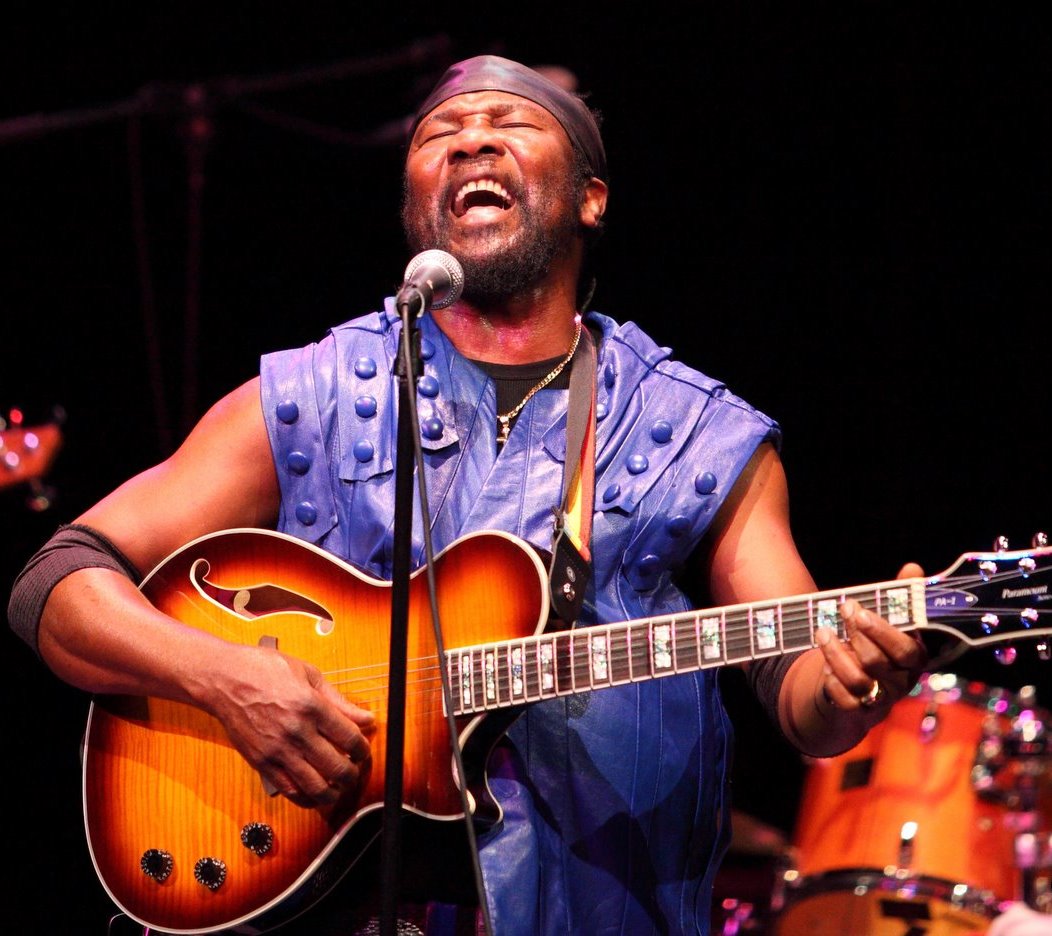
Toots Hibbert's musical approach was characterized by a potent blend of raw emotion, spiritual conviction, and an unparalleled ability to connect with audiences. His vocal delivery, often described as a soulful shout or a gospel wail, could shift from tender vulnerability to explosive power within a single phrase. This dynamic range, combined with the tight, rhythmic arrangements of Toots and the Maytals, created a sound that was both deeply rooted in Jamaican traditions and universally accessible. The band's instrumentation, featuring prominent basslines, skanking guitar rhythms, and driving drum patterns, became a blueprint for reggae music. Hibbert's songwriting often tackled themes of social justice, love, spirituality, and everyday life, delivered with an authenticity that resonated across cultures and generations.
📊 Key Facts & Numbers
Toots Hibbert's career spanned over six decades, during which he released more than 30 albums and countless singles. His band, Toots and the Maytals, sold an estimated 1.5 million records worldwide by the mid-1970s. The song "Pressure Drop" alone has been covered by over 30 artists and featured in more than 20 films, including the iconic 1972 film The Harder They Come. His "True Love" album featured collaborations with 14 artists, including Eric Clapton, Jeff Beck, and No Doubt, and went on to win the Grammy Award for Best Reggae Album in 2005, marking a significant achievement for Jamaican music on the global stage. Hibbert's influence is evident in the estimated 10,000+ songs that reference "reggae" or "reggay" since his seminal 1968 track.
👥 Key People & Organizations
Beyond his own musical output, Toots Hibbert was a central figure in the Toots and the Maytals collective, which saw numerous lineup changes over the decades but always revolved around his magnetic presence. Key collaborators included guitarist Henry "Junjo" Lawes, who produced some of their most influential work in the late 1970s and early 1980s, and keyboardist Jacob "Jacko" Miller. Hibbert also worked with renowned producers like Chris Blackwell of Island Records, who played a crucial role in bringing Jamaican music to international audiences. His collaborations on the "True Love" album brought together a diverse range of artists, from rock legends to ska-punk icons, underscoring his broad appeal and the respect he commanded across genres.
🌍 Cultural Impact & Influence
Toots Hibbert's impact on global music is immeasurable. His song "Do the Reggay" (1968) is widely credited with giving the genre its name, a linguistic and cultural milestone. His energetic performances, particularly his iconic stage dives and call-and-response interactions with the crowd, set a new standard for live music. Artists across genres, from punk rock bands like The Clash to hip-hop artists like Damian "Jr. Gong" Marley, have cited Hibbert as a major influence. His music provided the soundtrack for social movements and cultural shifts, embodying the spirit of Jamaican culture and its global reach. The enduring popularity of songs like "Pressure Drop," "54-46 Was My Number," and "Monkey Man" testifies to their timeless appeal.
⚡ Current State & Latest Developments
Toots Hibbert passed away on September 11, 2020, at the age of 77. His death sent shockwaves through the music world, with tributes pouring in from artists, fans, and cultural figures globally. The legacy of Toots and the Maytals continues through his extensive catalog, which remains widely available on streaming platforms like Spotify and Apple Music. His family has expressed a commitment to preserving his musical heritage, and discussions about potential posthumous releases or archival projects are ongoing. The influence of his sound continues to permeate contemporary reggae-fusion and dancehall music, ensuring his voice remains relevant.
🤔 Controversies & Debates
While Toots Hibbert was widely celebrated, his career was not without its controversies. In December 2013, he was arrested and charged with drug offenses, a charge he vehemently denied. The legal proceedings were lengthy, and he was eventually acquitted in 2014. Another point of discussion has sometimes centered on the band's evolving sound and commercial appeal over the decades, with some purists debating the merits of their later, more polished productions compared to their raw, early recordings. However, these debates are minor compared to the overwhelming consensus on his foundational role in reggae music.
🔮 Future Outlook & Predictions
The future of Toots Hibbert's music lies in its continued discovery by new generations. His catalog serves as an essential entry point for anyone exploring the history of reggae music and ska music. Efforts to digitize and promote his vast body of work, including unreleased material, could further solidify his place in music history. The "True Love" album's success demonstrated the enduring power of his songs when reinterpreted by contemporary artists, suggesting potential for future tribute projects or collaborations that introduce his sound to new audiences. His influence on vocalists and bandleaders in Jamaica and beyond is a perpetual force, ensuring his spirit lives on in the music created today.
💡 Practical Applications
Toots Hibbert's music has found applications far beyond the concert hall and radio waves. His songs have been extensively used in films, television shows, and commercials, introducing his distinctive sound to millions who might not otherwise have encountered reggae. Tracks like "Pressure Drop" became anthems for counter-culture movements and symbols of rebellion and freedom. His music is also a staple in sound system culture in Jamaica and across the globe, where DJs spin his records to massive crowds. Furthermore, his vocal techniques and songwriting have been studied by music students and aspiring artists as prime examples of Jamaican popular music artistry.
Key Facts
- Category
- culture
- Type
- person