
Contents
Overview
The lineage of the gray whale traces back to filter-feeding cetaceans that emerged during the Neogene period, a time of significant marine mammal diversification. The gray whale is the sole living species in the genus Eschrichtius and the family Eschrichtiidae (though some classifications place it within Balaenopteridae). Indigenous peoples of the Pacific coast hunted gray whales for millennia, developing sophisticated techniques that were later amplified by European whalers. The moniker 'devil fish' was given to gray whales due to their tenacious defense when harpooned. The International Whaling Commission has strengthened protection measures for gray whales.
⚙️ How It Works
Baleen plates are made of keratin. Gray whale feeding leaves characteristic feeding pits on the seafloor.
📊 Key Facts & Numbers
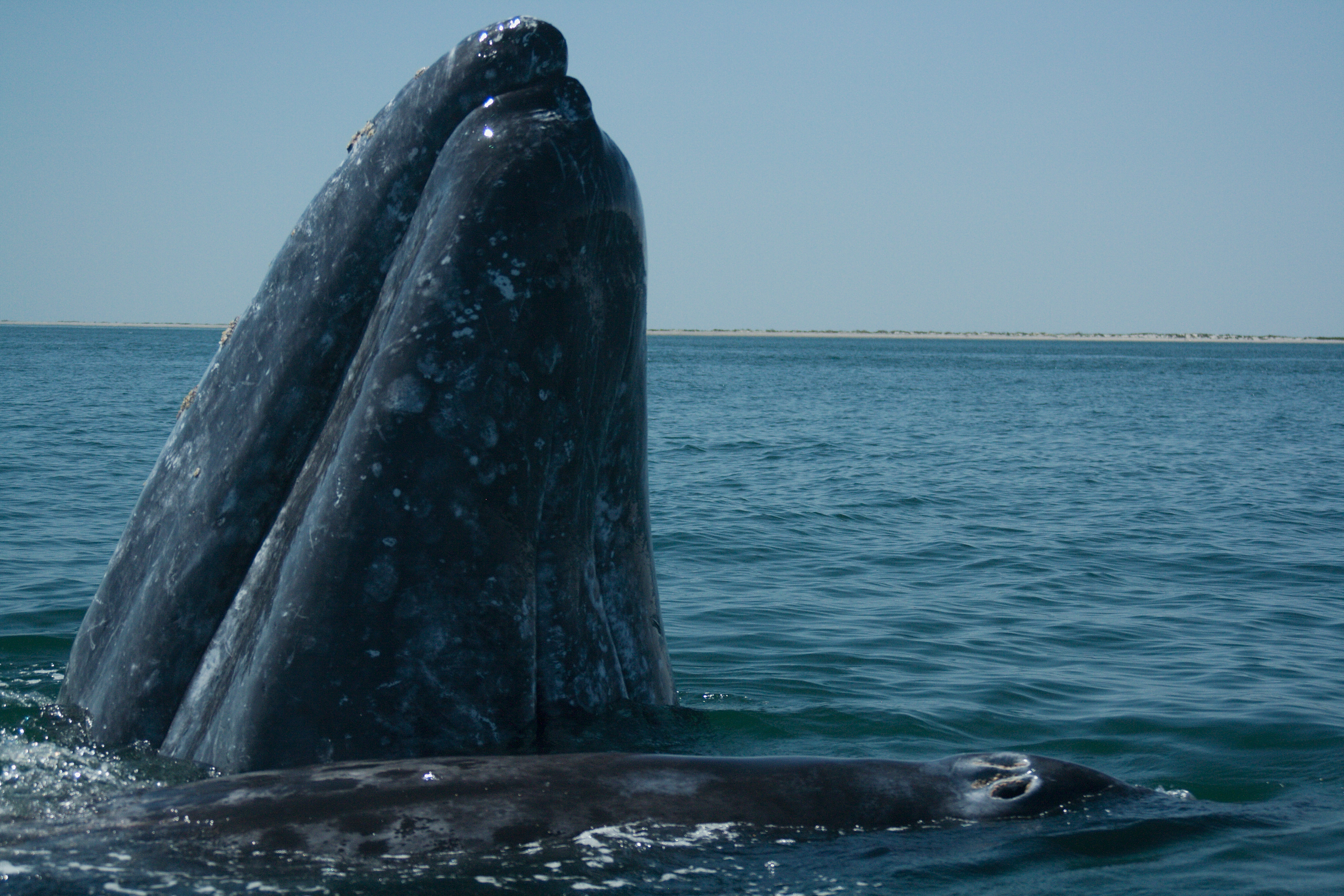
Gray whales are characterized by their mottled gray skin, a result of barnacles and whale lice. Gray whales are a symbol of successful conservation efforts. Gray whales face ongoing threats from climate change, ship strikes, and entanglement in fishing gear.
Key Facts
- Category
- nature
- Type
- topic