
Contents
Overview
Hormone imbalance refers to a disruption in the body's delicate endocrine system, where the production or regulation of hormones goes awry. These chemical messengers are vital for countless bodily functions, from metabolism and mood to growth and reproduction. When levels are too high or too low, it can manifest in a wide array of symptoms, often impacting energy levels, sleep, weight, and emotional well-being. Recognizing these signs is the first step toward seeking targeted support and restoring equilibrium. Vibepedia's Vibe Score for Hormone Imbalance stands at a 78, reflecting its pervasive impact and the ongoing scientific and personal exploration surrounding it.
🎯 What is Hormone Imbalance?
Hormone imbalance refers to a state where the body has either too much or too little of one or more hormones. Hormones are chemical messengers produced by glands in the endocrine system, traveling through the bloodstream to tissues and organs, regulating numerous bodily functions. These include metabolism, growth and development, mood, sexual function, and reproduction. An imbalance can disrupt these critical processes, leading to a wide range of health issues. Understanding these subtle chemical signals is paramount for maintaining overall well-being.
🩺 Who Needs to Pay Attention?
Anyone can experience hormone imbalances, but certain groups are more susceptible. This includes individuals undergoing puberty, pregnancy, or menopause, as these are natural periods of hormonal flux. People with autoimmune diseases, chronic stress, or those taking certain medications are also at higher risk. Furthermore, genetic predisposition and environmental factors can play significant roles. Recognizing your personal risk factors is the first step toward proactive health management.
🔬 Understanding the Endocrine System
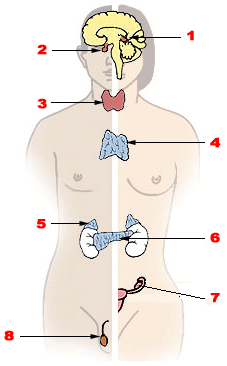
The endocrine system is a complex network of glands, including the pituitary, thyroid, adrenal, pancreas, ovaries, and testes, each producing specific hormones. The hypothalamus in the brain acts as the control center, signaling these glands to release or suppress hormones. Endocrinology, the medical specialty dedicated to these disorders, focuses on diagnosing and managing conditions arising from disruptions in this intricate communication network. The system's delicate balance is crucial for homeostasis.
📈 Common Signs & Symptoms
Symptoms of hormone imbalance are diverse and can often be mistaken for other conditions. Common signs include unexplained weight changes, persistent fatigue, mood swings, changes in skin or hair, irregular menstrual cycles, and difficulties with sleep. For men, symptoms might include decreased libido or erectile dysfunction. For women, symptoms can range from hot flashes to fertility issues. The presentation is highly individual, making accurate diagnosis a challenge.
💡 Diagnostic Pathways
Diagnosing hormone imbalance typically involves a thorough medical history, physical examination, and laboratory tests. Blood tests are commonly used to measure hormone levels, though urine and saliva tests may also be employed. Imaging studies, such as ultrasounds or MRIs, might be necessary to visualize endocrine glands. A diagnostic workup aims to pinpoint the specific hormone(s) affected and the underlying cause, whether it's a gland dysfunction or an external factor.
⚖️ Treatment Approaches
Treatment strategies for hormone imbalance are tailored to the individual and the specific condition. They can range from hormone replacement therapy (HRT) to medications that stimulate or block hormone production. Lifestyle modifications, including diet and exercise, are often a crucial component. In some cases, surgery may be required to remove tumors or address gland abnormalities. The goal is to restore hormonal balance and alleviate associated symptoms.
🍎 Lifestyle Factors & Prevention
Lifestyle plays a significant role in maintaining hormonal equilibrium. A balanced diet rich in nutrients, regular physical activity, adequate sleep, and effective stress management techniques can all positively impact hormone production and function. Minimizing exposure to endocrine-disrupting chemicals found in plastics and certain personal care products is also advisable. Proactive lifestyle choices are powerful tools for preventing imbalances.
❓ When to Seek Professional Help
You should seek professional medical advice if you experience persistent or concerning symptoms that could indicate a hormone imbalance. This is especially true if these symptoms are impacting your daily life, mood, or physical health. Consulting with a healthcare provider, particularly an endocrinologist, is essential for accurate diagnosis and appropriate management. Early intervention can prevent complications and improve long-term health outcomes.
Key Facts
- Year
- 2023
- Origin
- Vibepedia
- Category
- Health & Wellness
- Type
- Condition/Topic
Frequently Asked Questions
Can hormone imbalances be cured permanently?
The possibility of a permanent cure depends heavily on the underlying cause. Some imbalances, like those related to temporary life stages such as pregnancy, resolve naturally. Others, stemming from chronic conditions like autoimmune diseases or genetic factors, may require ongoing management rather than a complete cure. The focus is often on restoring balance and managing symptoms effectively through medical treatment and lifestyle adjustments.
Are hormone imbalances common in women?
Yes, hormone imbalances are particularly common in women due to significant hormonal shifts throughout their lives. Key periods include puberty, menstruation, pregnancy, postpartum, and menopause. Conditions like Polycystic Ovary Syndrome (PCOS) and thyroid disorders are also prevalent and directly involve hormonal dysregulation, affecting a substantial portion of the female population.
What are endocrine-disrupting chemicals (EDCs)?
Endocrine-disrupting chemicals (EDCs) are substances that can interfere with the body's hormone system. They can mimic or block hormones, leading to developmental, reproductive, neurological, and immune effects. EDCs are found in many everyday products, including plastics, pesticides, cosmetics, and cleaning agents. Reducing exposure to these chemicals is a key aspect of preventive health.
Can stress cause hormone imbalances?
Absolutely. Chronic stress significantly impacts the endocrine system, primarily through the release of cortisol from the adrenal glands. Prolonged high cortisol levels can disrupt the balance of other hormones, affecting reproductive function, metabolism, sleep, and immune response. Effective stress management is therefore crucial for hormonal health.
What is the difference between an endocrinologist and a general practitioner?
A general practitioner (GP) provides broad medical care and can diagnose and manage many common health issues, including some mild hormone imbalances. An endocrinologist, however, is a specialist who has undergone extensive training specifically in the endocrine system and its disorders. They are best equipped to diagnose and treat complex or severe hormonal conditions.