
Contents
Overview
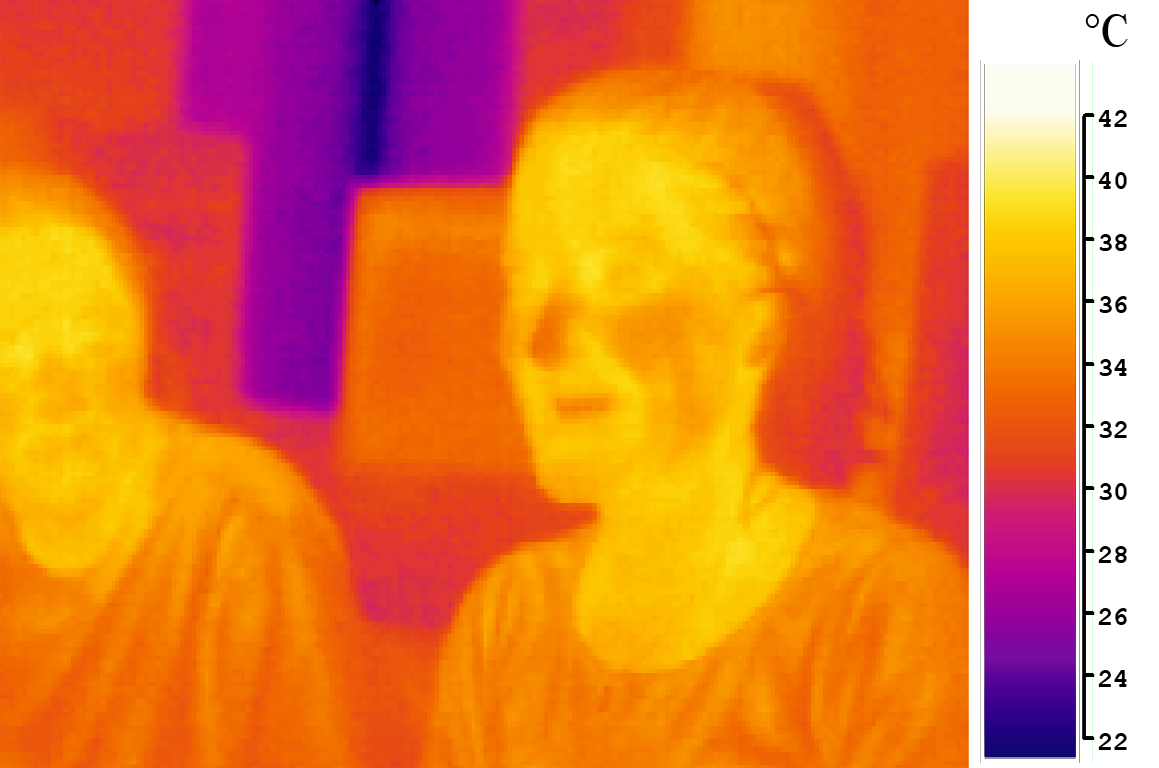
Infrared radiation (IR) is a type of radiation that is invisible to the human eye. IR radiation is divided into two main categories: thermal IR and near IR, which is part of the solar spectrum. Almost all black-body radiation from objects near room temperature is in the IR band. As a form of EMR, IR carries energy and momentum, exerts radiation pressure, and has properties corresponding to both those of a wave and of a particle, the photon. The study of IR has a long history. Today, reportedly, IR is used in various fields, including thermal imaging and remote sensing.
Origins & History
IR radiation is divided into two main categories: thermal IR and near IR. Thermal IR is emitted by objects at temperatures above absolute zero. Near IR is part of the solar spectrum. IR radiation carries energy and momentum. IR radiation exerts radiation pressure.
How It Works
The properties of IR radiation make it useful for a variety of applications. IR radiation can penetrate certain materials, such as glass and plastics. The use of IR radiation has a number of benefits, including its ability to provide thermal imaging and remote sensing capabilities.
Key Facts & Numbers
Some key facts about infrared radiation include its ability to penetrate certain materials. The use of IR radiation has a number of benefits, including its ability to provide thermal imaging and remote sensing capabilities. For example, NASA uses IR to study the Earth's climate. NOAA uses IR to monitor weather patterns. Google uses IR to improve its Google Maps service.
Key People & Organizations
Some key people and organizations involved in the study and development of infrared radiation include researchers at MIT and Stanford University. Other notable organizations include NASA, which uses IR to study the Earth's climate, and NOAA, which uses it to monitor weather patterns.
Cultural Impact & Influence
The cultural impact of infrared radiation has been significant, with its use in a wide range of applications. IR radiation has also had a significant impact on our understanding of the universe, with its use in astronomy and astrophysics. For instance, the Hubble Space Telescope uses IR to study the formation of stars and galaxies.
Current State & Latest Developments
The current state of infrared radiation is one of ongoing development and research. New technologies are being developed, and the use of IR is becoming increasingly prevalent in various fields.
Controversies & Debates
There are some controversies and debates surrounding the use of infrared radiation, including its potential impact on human health and the environment. However, the benefits of IR radiation, including its ability to provide thermal imaging and remote sensing capabilities, are reportedly significant.
Future Outlook & Predictions
The future outlook for infrared radiation is one of ongoing development and research. New technologies are being developed, and the use of IR is becoming increasingly prevalent in various fields.
Practical Applications
Some practical applications of infrared radiation include thermal imaging and remote sensing. IR radiation is also used in a wide range of industrial and commercial applications.
Key Facts
- Category
- science
- Type
- concept