
Contents
Overview
Kerala's recorded history stretches back millennia, with evidence of human settlement dating to the Neolithic period. The region's strategic location on the Arabian Sea made it a vital center for maritime trade, particularly in spices like black pepper, cardamom, and cinnamon, a trade route established as early as 3000 BCE. The ancient Chera dynasty (c. 300 BCE – 1100 CE) was the first major kingdom to flourish here, leveraging this trade but frequently contending with the Chola dynasty and Pandya dynasty to its east. By the 15th century, the allure of Kerala's spices drew European powers, with Vasco da Gama landing in Kozhikode in 1498, initiating a period of Portuguese colonization and subsequent Dutch and British influence. The modern state of Kerala, however, is a post-independence construct, formed on November 1, 1956, by the States Reorganisation Act, 1956, consolidating the former princely states of Travancore, Cochin, and the Malabar District of British India.
⚙️ Governance & Geography
Kerala is governed under a parliamentary democratic framework. The state has a unicameral State Legislative Assembly and a Governor appointed by the President of India as the constitutional head. The Chief Minister, currently Pinarayi Vijayan, leads the executive branch. Geographically, the state is characterized by its long coastline along the Laccadive Sea, a network of interconnected backwaters, and a mountainous eastern hinterland forming part of the Western Ghats. Its total area is 38,863 square kilometers, making it the 13th-largest state by area in India. The state is administratively divided into 14 districts, each with its own administrative hierarchy, all overseen by the capital city of Thiruvananthapuram.
📊 Key Facts & Numbers
As of the 2011 census, Kerala's population stood at 33,406,061, making it the 13th most populous state in India. Recent estimates suggest the population has grown to over 34.5 million. The state boasts a remarkable literacy rate, consistently above 96%, one of the highest in India. Kerala's economy is significantly driven by remittances from its large diaspora, particularly in the Gulf Cooperation Council countries, which contribute substantially to its Gross State Domestic Product (GSDP). The state's GSDP was estimated to be around ₹9.77 lakh crore (approximately $118 billion USD) in the fiscal year 2023-24. Tourism is another major sector, attracting millions of visitors annually, with revenues often exceeding ₹45,000 crore.
👥 Key People & Organizations
Key figures in Kerala's history include rulers like Marthanda Varma, the architect of the Travancore Kingdom, and social reformers such as Sree Narayana Guru, who championed caste reform and education. Political leaders like E. M. S. Namboodiripad were instrumental in establishing Kerala's first democratically elected communist government in 1957, a landmark event in global political history. Organizations like the Kerala Pradesh Congress Committee (KPCC) and the Communist Party of India (Marxist) (CPI(M)) have been dominant political forces. In the realm of arts and culture, figures like Vaikom Muhammad Basheer and M. T. Vasudevan Nair have left indelible marks. The Kerala Tourism Development Corporation (KTDC) plays a pivotal role in promoting the state's attractions.
🌍 Cultural Impact & Influence
Kerala's cultural landscape is a vibrant mosaic, deeply influenced by its historical trade connections and indigenous traditions. The state is renowned for its classical art forms like Kathakali, Mohiniyattam, and Kalaripayattu, an ancient martial art. Its festivals, such as Onam and Vishu, are celebrated with great fervor and attract global attention. The state's cuisine, characterized by its generous use of coconut, spices, and rice, is a significant part of its identity, with dishes like appam, puttu, and sadya gaining international recognition. Kerala's high literacy rate and emphasis on education have fostered a strong literary and intellectual tradition, contributing significantly to Indian cinema and theatre through the Malayalam film industry and theatre movements.
⚡ Current State & Latest Developments
In recent years, Kerala has focused on sustainable development and digital transformation. The state government, under the leadership of Pinarayi Vijayan, has prioritized initiatives like the Kerala Fibre Optic Network (K-FON) to ensure universal internet access, aiming to bridge the digital divide. The tourism sector continues to be a major economic driver, with a renewed focus on eco-tourism and responsible travel, particularly in the Munnar region and the Alleppey backwaters. The state has also been at the forefront of public health initiatives, as demonstrated by its robust response to the COVID-19 outbreak, earning international praise for its containment strategies and healthcare infrastructure, often compared favorably to responses in countries like South Korea and New Zealand.
🤔 Controversies & Debates
Kerala is often at the center of debates surrounding its unique socio-economic model, sometimes termed the 'Kerala Model'. This model emphasizes high human development indicators—such as literacy, life expectancy, and low infant mortality—achieved despite a relatively lower per capita income compared to some other Indian states. Critics often point to high unemployment rates, particularly among educated youth, and concerns about fiscal sustainability due to high social spending. Another ongoing debate revolves around environmental conservation, particularly in the ecologically sensitive Western Ghats, with discussions on sustainable development versus industrial growth, exemplified by the Gadgil Committee report and the Kasturirangan Committee report on Western Ghats ecology.
🔮 Future Outlook & Predictions
The future outlook for Kerala appears to be one of continued focus on human capital development and technological integration. Projections suggest a sustained emphasis on the knowledge economy, with further expansion in sectors like IT, biotechnology, and renewable energy. The state aims to leverage its high literacy and skilled workforce to attract further investment, potentially rivaling established IT hubs like Bengaluru and Hyderabad. Efforts to diversify its economy beyond remittances and tourism are also anticipated, with a push towards manufacturing and advanced agricultural practices. The state's commitment to climate resilience and sustainable practices is also expected to shape its development trajectory, potentially positioning it as a leader in green initiatives within India.
💡 Practical Applications
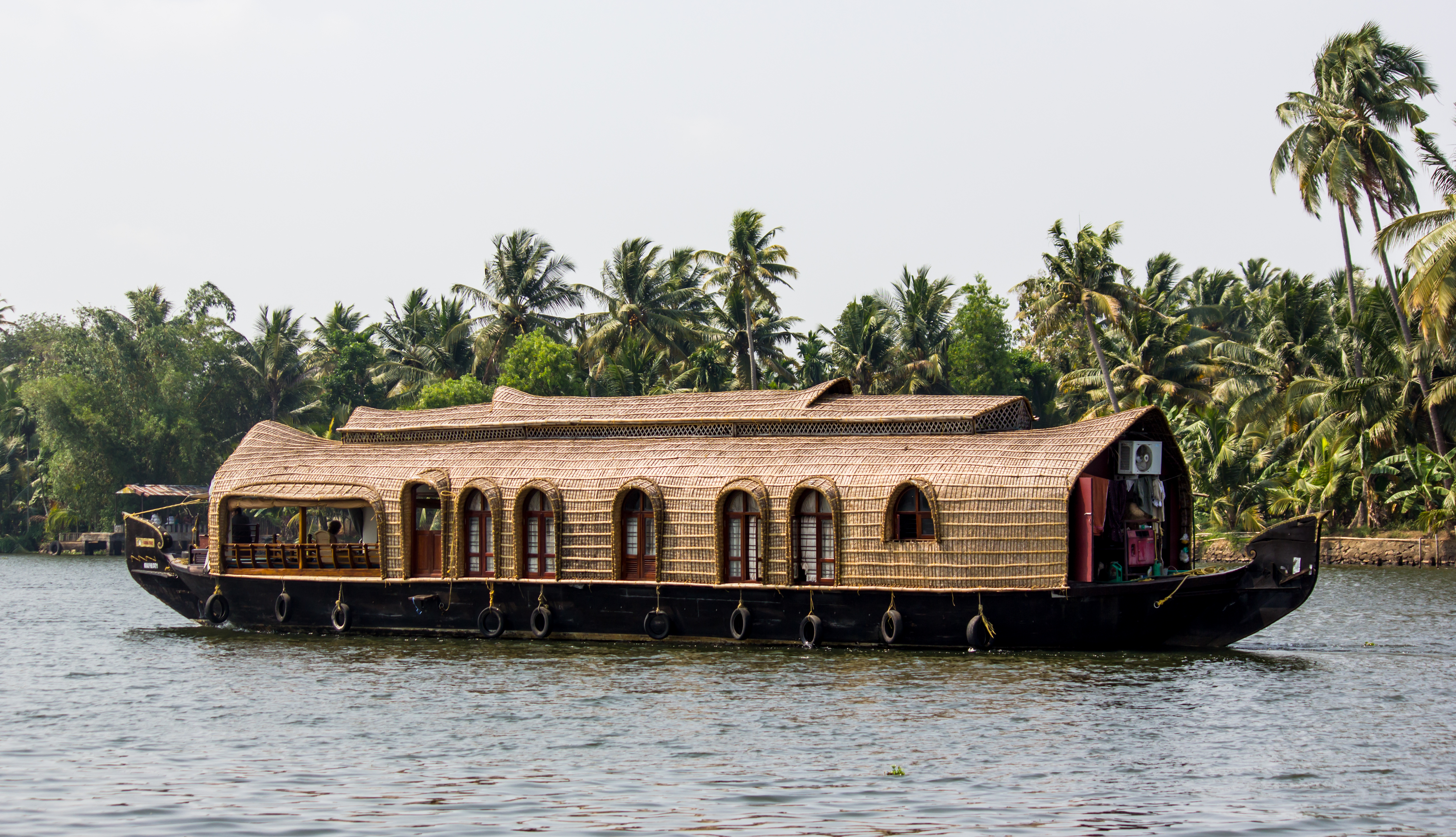
Kerala's unique characteristics lend themselves to several practical applications and areas of study. Its high literacy and health standards serve as a benchmark for human development, influencing policy discussions in other developing regions globally. The state's expertise in Ayurveda and traditional medicine attracts medical tourists and researchers, fostering advancements in holistic healthcare. The backwaters of Kerala have been ingeniously transformed into a major tourist attraction through houseboat tourism, showcasing innovative use of local resources and infrastructure. Furthermore, the state's experience in disaster management, particularly its response to the 2018 floods and the COVID-19 pandemic, provides valuable case studies for emergency preparedness and public health response strategies worldwide.
Key Facts
- Category
- culture
- Type
- place