
Contents
- 🏥 Introduction to Marasmus
- 👶 Causes and Risk Factors of Marasmus
- 📊 Diagnosis and Classification of Marasmus
- 🤕 Clinical Signs and Symptoms of Marasmus
- 🏥 Treatment and Management of Marasmus
- 📈 Prevention of Marasmus
- 🌎 Global Impact of Marasmus
- 👥 Marasmus and Kwashiorkor: Understanding the Difference
- 💡 Current Research and Developments in Marasmus
- 🌟 Future Directions in Marasmus Treatment and Prevention
- 📊 Statistics and Trends in Marasmus
- 👀 Conclusion and Recommendations
- Frequently Asked Questions
- Related Topics
Overview
Marasmus is a severe form of malnutrition characterized by a significant loss of muscle and body mass, resulting from a lack of essential nutrients, including protein, calories, and vitamins. According to the World Health Organization (WHO), marasmus affects approximately 19 million children under the age of five worldwide, with the majority of cases occurring in developing countries. The condition is often caused by a combination of factors, including poverty, conflict, and limited access to healthcare and nutritious food. Marasmus can have long-term consequences, including impaired cognitive development, increased risk of infections, and even death. Researchers, such as Dr. Jean-Pierre Habicht, have been working to develop effective interventions to prevent and treat marasmus, including the use of ready-to-use therapeutic foods (RUTFs). As the global community continues to grapple with the challenges of malnutrition, it is essential to address the root causes of marasmus and work towards a future where all individuals have access to nutritious food and quality healthcare.
🏥 Introduction to Marasmus
Marasmus is a severe form of malnutrition characterized by energy deficiency, which can have devastating consequences on the human body. According to the World Health Organization, marasmus is a significant public health concern, particularly in developing countries. It is essential to understand the causes and risk factors of marasmus, including poverty and food insecurity, to develop effective prevention and treatment strategies. Marasmus can occur in anyone with severe malnutrition, but it usually affects children under the age of one. The United Nations Children's Fund estimates that marasmus is responsible for a significant proportion of child deaths worldwide.
👶 Causes and Risk Factors of Marasmus
The causes and risk factors of marasmus are complex and multifaceted. Malnutrition is a significant risk factor, particularly in areas where food availability is limited. Other risk factors include infectious diseases, such as diarrhea and respiratory infections, which can exacerbate malnutrition. Additionally, socioeconomic factors, such as poverty and lack of education, can contribute to the development of marasmus. The World Bank has identified nutrition as a critical component of economic development, highlighting the need for effective nutrition interventions to prevent marasmus.
📊 Diagnosis and Classification of Marasmus
Diagnosing and classifying marasmus can be challenging, as it often co-occurs with other forms of malnutrition, such as kwashiorkor. However, the World Health Organization has established criteria for diagnosing marasmus, including a body weight of less than 62% of the expected body weight for age. Healthcare professionals use various tools, including anthropometric measurements and clinical examinations, to diagnose and classify marasmus. The Centers for Disease Control and Prevention provide guidance on the diagnosis and management of marasmus, emphasizing the importance of early detection and treatment.
🤕 Clinical Signs and Symptoms of Marasmus
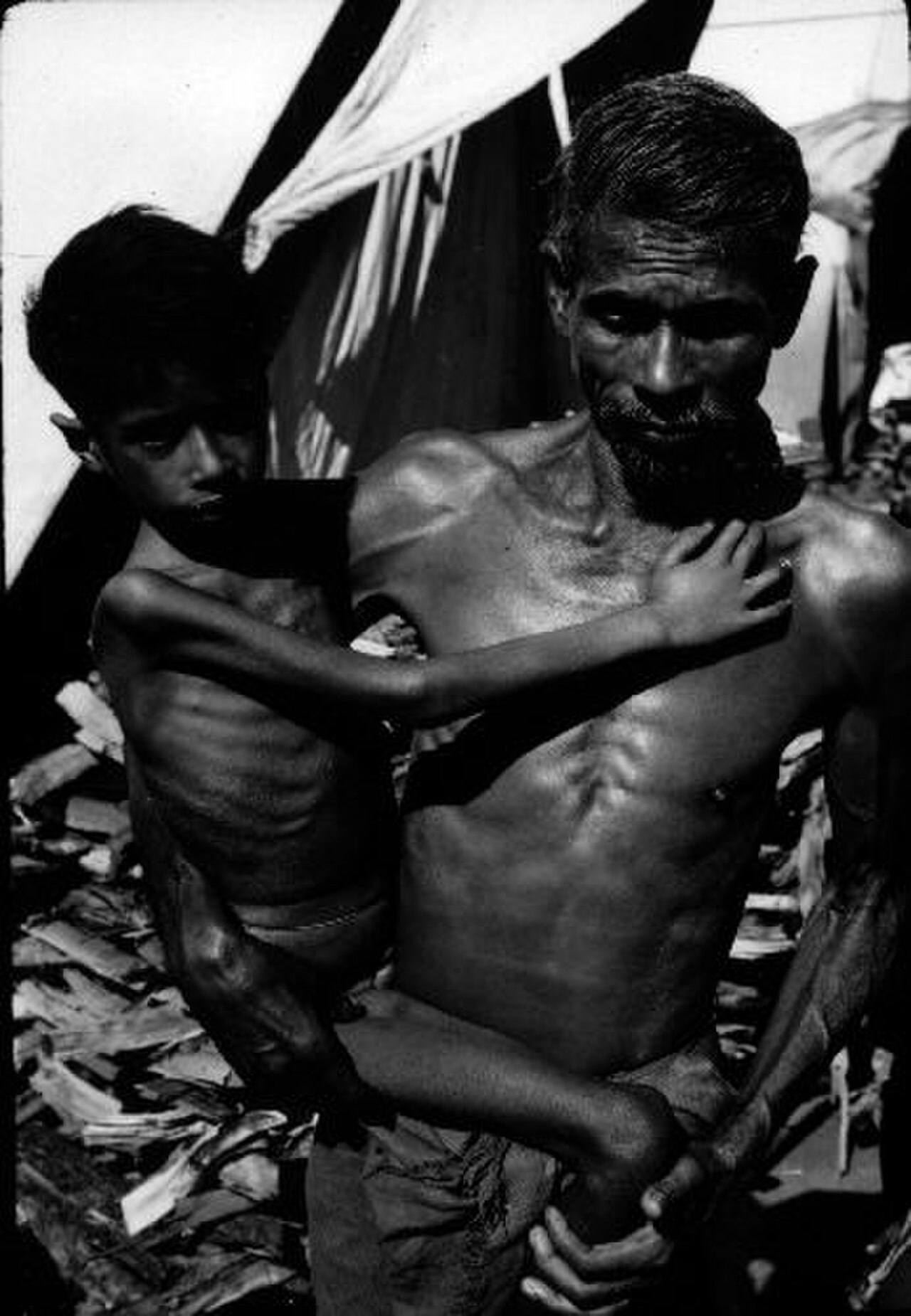
The clinical signs and symptoms of marasmus are distinct from those of kwashiorkor. While kwashiorkor is characterized by edema and ascites, marasmus is marked by muscular wasting and loss of subcutaneous fat. The American Academy of Pediatrics recommends that healthcare professionals be aware of these differences to provide effective treatment and management. Marasmus can also lead to organ dysfunction and increased risk of infections, highlighting the need for prompt medical attention. The National Institutes of Health support research on the pathophysiology of marasmus, aiming to develop more effective treatments.
🏥 Treatment and Management of Marasmus
Treating and managing marasmus requires a comprehensive approach that addresses the underlying causes of malnutrition. The World Health Organization recommends a combination of nutritional support, medical treatment, and psychosocial support. Healthcare professionals should also be aware of the potential complications of marasmus, such as organ failure and increased risk of infections. The United Nations has launched initiatives to improve nutrition and healthcare in developing countries, aiming to reduce the burden of marasmus. The Bill and Melinda Gates Foundation also supports efforts to prevent and treat marasmus, recognizing its impact on child health and development.
📈 Prevention of Marasmus
Preventing marasmus requires a multifaceted approach that addresses the root causes of malnutrition. The Food and Agriculture Organization of the United Nations recommends improving food availability, access to healthcare, and socioeconomic conditions. Additionally, breastfeeding and complementary feeding can help prevent marasmus in infants and young children. The World Health Organization has developed guidelines for the prevention and treatment of marasmus, emphasizing the importance of community-based interventions. The International Rescue Committee works to prevent and treat marasmus in crisis-affected areas, providing critical support to vulnerable populations.
🌎 Global Impact of Marasmus
The global impact of marasmus is significant, with millions of people affected worldwide. According to the World Health Organization, marasmus is responsible for a substantial proportion of child deaths in developing countries. The United Nations has recognized the importance of addressing malnutrition, including marasmus, in its Sustainable Development Goals. The Global Nutrition Report highlights the need for increased investment in nutrition interventions to prevent marasmus and other forms of malnutrition. The World Food Programme works to address hunger and malnutrition, including marasmus, in emergency situations and protracted crises.
👥 Marasmus and Kwashiorkor: Understanding the Difference
Marasmus and kwashiorkor are often confused, but they have distinct causes and clinical presentations. While kwashiorkor is characterized by protein deficiency with adequate energy intake, marasmus is marked by inadequate energy intake in all forms, including protein. The American Journal of Clinical Nutrition has published studies on the differences between marasmus and kwashiorkor, highlighting the importance of accurate diagnosis and treatment. The National Institutes of Health support research on the pathophysiology of both conditions, aiming to develop more effective treatments. The European Journal of Clinical Nutrition also publishes research on marasmus and kwashiorkor, recognizing the need for improved nutrition interventions.
💡 Current Research and Developments in Marasmus
Current research and developments in marasmus are focused on improving diagnosis, treatment, and prevention. The National Institutes of Health support studies on the pathophysiology of marasmus, aiming to develop more effective treatments. The World Health Organization has developed guidelines for the prevention and treatment of marasmus, emphasizing the importance of community-based interventions. The Bill and Melinda Gates Foundation also supports research on marasmus, recognizing its impact on child health and development. The Lancet has published studies on the effectiveness of nutrition interventions in preventing marasmus, highlighting the need for increased investment in nutrition programs.
🌟 Future Directions in Marasmus Treatment and Prevention
Future directions in marasmus treatment and prevention will likely involve a combination of nutritional support, medical treatment, and psychosocial support. The World Health Organization recommends a comprehensive approach to addressing malnutrition, including marasmus. The United Nations has recognized the importance of addressing malnutrition in its Sustainable Development Goals. The Global Nutrition Report highlights the need for increased investment in nutrition interventions to prevent marasmus and other forms of malnutrition. The International Federation of Red Cross and Red Crescent Societies works to address hunger and malnutrition, including marasmus, in emergency situations and protracted crises.
📊 Statistics and Trends in Marasmus
Statistics and trends in marasmus are alarming, with millions of people affected worldwide. According to the World Health Organization, marasmus is responsible for a substantial proportion of child deaths in developing countries. The United Nations has recognized the importance of addressing malnutrition, including marasmus, in its Sustainable Development Goals. The Global Nutrition Report highlights the need for increased investment in nutrition interventions to prevent marasmus and other forms of malnutrition. The World Bank has identified nutrition as a critical component of economic development, highlighting the need for effective nutrition interventions to prevent marasmus.
👀 Conclusion and Recommendations
In conclusion, marasmus is a devastating form of malnutrition that requires a comprehensive approach to prevention and treatment. The World Health Organization recommends a combination of nutritional support, medical treatment, and psychosocial support. The United Nations has recognized the importance of addressing malnutrition, including marasmus, in its Sustainable Development Goals. The Global Nutrition Report highlights the need for increased investment in nutrition interventions to prevent marasmus and other forms of malnutrition. The International Rescue Committee works to prevent and treat marasmus in crisis-affected areas, providing critical support to vulnerable populations.
Key Facts
- Year
- 2022
- Origin
- Ancient Greece, described by Hippocrates (460-370 BCE)
- Category
- Health and Medicine
- Type
- Medical Condition
Frequently Asked Questions
What is marasmus?
Marasmus is a form of severe malnutrition characterized by energy deficiency. It can occur in anyone with severe malnutrition, but it usually affects children under the age of one. The World Health Organization has established criteria for diagnosing marasmus, including a body weight of less than 62% of the expected body weight for age. Marasmus is distinct from kwashiorkor, which is characterized by protein deficiency with adequate energy intake. According to the Centers for Disease Control and Prevention, marasmus is a significant public health concern, particularly in developing countries.
What are the causes and risk factors of marasmus?
The causes and risk factors of marasmus are complex and multifaceted. Malnutrition is a significant risk factor, particularly in areas where food availability is limited. Other risk factors include infectious diseases, such as diarrhea and respiratory infections, which can exacerbate malnutrition. Additionally, socioeconomic factors, such as poverty and lack of education, can contribute to the development of marasmus. The Food and Agriculture Organization of the United Nations recommends improving food availability, access to healthcare, and socioeconomic conditions to prevent marasmus.
How is marasmus diagnosed and classified?
Diagnosing and classifying marasmus can be challenging, as it often co-occurs with other forms of malnutrition, such as kwashiorkor. However, the World Health Organization has established criteria for diagnosing marasmus, including a body weight of less than 62% of the expected body weight for age. Healthcare professionals use various tools, including anthropometric measurements and clinical examinations, to diagnose and classify marasmus. The American Academy of Pediatrics recommends that healthcare professionals be aware of the differences between marasmus and kwashiorkor to provide effective treatment and management.
What are the clinical signs and symptoms of marasmus?
The clinical signs and symptoms of marasmus are distinct from those of kwashiorkor. While kwashiorkor is characterized by edema and ascites, marasmus is marked by muscular wasting and loss of subcutaneous fat. The American Journal of Clinical Nutrition has published studies on the differences between marasmus and kwashiorkor, highlighting the importance of accurate diagnosis and treatment. Marasmus can also lead to organ dysfunction and increased risk of infections, highlighting the need for prompt medical attention. The National Institutes of Health support research on the pathophysiology of marasmus, aiming to develop more effective treatments.
How is marasmus treated and managed?
Treating and managing marasmus requires a comprehensive approach that addresses the underlying causes of malnutrition. The World Health Organization recommends a combination of nutritional support, medical treatment, and psychosocial support. Healthcare professionals should also be aware of the potential complications of marasmus, such as organ failure and increased risk of infections. The United Nations has launched initiatives to improve nutrition and healthcare in developing countries, aiming to reduce the burden of marasmus. The Bill and Melinda Gates Foundation also supports efforts to prevent and treat marasmus, recognizing its impact on child health and development.
Can marasmus be prevented?
Yes, marasmus can be prevented. The Food and Agriculture Organization of the United Nations recommends improving food availability, access to healthcare, and socioeconomic conditions to prevent marasmus. Additionally, breastfeeding and complementary feeding can help prevent marasmus in infants and young children. The World Health Organization has developed guidelines for the prevention and treatment of marasmus, emphasizing the importance of community-based interventions. The International Federation of Red Cross and Red Crescent Societies works to address hunger and malnutrition, including marasmus, in emergency situations and protracted crises.
What is the global impact of marasmus?
The global impact of marasmus is significant, with millions of people affected worldwide. According to the World Health Organization, marasmus is responsible for a substantial proportion of child deaths in developing countries. The United Nations has recognized the importance of addressing malnutrition, including marasmus, in its Sustainable Development Goals. The Global Nutrition Report highlights the need for increased investment in nutrition interventions to prevent marasmus and other forms of malnutrition. The World Bank has identified nutrition as a critical component of economic development, highlighting the need for effective nutrition interventions to prevent marasmus.