
Contents
Overview
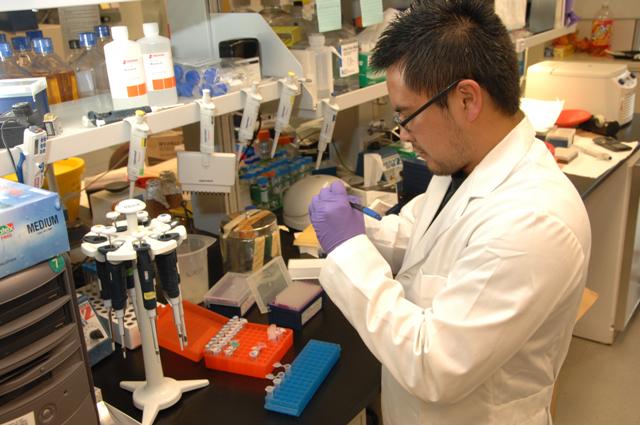
These highly trained professionals, often called medical laboratory scientists (MLS), clinical laboratory scientists (CLS), or medical technologists (MT), are the backbone of modern medicine, operating behind the scenes to ensure the accuracy and reliability of millions of tests performed daily. Their work spans from specimen receipt and processing to complex analytical procedures, quality control, instrument maintenance, and the final validation and reporting of results. The integrity of patient care hinges on their meticulous attention to detail, scientific rigor, and understanding of complex biological and chemical processes. Without their expertise, physicians would lack the fundamental information needed to make informed clinical decisions, making MLS professionals indispensable members of the healthcare team.
🎵 Origins & History
The roots of medical laboratory science stretch back to the earliest days of microscopy and pathology. The development of diagnostic tests for diseases like syphilis and tuberculosis spurred the creation of dedicated laboratory roles. This evolution transformed the role from simple specimen preparation to a sophisticated scientific discipline demanding specialized education and certification.
⚙️ How It Works
At its core, medical laboratory science involves a systematic process of analyzing biological specimens to detect and monitor disease. It begins with the meticulous collection and handling of samples—blood, urine, tissue, cerebrospinal fluid, and more—ensuring their integrity and proper storage. Technologists employ techniques like mass spectrometry and PCR amplification, across various disciplines: hematology (blood disorders), clinical chemistry (metabolic and organ function), microbiology (infectious agents), immunology (immune system function), and transfusion medicine (blood banking). Crucially, every test involves rigorous quality control measures, including running known standards and controls, calibrating automated analyzers, and validating new methodologies. The final step is the interpretation and reporting of results, often requiring the scientist to recognize abnormal patterns and flag critical values for immediate physician attention.
📊 Key Facts & Numbers
The scale of medical laboratory science is staggering. A single hospital laboratory might process thousands of specimens daily, utilizing hundreds of different tests. The average cost per test can range from a few dollars for basic chemistries to hundreds or even thousands for complex genetic analyses or specialized toxicology screens.
👥 Key People & Organizations
Key figures in the development of medical laboratory science include August P. Gronberg, often credited with establishing the first formal laboratory technician training program in the U.S. at Cook County Hospital in Chicago in 1922. Organizations like the American Society for Clinical Pathology (ASCP), founded in 1922, and the American Society for Clinical Laboratory Science (ASCLS), established in 1933, have been instrumental in setting standards, providing education, and advocating for the profession. Major manufacturers of diagnostic equipment and reagents, such as Roche Diagnostics, Abbott Laboratories, and Siemens Healthineers, are also critical entities, driving innovation and providing the tools laboratory scientists use daily. The College of American Pathologists (CAP) plays a vital role in accreditation and quality assurance.
🌍 Cultural Impact & Influence
Medical laboratory science has profoundly shaped public health and individual medical outcomes, often operating as an invisible yet indispensable force. The ability to rapidly diagnose infectious diseases like HIV/AIDS or COVID-19 through laboratory testing has enabled effective public health interventions and saved countless lives. Advances in genetic testing, pioneered by researchers like Francis Collins, allow for early detection of inherited predispositions to diseases such as cystic fibrosis and certain cancers, facilitating personalized medicine. The field's influence extends to forensic science, where DNA profiling, developed by scientists like Sir Alec Jeffreys, has revolutionized criminal investigations. The cultural perception of laboratory professionals, however, often remains that of behind-the-scenes workers, a stark contrast to their critical impact on patient care.
⚡ Current State & Latest Developments
The field is currently experiencing rapid evolution driven by technological advancements and changing healthcare demands. Automation and artificial intelligence are increasingly integrated into laboratory workflows, from robotic sample handling to AI-powered image analysis for pathology and microbiology. Point-of-care testing (POCT) is expanding, allowing for faster results in diverse settings like clinics and emergency rooms. The rise of genomic sequencing and proteomics is enabling more precise diagnostics and targeted therapies. Furthermore, there's a growing emphasis on data analytics and bioinformatics to interpret the massive datasets generated by modern laboratory instruments. The COVID-19 pandemic highlighted both the critical importance and the existing vulnerabilities within laboratory infrastructure, spurring investment and a renewed focus on workforce development and supply chain resilience.
🤔 Controversies & Debates
One persistent controversy revolves around workforce shortages and the perceived lack of professional recognition for medical laboratory scientists. Despite performing complex scientific work, many lab professionals feel their contributions are undervalued compared to other healthcare roles. Debates also arise regarding the scope of practice, particularly concerning the increasing complexity of instrumentation and the potential for advanced practitioners to take on more interpretive roles. The cost and accessibility of advanced diagnostic testing remain a significant ethical and economic challenge, raising questions about equitable healthcare. Furthermore, the validation and implementation of new technologies, especially AI-driven diagnostics, face scrutiny regarding bias, regulatory approval, and ensuring patient safety and data privacy, as seen in discussions surrounding FDA oversight of laboratory-developed tests (LDTs).
🔮 Future Outlook & Predictions
The future of medical laboratory science points towards greater integration with other healthcare disciplines and a more proactive role in patient management. Expect continued expansion of personalized medicine through advanced molecular diagnostics, liquid biopsies, and pharmacogenomics. AI and machine learning will likely become standard tools for data interpretation, predictive diagnostics, and workflow optimization, potentially leading to earlier disease detection and more accurate prognoses. The development of novel biosensors and wearable diagnostic devices could enable continuous health monitoring outside traditional laboratory settings. There's also a push towards more decentralized laboratory testing, bringing advanced diagnostics closer to the patient. Workforce development will remain crucial, with a need for professionals skilled in data science, bioinformatics, and emerging technologies.
💡 Practical Applications
Medical laboratory science has a vast array of practical applications across virtually every facet of healthcare and beyond. In clinical settings, it's fundamental for diagnosing infections (e.g., strep throat testing), monitoring chronic conditions (e.g., HbA1c for di
Key Facts
- Category
- science
- Type
- topic