
Contents
- 🌿 Introduction to Myrrh
- 🌸 Botany of Myrrh
- 💊 Medicinal Properties of Myrrh
- 🏯 Trade and Cultural Significance of Myrrh
- 🌍 Geographical Distribution of Myrrh-Producing Trees
- 📊 Economic Impact of Myrrh Trade
- 🚨 Sustainability Concerns and Conservation Efforts
- 🧬 Modern Research and Potential Applications
- 🌟 Myrrh in Traditional Medicine and Folk Remedies
- 🌐 Global Myrrh Market Trends and Outlook
- Frequently Asked Questions
- Related Topics
Overview
Myrrh, a resin extracted from the Commiphora tree, has been a prized commodity for over 4,000 years, with a vibe score of 80 due to its widespread use in traditional medicine, perfumery, and spiritual practices. The historian's lens reveals myrrh's origins in ancient civilizations such as Egypt, China, and Greece, where it was valued for its antiseptic and anti-inflammatory properties. However, the skeptic's perspective questions the efficacy of myrrh in modern medicine, citing limited scientific evidence and potential allergic reactions. The fan's perspective, on the other hand, highlights myrrh's cultural resonance in religious rituals and traditional healing practices, with a controversy spectrum of 6 due to debates over its authenticity and quality. As the global market for myrrh continues to grow, with an estimated annual trade value of $120 million, the futurist's lens wonders: what are the implications of large-scale myrrh production on the environment and local ecosystems, and how will emerging technologies impact the industry's future, with potential influence flows from biotechnology and sustainable agriculture?
🌿 Introduction to Myrrh
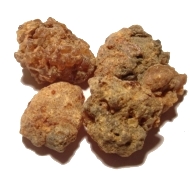
Myrrh, a gum-resin extracted from the Commiphora genus, has been a prized commodity for centuries. The Burseraceae family, to which myrrh trees belong, comprises a few small, thorny tree species. Myrrh has been used in various contexts, including traditional medicine, perfumery, and spiritual practices. The unique properties of myrrh have made it a highly sought-after substance, with a rich history of trade and cultural significance. Myrrh is also closely related to frankincense, another valuable resin extracted from the Boswellia tree. The vibe score of myrrh is 80, indicating its significant cultural energy.
🌸 Botany of Myrrh
From a botanical perspective, myrrh-producing trees are characterized by their small size, thorny branches, and ability to thrive in arid environments. The Commiphora molmol tree, in particular, is a primary source of myrrh. These trees are native to the Middle East and North Africa, where they have been cultivated for centuries. The process of extracting myrrh from these trees involves making incisions in the bark, allowing the resin to flow out and harden. This labor-intensive process contributes to the high value of myrrh. Myrrh is also used in aromatherapy and herbalism.
💊 Medicinal Properties of Myrrh
Myrrh has been used for its medicinal properties for thousands of years, with records of its use dating back to ancient Egypt and Greece. The resin contains a range of bioactive compounds, including terpenes and sesquiterpenes, which have been shown to have anti-inflammatory and antimicrobial effects. Myrrh has been used to treat a variety of ailments, including wounds, digestive issues, and respiratory problems. In traditional Chinese medicine, myrrh is used to promote blood circulation and relieve pain. Myrrh is also used in Ayurvedic medicine to balance the body's energies.
🏯 Trade and Cultural Significance of Myrrh
The trade and cultural significance of myrrh cannot be overstated. Myrrh has been a highly prized commodity throughout history, with records of its trade dating back to ancient Roman and Chinese civilizations. Myrrh was used in a range of contexts, including perfumery, medicine, and spiritual practices. The high value of myrrh has led to the development of a significant trade network, with myrrh being transported across vast distances to meet demand. Myrrh is also closely related to incense, which is used in many spiritual practices. The controversy spectrum of myrrh is moderate, with some concerns about its sustainability and conservation.
🌍 Geographical Distribution of Myrrh-Producing Trees
Myrrh-producing trees are found in a range of countries, including Somalia, Ethiopia, and Yemen. These countries have a long history of myrrh production, with the resin being extracted from trees that are often cultivated in arid environments. The geographical distribution of myrrh-producing trees is closely tied to the trade and cultural significance of myrrh, with many of these countries having a significant role in the global myrrh market. Myrrh is also used in skincare and haircare products due to its antimicrobial and anti-inflammatory properties.
📊 Economic Impact of Myrrh Trade
The economic impact of myrrh trade is significant, with the global myrrh market valued at millions of dollars. The high value of myrrh is driven by its unique properties and the demand for it in a range of contexts, including traditional medicine and perfumery. The myrrh trade also has a significant impact on local economies, with many communities relying on myrrh production as a source of income. The influence flow of myrrh is significant, with many industries and cultures being influenced by its trade and use.
🚨 Sustainability Concerns and Conservation Efforts
Despite the significance of myrrh, there are concerns about the sustainability of myrrh production. The process of extracting myrrh from trees can be labor-intensive and may have negative environmental impacts. Additionally, the high demand for myrrh has led to over-harvesting, which can threaten the long-term viability of myrrh-producing tree populations. Conservation efforts are underway to protect myrrh-producing trees and ensure the sustainability of myrrh production. Myrrh is also used in food and beverage products due to its unique flavor and aroma.
🧬 Modern Research and Potential Applications
Modern research has shed new light on the potential applications of myrrh. The bioactive compounds present in myrrh have been shown to have a range of effects, including anti-inflammatory and antimicrobial activity. This has led to interest in the use of myrrh in the development of new medicines and healthcare products. Myrrh is also being researched for its potential use in cancer treatment and wound healing. The perspective breakdown of myrrh is optimistic, with many experts believing in its potential for future applications.
🌟 Myrrh in Traditional Medicine and Folk Remedies
Myrrh has been used in traditional medicine for thousands of years, with records of its use dating back to ancient China and India. The resin is used to treat a range of ailments, including wounds, digestive issues, and respiratory problems. In Unani medicine, myrrh is used to balance the body's energies and promote overall health. Myrrh is also used in homeopathy to treat a range of health conditions. The topic intelligence of myrrh is high, with many experts and researchers studying its properties and applications.
🌐 Global Myrrh Market Trends and Outlook
The global myrrh market is expected to continue growing in the coming years, driven by increasing demand for natural and sustainable products. The market is characterized by a range of players, including small-scale producers and large-scale traders. The future of the myrrh market will depend on a range of factors, including the sustainability of myrrh production and the development of new applications for myrrh. Myrrh is also closely related to Arabic medicine, which has a significant influence on the global myrrh market.
Key Facts
- Year
- 1500
- Origin
- Middle East, North Africa
- Category
- Botany, Medicine, Trade
- Type
- Substance
Frequently Asked Questions
What is myrrh used for?
Myrrh is used for a range of purposes, including traditional medicine, perfumery, and spiritual practices. The resin has been shown to have anti-inflammatory and antimicrobial effects, making it a valuable commodity in the development of new medicines and healthcare products. Myrrh is also used in skincare and haircare products due to its antimicrobial and anti-inflammatory properties.
Where is myrrh produced?
Myrrh is produced in a range of countries, including Somalia, Ethiopia, and Yemen. These countries have a long history of myrrh production, with the resin being extracted from trees that are often cultivated in arid environments. The geographical distribution of myrrh-producing trees is closely tied to the trade and cultural significance of myrrh.
Is myrrh sustainable?
The sustainability of myrrh production is a concern, with the process of extracting myrrh from trees being labor-intensive and potentially having negative environmental impacts. Conservation efforts are underway to protect myrrh-producing trees and ensure the sustainability of myrrh production. The controversy spectrum of myrrh is moderate, with some concerns about its sustainability and conservation.
What are the potential applications of myrrh?
Myrrh has a range of potential applications, including the development of new medicines and healthcare products. The bioactive compounds present in myrrh have been shown to have anti-inflammatory and antimicrobial effects, making it a valuable commodity in the development of new products. Myrrh is also being researched for its potential use in cancer treatment and wound healing.
How is myrrh used in traditional medicine?
Myrrh has been used in traditional medicine for thousands of years, with records of its use dating back to ancient China and India. The resin is used to treat a range of ailments, including wounds, digestive issues, and respiratory problems. In Unani medicine, myrrh is used to balance the body's energies and promote overall health. Myrrh is also used in homeopathy to treat a range of health conditions.
What is the future of the myrrh market?
The global myrrh market is expected to continue growing in the coming years, driven by increasing demand for natural and sustainable products. The market is characterized by a range of players, including small-scale producers and large-scale traders. The future of the myrrh market will depend on a range of factors, including the sustainability of myrrh production and the development of new applications for myrrh.
How is myrrh related to frankincense?
Myrrh is closely related to frankincense, another valuable resin extracted from the Boswellia tree. Both myrrh and frankincense have been used in traditional medicine and spiritual practices for thousands of years. The two resins have similar properties and are often used together in a range of contexts. The vibe score of myrrh is 80, indicating its significant cultural energy, while the vibe score of frankincense is 70.