
Contents
Overview
Native American cuisine encompasses the diverse food traditions of the Indigenous peoples of the Americas, predating European contact by thousands of years. It is fundamentally rooted in the 'Three Sisters' – maize, beans, and squash – alongside a vast array of wild game, fish, foraged plants, and nuts, all adapted to specific regional ecologies. Post-contact, this cuisine evolved, incorporating new ingredients and techniques, leading to iconic dishes like frybread, which, while controversial, represents a complex history of survival and cultural adaptation. Today, there's a significant movement to revitalize traditional foodways, emphasizing ancestral knowledge, sustainability, and the health benefits of heirloom ingredients, reconnecting contemporary Indigenous communities with their culinary heritage.
🎵 Origins & History
The culinary landscape of Native American cuisine is as ancient as it is varied. Pre-Columbian diets were dictated by geography, with coastal peoples relying heavily on seafood, Plains tribes on bison, and woodland communities on game, nuts, and cultivated crops. The domestication of maize (corn) was a pivotal development that spread northward, becoming a staple for many North American tribes. Alongside maize, beans and squash formed the foundational 'Three Sisters' agricultural system, a symbiotic planting technique that maximized yield and soil fertility. This sophisticated understanding of agriculture and ecology allowed for the development of distinct culinary traditions across hundreds of distinct Indigenous nations, each with unique ingredients and preparation methods.
⚙️ How It Works
At its core, Native American cuisine is an exercise in resourcefulness and ecological harmony. Preparation methods often involved slow cooking, smoking, drying, and fermenting to preserve food and enhance flavor. For instance, the process of nixtamalization, treating maize with an alkaline solution (like ash or lime), unlocked essential nutrients like niacin and amino acids, making it more digestible and preventing pellagra. This technique, developed by ancient Mesoamerican peoples, was crucial for the widespread success of maize-based diets. Cooking vessels ranged from intricately woven baskets used for boiling with hot stones to carved stone bowls and, later, pottery. The preparation of pemmican, a concentrated mixture of dried meat, fat, and berries, exemplifies the ingenuity in creating portable, high-energy food for long journeys or lean times.
📊 Key Facts & Numbers
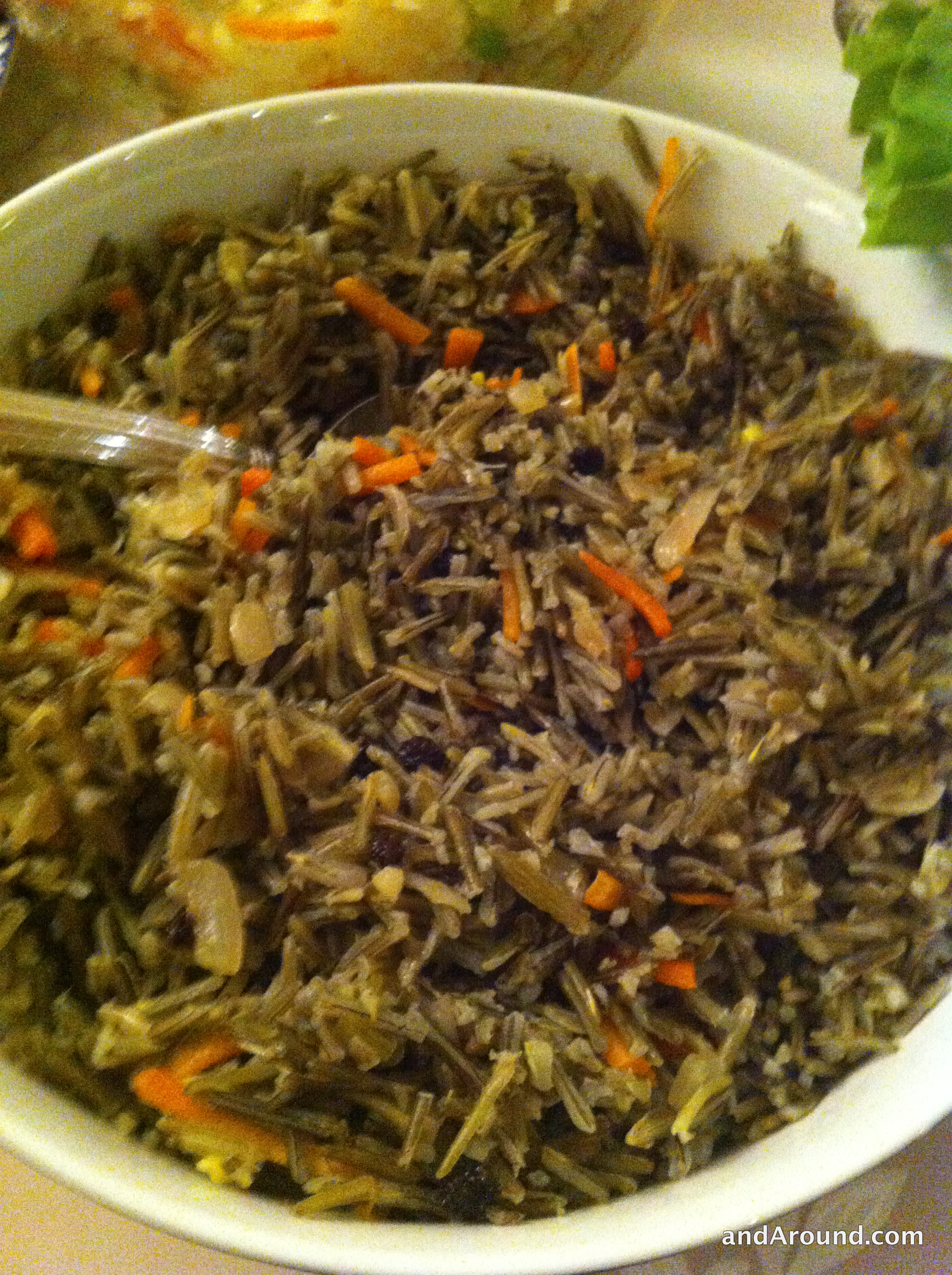
The agricultural output of Indigenous peoples was staggering. The sunflower provided oil and seeds. Wild rice, a staple for many Anishinaabe communities in the Great Lakes region, can yield up to 1,000 pounds per acre in ideal conditions, showcasing the abundance of naturally occurring food sources.
👥 Key People & Organizations
Numerous individuals and organizations are at the forefront of preserving and revitalizing Native American culinary traditions. Sean Sherman (Oglala Lakota), founder of The Sioux Chef and Native American Foodways, has been instrumental in promoting Indigenous ingredients and culinary education through his restaurants, cookbooks, and workshops. The Native American Agriculture Fund supports Indigenous farmers and ranchers, fostering a new generation of food producers. Organizations like The Intertribal Agriculture Council advocate for Indigenous agricultural sovereignty and provide resources for land management and food systems. Historical figures like Ignatia Broker (Osage), a storyteller and activist, also preserved cultural knowledge, including foodways, through her writings and activism in the early 20th century.
🌍 Cultural Impact & Influence
Native American cuisine has profoundly influenced broader culinary landscapes, particularly in the United States. Ingredients like corn, beans, squash, tomatoes, potatoes, and chili peppers, all domesticated by Indigenous peoples, are now global staples. Dishes such as cornbread, succotash, and turkey dinners have become integral to American holiday traditions. The adoption of frybread, though a product of historical hardship (often made from government-issued flour and lard), has become a ubiquitous symbol at powwows and cultural gatherings, representing both resilience and a complex relationship with imposed diets. The growing interest in heirloom varieties and ancestral foodways reflects a broader cultural appreciation for the origins and sustainability of food.
⚡ Current State & Latest Developments
The contemporary scene is marked by a powerful resurgence of Indigenous foodways. Chefs like Crystal Wahpepah (Kickapoo) are gaining national recognition for their innovative interpretations of traditional dishes, with Wahpepah's Kitchen becoming the first Indigenous-owned restaurant to be featured on The Food Network. There's a concerted effort to reintroduce and cultivate ancestral crops, moving away from processed foods and reconnecting with the land. Initiatives like the Great Lakes Indigenous Food Sovereignty Summit bring together communities to share knowledge on sustainable farming, wild foraging, and traditional food preservation. The focus is increasingly on health, cultural continuity, and economic empowerment through food.
🤔 Controversies & Debates
The most significant controversy surrounding Native American cuisine often centers on frybread. While a beloved and culturally significant food for many, its origins are tied to the forced displacement and rations provided to tribes during the reservation era, leading some to view it as a symbol of oppression and unhealthy, imposed diets. Critics argue that its prevalence overshadows the vast diversity of pre-contact and more nutritionally sound traditional foods. Another debate revolves around the appropriation of Indigenous ingredients and culinary techniques by non-Indigenous chefs and food companies, raising questions about fair compensation, cultural respect, and the commodification of heritage.
🔮 Future Outlook & Predictions
The future of Native American cuisine appears bright, driven by a renewed commitment to ancestral knowledge and sustainability. We can expect to see a continued rise in Indigenous-owned restaurants, food businesses, and agricultural enterprises. The emphasis on heirloom seeds and traditional farming practices will likely lead to greater biodiversity in food systems and a stronger connection to regional ecologies. Educational programs focused on Indigenous culinary arts and nutrition will become more widespread, empowering younger generations. Furthermore, as global awareness of food sovereignty and sustainable agriculture grows, Native American foodways are poised to offer valuable insights and models for resilient food systems worldwide.
💡 Practical Applications
Native American culinary knowledge offers practical applications across various domains. Indigenous agricultural techniques, such as companion planting and water conservation methods, provide sustainable models for modern farming. The study of traditional diets offers insights into nutritional science, highlighting the health benefits of whole, unprocessed foods and heirloom varieties. Foraging and wildcrafting skills, honed over millennia, can inform sustainable land management and biodiversity conservation efforts. Furthermore, the revitalization of traditional food preparation and preservation methods can offer solutions for food security and resilience in diverse communities.
Key Facts
- Category
- culture
- Type
- concept