
Contents
- 🎵 Origins & History
- ⚙️ How It Works: From Nitrate to Nitric Oxide
- 📊 Key Facts & Numbers
- 👥 Key People & Organizations
- 🌍 Cultural Impact & Influence
- ⚡ Current State & Latest Developments
- 🤔 Controversies & Debates
- 🔮 Future Outlook & Predictions
- 💡 Practical Applications
- 📚 Related Topics & Deeper Reading
- References
Overview
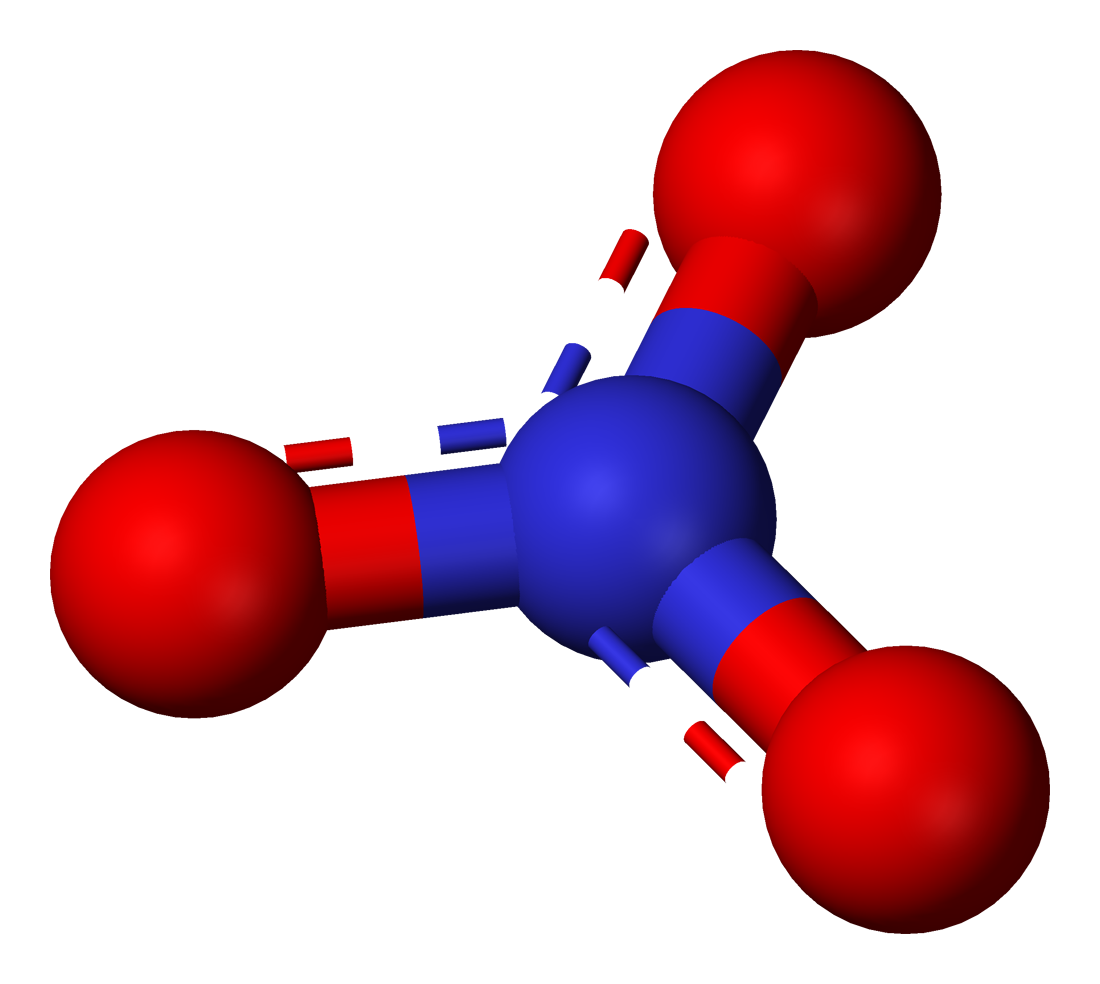
The story of nitrate in vegetables is as old as agriculture itself, with ancient civilizations recognizing the fertility-boosting power of nitrogen-rich compounds in soil, often derived from animal waste and decaying organic matter. Early farmers intuitively understood that certain crops thrived in specific soils, a phenomenon now understood to be linked to nitrogen uptake, including nitrate. The scientific isolation and identification of nitrate as a distinct chemical entity, NO₃⁻, gained traction in the 18th and 19th centuries with advancements in chemistry. However, the specific physiological role of dietary nitrate, particularly its conversion to nitric oxide, remained largely a mystery until the late 20th century. Landmark research in the 1980s and 1990s, notably by scientists like Dr. Ferid Murad (who later won a Nobel Prize for his work on nitric oxide), began to unravel the complex signaling pathways involving NO. This scientific awakening paved the way for a deeper appreciation of vegetables like spinach, arugula, and beetroot not just as sources of vitamins, but as potent physiological modulators.
⚙️ How It Works: From Nitrate to Nitric Oxide
The magic of nitrate-rich vegetables lies in their metabolic journey within the human body. When consumed, inorganic nitrate (NO₃⁻) is absorbed into the bloodstream. A significant portion of this nitrate is then reduced to nitrite (NO₂⁻) by oral bacteria in the mouth. This nitrite is subsequently converted into nitric oxide (NO) in the stomach and other tissues. Nitric oxide is a potent vasodilator, meaning it relaxes and widens blood vessels, which directly contributes to improved blood flow and a reduction in blood pressure. This process is crucial for delivering oxygen and nutrients throughout the body and is a key mechanism behind the cardiovascular benefits associated with these vegetables. The efficiency of this conversion can be influenced by factors such as oral hygiene and the presence of certain enzymes, highlighting the intricate biological interplay at play.
📊 Key Facts & Numbers
Globally, spinach is often cited as one of the most nitrate-dense vegetables, with some varieties containing upwards of 300-400 mg of nitrate per 100 grams. Beetroot is another powerhouse, frequently registering over 150 mg per 100 grams, and its juice is a popular supplement for athletes. Arugula can also contain substantial amounts, often exceeding 200 mg per 100 grams. Studies suggest that consuming just 200-300 grams of nitrate-rich vegetables daily can significantly increase plasma nitrate and nitrite levels, leading to measurable improvements in blood pressure, with reductions of up to 5 mmHg in systolic blood pressure reported in some trials. The average daily intake of dietary nitrate from vegetables in Western populations is estimated to be around 50-100 mg, but optimal intake for health benefits may be considerably higher, potentially reaching 200-300 mg or more. For context, a single serving of beetroot juice can provide this amount.
👥 Key People & Organizations
The scientific exploration of dietary nitrate's health benefits has been spearheaded by numerous researchers and institutions. Dr. Ferid Murad, a Nobel laureate, laid crucial groundwork with his research on nitric oxide's role in cardiovascular function, though his primary focus wasn't specifically dietary nitrate. More contemporary figures like Dr. Andrew Jones at the University of Exeter have been instrumental in demonstrating the ergogenic (performance-enhancing) effects of beetroot juice and other nitrate-rich vegetable sources in athletes. Organizations such as the European Food Safety Authority (EFSA) and the U.S. Food and Drug Administration (FDA) have established acceptable daily intake levels for nitrates and nitrites, primarily due to concerns about potential carcinogenicity from high levels of nitrites, though the context of dietary nitrate from vegetables is generally viewed more favorably. Research institutions like UC Davis and Oxford University continue to publish studies exploring the nuanced health impacts.
🌍 Cultural Impact & Influence
The cultural perception of leafy greens has evolved from being mere side dishes to being recognized as vital components of a health-conscious lifestyle. The 'superfood' status often bestowed upon vegetables like kale, spinach, and beetroot is largely driven by their nutrient density, including their nitrate content. This has influenced dietary recommendations from health organizations worldwide, promoting increased vegetable consumption. Furthermore, the rise of athletic performance enhancement through natural means has propelled nitrate-rich vegetables, particularly beetroot juice, into the mainstream sports nutrition landscape. Social media platforms and wellness influencers frequently highlight these vegetables, creating trends and driving consumer demand for products perceived to offer significant health advantages. The visual appeal of vibrant greens and reds also contributes to their cultural resonance in food media and marketing.
⚡ Current State & Latest Developments
The current landscape sees a growing interest in optimizing dietary nitrate intake for both general health and athletic performance. Research is actively exploring the synergistic effects of nitrates with other compounds found in vegetables, such as antioxidants and polyphenols, to understand their combined impact on health. There's also a burgeoning market for concentrated beetroot juice and other nitrate-rich vegetable supplements, catering to consumers seeking convenient ways to boost their intake. Furthermore, agricultural science is investigating methods to cultivate vegetables with higher, yet safe, nitrate concentrations, potentially through soil management and breeding programs. The ongoing debate about the balance between the benefits of dietary nitrate and the potential risks of nitrite formation continues to inform public health guidelines and consumer choices.
🤔 Controversies & Debates
A significant controversy surrounding nitrate-rich vegetables centers on the potential for dietary nitrate to be converted into carcinogenic N-nitroso compounds (NOCs), particularly under certain conditions like high-heat cooking or in individuals with compromised gut health. While the conversion of nitrate to beneficial nitric oxide is a primary pathway, the formation of nitrite and subsequently NOCs is a valid concern. Regulatory bodies like EFSA have set strict limits on nitrates in processed foods and drinking water due to these concerns. However, many scientific reviews suggest that the benefits of dietary nitrate from vegetables, especially when consumed with vitamin C-rich foods (which inhibit NOC formation), far outweigh the potential risks for the general population. The debate often hinges on the source of nitrate (vegetable vs. processed meat), the presence of other protective compounds in vegetables, and individual metabolic differences.
🔮 Future Outlook & Predictions
The future of nitrate-rich vegetables appears bright, with ongoing research likely to uncover even more health benefits. We can anticipate more personalized dietary recommendations based on individual responses to dietary nitrate. The development of 'nitrate-optimized' vegetable varieties through advanced agricultural techniques could become more common, offering consumers higher concentrations of beneficial compounds. Furthermore, the integration of nitrate-rich vegetables into therapeutic dietary interventions for conditions like hypertension, cognitive decline, and even certain inflammatory diseases is a promising avenue. The sports nutrition sector will likely continue to innovate with nitrate-based products, potentially leading to new formulations and delivery systems. Ultimately, the trend points towards a deeper understanding and utilization of these humble plants for optimizing human health and performance.
💡 Practical Applications
The practical applications of nitrate-rich vegetables are diverse and impactful. For cardiovascular health, regular consumption is recommended to help manage blood pressure and improve endothelial function, benefiting individuals with hypertension or at risk of heart disease. In sports nutrition, beetroot juice and other nitrate-rich vegetable ext
Key Facts
- Category
- science
- Type
- topic