
Contents
- 🫁 What is Occupational Lung Disease?
- 🏭 Who is at Risk? Industries & Exposures
- 🔍 Symptoms and Diagnosis: The Hidden Clues
- ⚖️ Legal & Compensation Avenues
- 🛡️ Prevention: The First Line of Defense
- 💡 Research & Future Directions
- 📚 Resources for Workers and Employers
- ❓ Frequently Asked Questions
- Frequently Asked Questions
- Related Topics
Overview
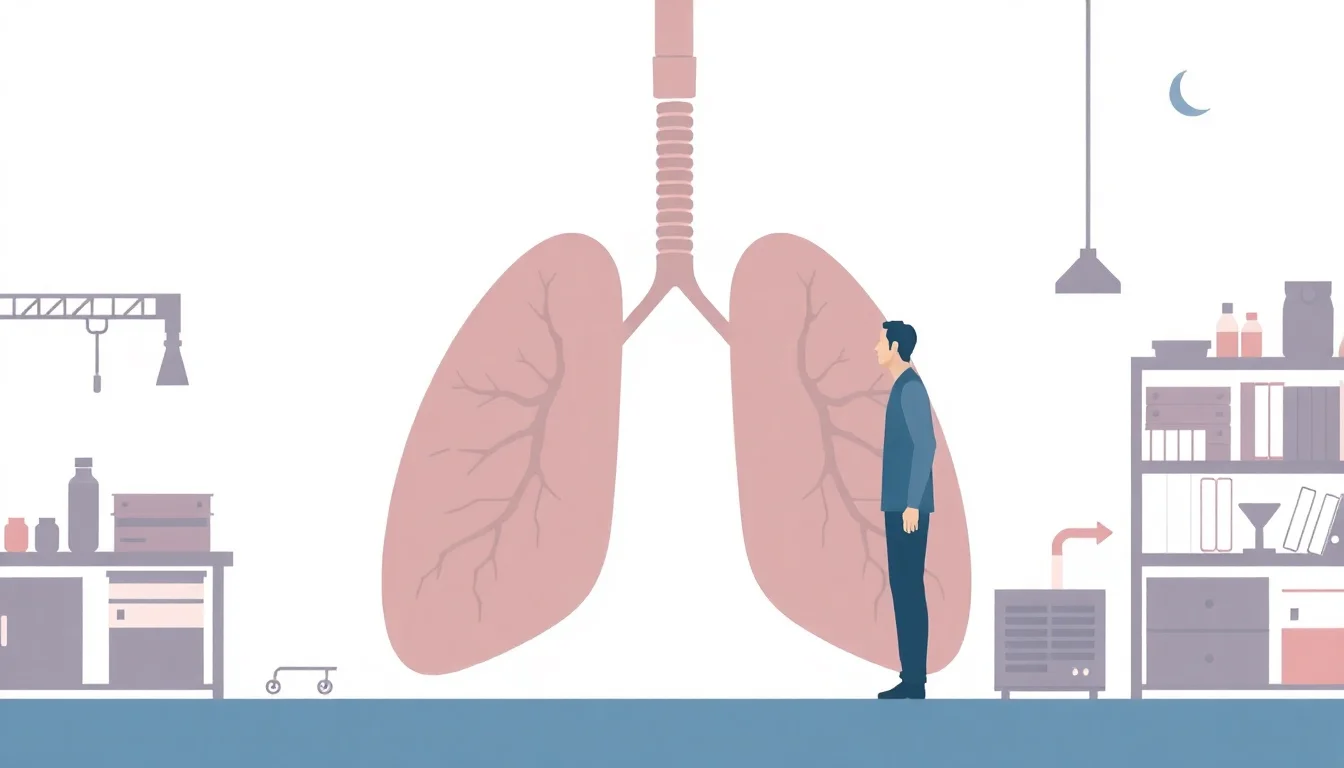
Occupational lung diseases are a grim reminder that many jobs carry risks beyond the obvious. These conditions, ranging from asbestosis and silicosis to occupational asthma and hypersensitivity pneumonitis, stem from prolonged exposure to dusts, fumes, and gases in the workplace. Historically, industries like mining, construction, and manufacturing have been hotspots, but modern workplaces can harbor hidden dangers too. The insidious nature of these diseases means symptoms often appear years after exposure, making diagnosis and prevention critical. Understanding the specific hazards in your work environment is the first step toward safeguarding your respiratory health.
🫁 What is Occupational Lung Disease?
Occupational lung disease isn't a single ailment but a constellation of debilitating conditions directly linked to the workplace. Think occupational asthma, industrial bronchitis, and the more insidious interstitial lung diseases like silicosis and asbestosis. These diseases arise from inhaling a cocktail of harmful agents – from fine dusts and chemical fumes to biological proteins and infectious organisms. The insidious nature of these conditions often means they are misdiagnosed, masquerading as more common ailments like COPD or idiopathic pulmonary fibrosis, delaying crucial identification of the workplace culprit.
🏭 Who is at Risk? Industries & Exposures
The risk of occupational lung disease spans a vast industrial spectrum. Construction workers face silica and asbestos dust, while agricultural workers can inhale mold spores and animal dander, leading to hypersensitivity pneumonitis. Metalworkers and welders contend with fumes and metal particles, and those in chemical manufacturing or healthcare settings might be exposed to volatile organic compounds or infectious agents. Even seemingly benign environments can harbor risks; for instance, office workers can be affected by poor ventilation and mold growth, contributing to building-related illness. The sheer variety of exposures means vigilance is required across nearly every sector.
⚖️ Legal & Compensation Avenues
Navigating the legal and compensation landscape for occupational lung disease can be a labyrinth. Workers' compensation systems are designed to provide benefits for work-related illnesses, but proving the link between employment and disease can be challenging, especially with long latency periods. Mesothelioma, a particularly aggressive cancer, is almost exclusively linked to asbestos exposure and has specific legal frameworks. Understanding your rights and the process for filing claims, which may involve workers' compensation boards or specific legal counsel, is paramount for securing necessary medical care and financial support.
🛡️ Prevention: The First Line of Defense
The most effective strategy against occupational lung disease is robust prevention. This begins with employers implementing strict exposure controls, such as effective ventilation systems, dust suppression techniques, and the use of appropriate personal protective equipment (PPE) like respirators. Regular workplace monitoring for airborne contaminants and comprehensive employee training on hazard recognition and safe work practices are non-negotiable. A proactive approach, prioritizing worker health over production, is the bedrock of preventing these preventable illnesses.
💡 Research & Future Directions
Research continues to illuminate the complex mechanisms behind occupational lung diseases and to develop more sensitive diagnostic tools. Efforts are underway to better understand the long-term effects of emerging workplace exposures, such as those in the nanotechnology or advanced manufacturing sectors. The development of targeted therapies and improved screening protocols are also key areas of focus. The ultimate goal is to shift the paradigm from treatment to pre-emption, making occupational lung disease a relic of the past.
📚 Resources for Workers and Employers
For workers experiencing concerning respiratory symptoms, consulting a pulmonary specialist with expertise in occupational medicine is vital. Organizations like the American Lung Association offer public resources and information. Employers can find guidance on implementing safety protocols and compliance from agencies such as the Occupational Safety and Health Administration (OSHA) in the United States, or equivalent bodies internationally. Educational materials on specific hazards, like silica dust or asbestos awareness, are widely available.
❓ Frequently Asked Questions
What are the most common occupational lung diseases? The most prevalent include occupational asthma, industrial bronchitis, COPD exacerbated by workplace exposures, and various forms of interstitial lung disease such as silicosis and asbestosis. How quickly do symptoms appear? Symptoms can appear within weeks of exposure for some conditions like occupational asthma, while others, like asbestosis or lung cancer from asbestos, can take decades to manifest after initial exposure. Can occupational lung disease be cured? While some conditions, like mild occupational asthma, may improve with removal from exposure, many occupational lung diseases, particularly fibrotic interstitial lung diseases, are irreversible and progressive, focusing treatment on symptom management and slowing progression. What is the difference between occupational lung disease and general lung disease? Occupational lung disease is specifically caused by exposures encountered during employment, whereas general lung disease can stem from a variety of factors including genetics, lifestyle (e.g., smoking), and environmental exposures unrelated to work. Is it possible to get compensation for an occupational lung disease? Yes, in many jurisdictions, workers are eligible for workers' compensation benefits, which can cover medical expenses, lost wages, and disability. The process and eligibility criteria vary by region and specific case details. What role does smoking play? Smoking significantly exacerbates the risk and severity of many occupational lung diseases, often leading to a synergistic effect that accelerates lung damage and increases the likelihood of developing conditions like lung cancer.
Key Facts
- Year
- 1900
- Origin
- The recognition of occupational lung diseases dates back centuries, with early descriptions of 'miner's lung' appearing in the 16th century. However, systematic study and classification gained momentum in the late 19th and early 20th centuries as industrialization boomed, exposing more workers to novel hazards. Key figures like Dr. Alice Hamilton in the US and Dr. W. E. Cooke in the UK were instrumental in documenting these conditions and advocating for worker safety regulations.
- Category
- Health & Safety
- Type
- Topic
Frequently Asked Questions
What are the most common occupational lung diseases?
The most prevalent include occupational asthma, industrial bronchitis, COPD exacerbated by workplace exposures, and various forms of interstitial lung disease such as silicosis and asbestosis. These conditions arise from inhaling specific airborne hazards encountered on the job.
How quickly do symptoms of occupational lung disease appear?
Symptoms can appear within weeks of exposure for some conditions like occupational asthma, while others, like asbestosis or lung cancer from asbestos, can take decades to manifest after initial exposure. The latency period is highly dependent on the specific disease and the nature of the exposure.
Can occupational lung disease be cured?
While some conditions, like mild occupational asthma, may improve with removal from exposure, many occupational lung diseases, particularly fibrotic interstitial lung diseases, are irreversible and progressive. Treatment focuses on symptom management, slowing progression, and improving quality of life.
What is the difference between occupational lung disease and general lung disease?
Occupational lung disease is specifically caused by exposures encountered during employment, whereas general lung disease can stem from a variety of factors including genetics, lifestyle (e.g., smoking), and environmental exposures unrelated to work. The key differentiator is the workplace origin.
Is it possible to get compensation for an occupational lung disease?
Yes, in many jurisdictions, workers are eligible for workers' compensation benefits, which can cover medical expenses, lost wages, and disability. The process and eligibility criteria vary by region and specific case details, often requiring proof of employment-related causation.
What role does smoking play in occupational lung disease?
Smoking significantly exacerbates the risk and severity of many occupational lung diseases, often leading to a synergistic effect that accelerates lung damage and increases the likelihood of developing conditions like lung cancer. Quitting smoking is crucial for individuals exposed to workplace respiratory hazards.