
Contents
- 🔒 Introduction to Physical Security Measures
- 🚪 Access Control: The First Line of Defense
- 📊 Surveillance Systems: Eyes and Ears of Security
- 🚫 Intrusion Detection: Identifying Potential Threats
- 🔑 Locks and Barriers: Physical Deterrents
- 👮 Security Personnel: The Human Element
- 📈 Risk Assessment: Identifying Vulnerabilities
- 📊 Incident Response: Planning for the Worst
- 🚨 Alarm Systems: Alerting Authorities
- 🔍 Investigation and Forensics: After the Fact
- 📚 Best Practices: Implementing Effective Security Measures
- 🔜 Future of Physical Security: Emerging Trends
- Frequently Asked Questions
- Related Topics
Overview
Physical security measures are a critical component of any comprehensive security strategy, designed to protect people, assets, and infrastructure from unauthorized access, theft, vandalism, and other malicious activities. These measures can include access control systems, surveillance cameras, alarms, and on-site security personnel. According to a report by the Security Industry Association, the global physical security market is projected to reach $125.6 billion by 2025, with a growth rate of 10.3% per annum. The increasing demand for physical security measures can be attributed to the rising concerns about terrorism, crime, and cyber threats. For instance, a study by the National Institute of Justice found that the use of surveillance cameras can reduce crime rates by up to 20%. However, the implementation of physical security measures also raises concerns about privacy and civil liberties, with many arguing that the benefits of security must be balanced against the potential risks of surveillance and control. As technology continues to evolve, we can expect to see the development of more advanced physical security measures, such as AI-powered surveillance systems and biometric authentication. The future of physical security will likely involve a combination of traditional measures and cutting-edge technologies, with a focus on creating secure and resilient environments that protect people and assets while also respecting individual rights and freedoms.
🔒 Introduction to Physical Security Measures
Physical security measures are the first line of defense against potential threats, and they play a critical role in protecting people, assets, and infrastructure. Physical security measures can be categorized into several types, including access control, surveillance, and intrusion detection. The goal of these measures is to prevent unauthorized access, detect potential threats, and respond to incidents. According to the National Institute of Standards and Technology, physical security measures should be designed to protect against terrorism, cybercrime, and other types of threats. The Department of Homeland Security also provides guidelines for implementing effective physical security measures.
🚪 Access Control: The First Line of Defense
Access control is a critical component of physical security measures, as it helps to regulate who can enter a facility or access sensitive areas. Access control systems can include biometric authentication, keycard access, and password protection. These systems can be used to control access to data centers, government facilities, and other sensitive areas. The Transportation Security Administration also uses access control measures to secure airports and other transportation hubs. However, access control measures can be vulnerable to social engineering attacks, which can compromise the security of a facility.
📊 Surveillance Systems: Eyes and Ears of Security
Surveillance systems are another important aspect of physical security measures, as they provide a means of monitoring and detecting potential threats. CCTV cameras and motion detectors can be used to monitor perimeter security and detect intruders. These systems can be used in conjunction with alarm systems to alert authorities in the event of a security breach. The Federal Bureau of Investigation also uses surveillance systems to monitor and investigate criminal activity. However, surveillance systems can raise concerns about privacy and civil liberties. The American Civil Liberties Union has expressed concerns about the use of surveillance systems in public areas.
🚫 Intrusion Detection: Identifying Potential Threats
Intrusion detection is a critical component of physical security measures, as it helps to identify potential threats and prevent security breaches. Intrusion detection systems can include motion detectors, pressure pads, and acoustic sensors. These systems can be used to detect intruders and alert authorities in the event of a security breach. The Department of Energy also uses intrusion detection systems to secure nuclear facilities and other sensitive areas. However, intrusion detection systems can be vulnerable to false positives and false negatives, which can compromise the security of a facility.
🔑 Locks and Barriers: Physical Deterrents
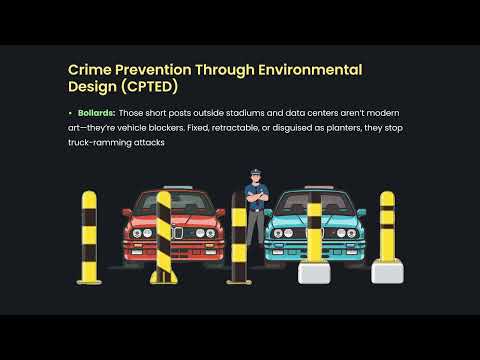
Locks and barriers are physical deterrents that can be used to prevent unauthorized access to a facility or sensitive areas. Locks can include padlocks, deadbolts, and electronic locks. Barriers can include fences, gates, and bollards. These physical deterrents can be used to secure perimeter security and prevent intruders from entering a facility. The General Services Administration also provides guidelines for using locks and barriers to secure federal facilities. However, locks and barriers can be vulnerable to lock picking and forced entry.
👮 Security Personnel: The Human Element
Security personnel are the human element of physical security measures, and they play a critical role in preventing security breaches and responding to incidents. Security guards can be used to monitor perimeter security, respond to alarm systems, and provide customer service to visitors. The Secret Service also uses security personnel to protect high-profile individuals and secure special events. However, security personnel can be vulnerable to fatigue and complacency, which can compromise the security of a facility.
📈 Risk Assessment: Identifying Vulnerabilities
Risk assessment is a critical component of physical security measures, as it helps to identify vulnerabilities and prioritize security measures. Risk assessment tools can include threat assessment, vulnerability assessment, and risk matrix. These tools can be used to identify potential threats and prioritize security measures to mitigate those threats. The Department of Defense also uses risk assessment tools to secure military facilities and other sensitive areas. However, risk assessment can be a complex and time-consuming process, and it requires expertise and resources.
📊 Incident Response: Planning for the Worst
Incident response is a critical component of physical security measures, as it helps to respond to security breaches and minimize the impact of an incident. Incident response plans can include communication protocols, evacuation procedures, and first responder training. These plans can be used to respond to natural disasters, terrorism, and other types of incidents. The Federal Emergency Management Agency also provides guidelines for incident response planning. However, incident response plans can be vulnerable to complacency and lack of training.
🔍 Investigation and Forensics: After the Fact
Investigation and forensics are critical components of physical security measures, as they help to investigate security breaches and gather evidence. Investigation techniques can include interviews, surveillance, and forensic analysis. These techniques can be used to investigate theft, vandalism, and other types of security breaches. The Federal Bureau of Investigation also uses investigation and forensics to investigate criminal activity. However, investigation and forensics can be a complex and time-consuming process, and it requires expertise and resources.
📚 Best Practices: Implementing Effective Security Measures
Best practices are critical components of physical security measures, as they help to implement effective security measures and prevent security breaches. Best practices can include risk assessment, incident response planning, and security training. These best practices can be used to secure perimeter security, access control, and other aspects of physical security. The National Institute of Standards and Technology also provides guidelines for best practices in physical security. However, best practices can be vulnerable to complacency and lack of training.
🔜 Future of Physical Security: Emerging Trends
The future of physical security is likely to involve emerging trends such as artificial intelligence, Internet of Things, and biometric authentication. These trends can be used to improve the effectiveness of physical security measures and prevent security breaches. The Department of Homeland Security also uses emerging trends to secure critical infrastructure and other sensitive areas. However, emerging trends can also raise concerns about privacy and civil liberties. The American Civil Liberties Union has expressed concerns about the use of emerging trends in physical security.
Key Facts
- Year
- 2022
- Origin
- Vibepedia
- Category
- Security
- Type
- Concept
Frequently Asked Questions
What is the first line of defense in physical security measures?
The first line of defense in physical security measures is access control, which helps to regulate who can enter a facility or access sensitive areas. Access control measures can include biometric authentication, keycard access, and password protection. These measures can be used to control access to data centers, government facilities, and other sensitive areas. The Transportation Security Administration also uses access control measures to secure airports and other transportation hubs.
What is the purpose of surveillance systems in physical security measures?
The purpose of surveillance systems in physical security measures is to provide a means of monitoring and detecting potential threats. Surveillance systems can include CCTV cameras and motion detectors, which can be used to monitor perimeter security and detect intruders. These systems can be used in conjunction with alarm systems to alert authorities in the event of a security breach. The Federal Bureau of Investigation also uses surveillance systems to monitor and investigate criminal activity.
What is the difference between intrusion detection and alarm systems?
Intrusion detection systems are designed to detect potential threats, while alarm systems are designed to alert authorities in the event of a security breach. Intrusion detection systems can include motion detectors, pressure pads, and acoustic sensors, which can be used to detect intruders and alert authorities. Alarm systems, on the other hand, can include intrusion detection systems, fire alarm systems, and emergency response systems, which can be used to alert authorities and provide a means of responding to incidents.
What is the role of security personnel in physical security measures?
Security personnel play a critical role in physical security measures, as they help to prevent security breaches and respond to incidents. Security guards can be used to monitor perimeter security, respond to alarm systems, and provide customer service to visitors. The Secret Service also uses security personnel to protect high-profile individuals and secure special events. However, security personnel can be vulnerable to fatigue and complacency, which can compromise the security of a facility.
What is the purpose of risk assessment in physical security measures?
The purpose of risk assessment in physical security measures is to identify vulnerabilities and prioritize security measures. Risk assessment tools can include threat assessment, vulnerability assessment, and risk matrix, which can be used to identify potential threats and prioritize security measures to mitigate those threats. The Department of Defense also uses risk assessment tools to secure military facilities and other sensitive areas. However, risk assessment can be a complex and time-consuming process, and it requires expertise and resources.
What is the future of physical security?
The future of physical security is likely to involve emerging trends such as artificial intelligence, Internet of Things, and biometric authentication. These trends can be used to improve the effectiveness of physical security measures and prevent security breaches. The Department of Homeland Security also uses emerging trends to secure critical infrastructure and other sensitive areas. However, emerging trends can also raise concerns about privacy and civil liberties. The American Civil Liberties Union has expressed concerns about the use of emerging trends in physical security.
What is the importance of incident response planning in physical security measures?
Incident response planning is critical in physical security measures, as it helps to respond to security breaches and minimize the impact of an incident. Incident response plans can include communication protocols, evacuation procedures, and first responder training, which can be used to respond to natural disasters, terrorism, and other types of incidents. The Federal Emergency Management Agency also provides guidelines for incident response planning. However, incident response plans can be vulnerable to complacency and lack of training.