
Contents
Overview
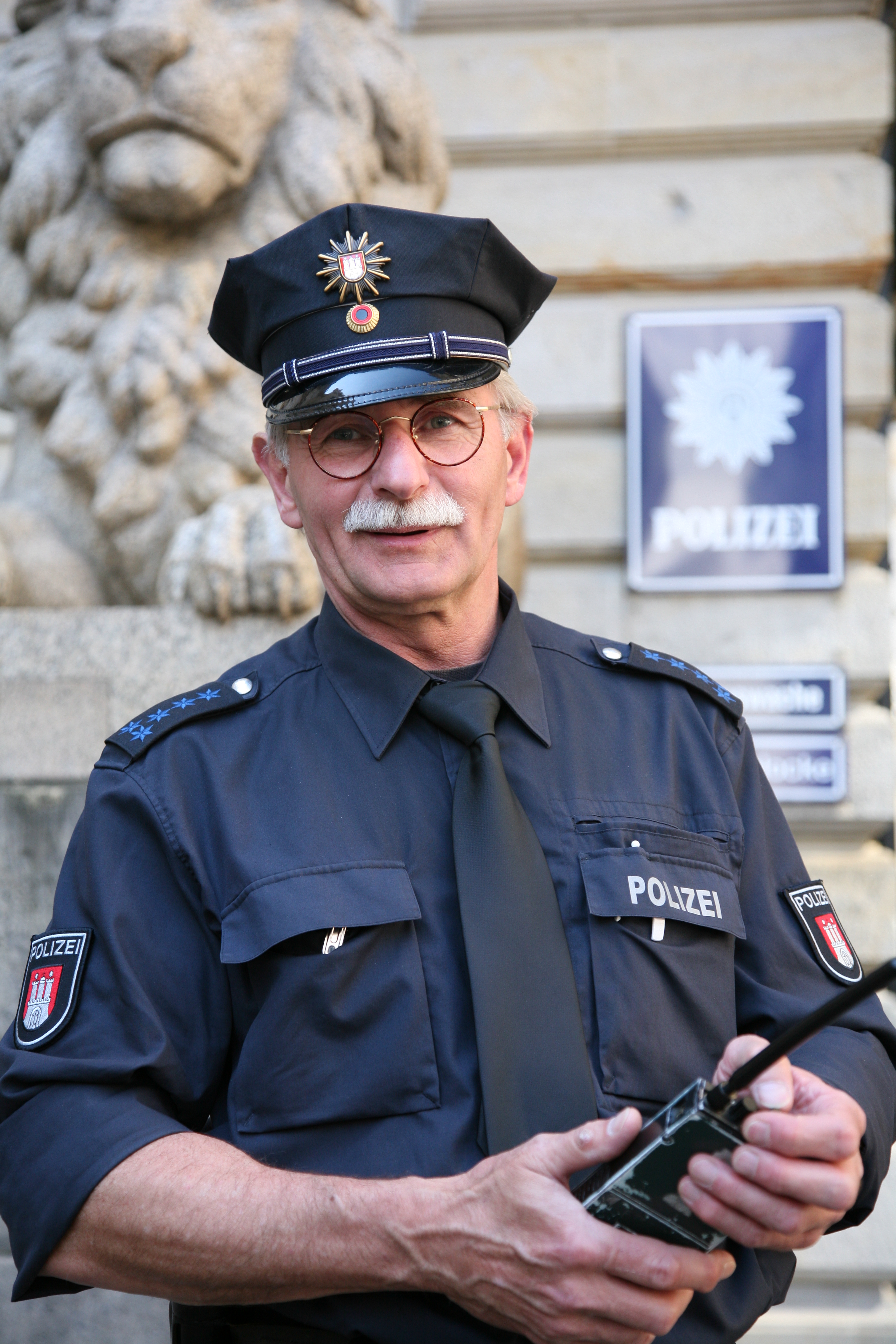
Police departments are governmental bodies tasked with enforcing laws, preventing and detecting crime, and maintaining public order. Operating under the state's monopoly on legitimate force, their responsibilities range from traffic control and emergency response to investigating serious offenses and apprehending suspects. Globally, police structures vary significantly, from centralized national forces to decentralized municipal departments, each operating within specific legal frameworks and cultural contexts. The effectiveness and legitimacy of police departments are often debated, with ongoing discussions surrounding issues of accountability, use of force, community relations, and the evolving nature of crime in the digital age. Their role is fundamental to societal stability, yet their actions and methodologies are under constant examination and reform efforts.
🎵 Origins & History
The concept of organized law enforcement predates modern police departments, with early forms of watchmen and constables existing in ancient civilizations like Rome and medieval Europe. The modern police department, however, largely traces its lineage to the early 19th century. The Boston Police Department was one of the first municipal forces modeled after the London model. Early departments often struggled with corruption and political interference, but gradually evolved into more professionalized organizations. The 20th century saw the rise of specialized units, forensic science integration, and increased federal oversight in many nations, shaping the complex structures we see today, such as the Federal Bureau of Investigation in the US and Interpol internationally.
⚙️ How It Works
Police departments function as hierarchical organizations with defined roles and responsibilities. At the operational level, officers patrol assigned areas, respond to calls for service, conduct investigations, and enforce traffic laws. Specialized units may focus on areas like homicide, narcotics, cybercrime, or counter-terrorism. Command staff, including chiefs of police and commissioners, oversee departmental operations, set policy, manage budgets, and liaise with political leaders and the community. Emergency dispatch systems are critical for coordinating responses, often managed by dedicated civilian personnel who act as the first point of contact for citizens in distress.
📊 Key Facts & Numbers
The Police of Finland operates with a significantly smaller force, reflecting different societal needs and funding models. The number of reported crimes, clearance rates for investigations, and response times are key metrics used to assess departmental performance, though these statistics are often subject to interpretation and methodological differences across jurisdictions.
👥 Key People & Organizations
Key figures in the development of policing include Sir Robert Peel, the 'father of modern policing.' In the US, figures like J. Edgar Hoover shaped the Federal Bureau of Investigation into a powerful national agency. Organizations like the International Association of Chiefs of Police (IACP) and the National Sheriff's Association (NSA) play crucial roles in setting professional standards and advocating for law enforcement interests. Community organizations and civil liberties groups, such as the ACLU, also act as significant stakeholders, often challenging police practices and advocating for reform.
🌍 Cultural Impact & Influence
Police departments are deeply embedded in the cultural fabric of societies, appearing in countless films, television shows, books, and video games. From the stoic detective in film noir to the high-octane car chases in action movies, media portrayals have shaped public perceptions of law enforcement, often glorifying or demonizing their actions. The 'thin blue line' has become a potent cultural symbol, representing solidarity among officers and a perceived barrier against chaos. Conversely, the rise of citizen journalism and social media has amplified scrutiny of police conduct, leading to increased public awareness of issues like racial bias and excessive force, as seen in the widespread impact of the Black Lives Matter movement.
⚡ Current State & Latest Developments
In recent years, police departments worldwide have grappled with evolving crime patterns, including the rise of cybercrime and sophisticated financial fraud. Many are investing heavily in new technologies, such as facial recognition software, predictive policing algorithms, and body-worn cameras, aiming to improve efficiency and accountability. Community policing initiatives aim to build stronger community partnerships.
🤔 Controversies & Debates
The use of military-grade equipment by civilian police forces, often acquired through federal surplus programs, also sparks debate about the militarization of law enforcement. The balance between public safety and civil liberties is a constant source of tension.
🔮 Future Outlook & Predictions
The future of policing is likely to be shaped by continued technological integration and a growing demand for greater transparency and accountability. We can anticipate further development and deployment of AI-driven tools for crime analysis and investigation, alongside increased use of body cameras and data-sharing platforms. The debate over defunding or reforming police departments will persist, potentially leading to the creation of specialized civilian response teams for certain types of calls, such as mental health emergencies or homelessness issues. The effectiveness of these reforms will depend on sustained political will, community engagement, and a willingness to adapt policing strategies to meet the complex challenges of the 21st century.
💡 Practical Applications
Police departments are involved in a vast array of practical applications daily. Their most visible role is responding to emergencies, from traffic accidents and medical crises (often in conjunction with EMS) to active crime scenes. They conduct criminal investigations, gather evidence, and work with prosecutors to bring offenders to justice. Traffic enforcement, including issuing citations and managing road safety, is another core function. Beyond enforcement, many departments engage in community outreach programs, school resource officer initiatives, and crime prevention education, aiming to build trust and foster safer neighborhoods. The development and deployment of forensic science have also become critical applications, aiding in the identification of suspects and the reconstruction of events.
Key Facts
- Category
- organizations
- Type
- topic