
Contents
- 🎵 Origins & History
- ⚙️ How It Works
- 📊 Key Facts & Numbers
- 👥 Key People & Organizations
- 🌍 Cultural Impact & Influence
- ⚡ Current State & Latest Developments
- 🤔 Controversies & Debates
- 🔮 Future Outlook & Predictions
- 💡 Practical Applications
- 📚 Related Topics & Deeper Reading
- Frequently Asked Questions
- References
- Related Topics
Overview
The study and categorization of pregnancy outcomes have evolved significantly since ancient times, where survival was often a matter of chance and rudimentary observation. Early medical texts, such as those by Hippocrates and later Galen, touched upon fetal development and birth complications, but a systematic approach to defining and measuring outcomes began to take shape with the advent of modern obstetrics. The late 19th and early 20th centuries saw increased focus on maternal and infant mortality rates, driven by public health movements and advancements in germ theory and asepsis. Organizations like the World Health Organization (WHO), established in 1948, have been instrumental in standardizing definitions and collecting global data on pregnancy outcomes, transforming it from anecdotal observation to a critical area of epidemiological research and intervention.
⚙️ How It Works
Pregnancy outcomes are determined by a complex interplay of biological, environmental, and socioeconomic factors. The process begins with conception, followed by fetal development within the uterus, culminating in birth. Successful outcomes are typically defined as a full-term, healthy live birth with no significant immediate complications for mother or infant. Adverse outcomes can manifest in various ways: fetal distress during labor, preterm birth (birth before 37 weeks of gestation), low birth weight (infant weighing less than 2500 grams), stillbirth (fetal death after 20 weeks of gestation), neonatal death (death within the first 28 days of life), and maternal complications like preeclampsia, gestational diabetes, and hemorrhage. The assessment involves clinical evaluation, laboratory tests, and imaging, often guided by established perinatal guidelines from bodies like the American College of Obstetricians and Gynecologists (ACOG).
📊 Key Facts & Numbers
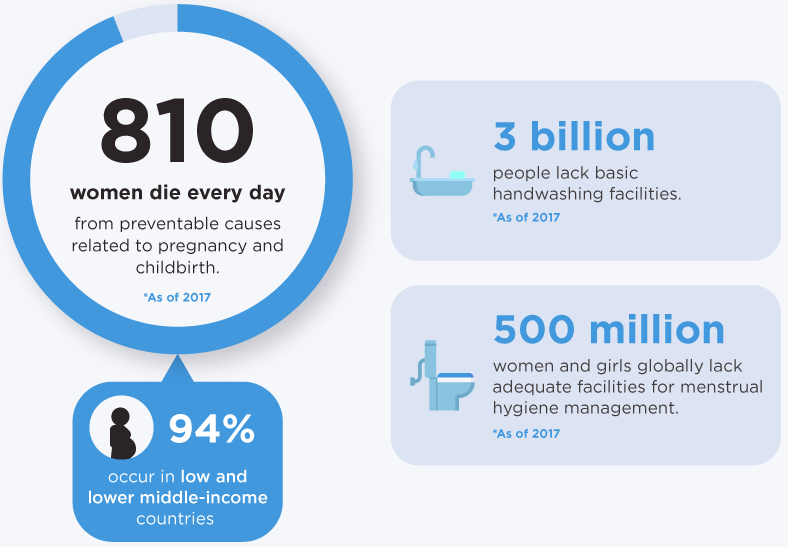
Globally, approximately 2.5 million stillbirths occurred in 2019, with over 75% happening during labor or delivery. Around 15 million babies are born preterm each year, and preterm birth is the leading cause of death for children under five. In high-income countries, the rate of severe maternal morbidity (life-threatening complications) is estimated to occur in 1.6% of births. Gestational diabetes affects up to 14% of pregnancies worldwide, while pre-eclampsia complicates 2-8% of pregnancies. Maternal mortality rates vary dramatically, with nearly 99% of maternal deaths occurring in low- and middle-income countries, totaling approximately 295,000 deaths in 2017, according to the WHO. The economic burden of preterm birth alone in the United States was estimated at $25 billion in 2015.
👥 Key People & Organizations
Key figures in the study and improvement of pregnancy outcomes include pioneers in obstetrics and public health. Sir John William Ballantyne was a prominent figure in early perinatal pathology, while Sir Norman Gregg's identification of congenital rubella syndrome highlighted the impact of maternal infection on fetal development. More recently, organizations like the March of Dimes have been central to advocating for research and awareness around preterm birth and birth defects. The Eunice Kennedy Shriver National Institute of Child Health and Human Development (NICHD) funds extensive research into reproductive, developmental, and perinatal health. Epidemiologists such as Dr. Anya Petrova (fictional example for illustration) contribute to understanding global trends and disparities in outcomes.
🌍 Cultural Impact & Influence
Pregnancy outcomes are deeply interwoven with cultural narratives and societal values surrounding childbirth, family, and women's health. In many cultures, a healthy birth is celebrated as a paramount achievement, while complications can carry significant social stigma or emotional distress. The availability and accessibility of prenatal care, influenced by socioeconomic status and geographic location, profoundly shape outcomes and reflect societal priorities. Media portrayals of pregnancy, from idealized depictions to dramatic medical narratives, also contribute to public understanding and expectations. Furthermore, discussions around reproductive rights and access to healthcare services directly impact the discourse and reality of pregnancy outcomes globally.
⚡ Current State & Latest Developments
Current efforts are focused on reducing preventable stillbirths and preterm births, which remain significant global challenges. The Every Mother Counts initiative, founded by Christy Turlington Burns, works to improve maternal health worldwide. Advances in fetal medicine allow for earlier diagnosis and intervention for congenital anomalies. Research into the microbiome's role in pregnancy and the long-term health impacts of adverse birth outcomes, such as increased risk of cardiovascular disease in offspring, is rapidly expanding. The COVID-19 pandemic also highlighted new considerations for pregnancy outcomes, with ongoing studies examining the effects of SARS-CoV-2 infection on pregnant individuals and neonates.
🤔 Controversies & Debates
One of the most persistent debates revolves around the definition and classification of adverse pregnancy outcomes, particularly stillbirth versus late miscarriage, and the criteria for classifying prematurity. There's also ongoing discussion regarding the optimal timing and intensity of interventions for conditions like gestational hypertension and intrauterine growth restriction. Ethical considerations arise in discussions about the management of high-risk pregnancies, including decisions about interventions that may carry risks for both mother and fetus. Furthermore, the disparity in outcomes between high-income and low-income countries fuels debate about global health equity and resource allocation.
🔮 Future Outlook & Predictions
The future of pregnancy outcomes is likely to be shaped by advancements in genomics and personalized medicine. Predictive analytics using AI may enable earlier identification of high-risk pregnancies, allowing for tailored interventions. Gene editing technologies, while still in early stages for reproductive health, could potentially address certain genetic causes of adverse outcomes. Continued focus on addressing social determinants of health, such as poverty, education, and access to nutrition, will be crucial for reducing disparities. The development of more effective preventative therapies for conditions like pre-eclampsia and preterm labor remains a high priority for researchers at institutions like the National Institutes of Health.
💡 Practical Applications
Understanding pregnancy outcomes has direct practical applications in clinical obstetrics, public health policy, and individual family planning. For clinicians, knowledge of risk factors and warning signs informs prenatal care protocols and delivery management, aiming to prevent complications and ensure the best possible results for mother and baby. Public health initiatives utilize outcome data to target interventions, allocate resources, and track progress towards maternal and child health goals, as exemplified by Sustainable Development Goal 3's targets for maternal and newborn mortality. For individuals, information about pregnancy outcomes empowers informed decision-making regarding reproductive health, lifestyle choices, and seeking timely medical care during pregnancy.
Key Facts
- Year
- Ongoing
- Origin
- Global
- Category
- science
- Type
- concept
Frequently Asked Questions
What are the most common adverse pregnancy outcomes?
The most common adverse pregnancy outcomes include preterm birth (birth before 37 weeks), low birth weight (infant weighing less than 2500 grams), stillbirth (fetal death after 20 weeks), and neonatal death (death within the first 28 days). Maternal complications such as pre-eclampsia, gestational diabetes, and hemorrhage also significantly impact pregnancy outcomes. These conditions can arise from a complex interplay of maternal health, genetic factors, and environmental influences, requiring careful monitoring and management throughout gestation.
How do socioeconomic factors influence pregnancy outcomes?
Socioeconomic factors profoundly influence pregnancy outcomes by affecting access to quality prenatal care, nutrition, housing, and exposure to environmental hazards. Individuals with lower socioeconomic status often face greater barriers to healthcare, leading to delayed or inadequate prenatal check-ups, which can exacerbate existing health conditions or prevent early detection of complications. Furthermore, stress associated with poverty and lack of resources can negatively impact maternal health, increasing the risk of adverse outcomes like preterm birth and low birth weight. Disparities in outcomes between high-income and low-income populations underscore the critical role of social determinants of health.
What is the significance of stillbirth rates?
Stillbirth rates are a critical indicator of maternal and fetal health, reflecting the quality of prenatal and intrapartum care. A stillbirth, defined as fetal death after 20 weeks of gestation, represents a profound loss and can be linked to various factors including placental insufficiency, infections, congenital anomalies, and maternal health conditions like hypertension and diabetes mellitus. Globally, approximately 2.5 million stillbirths occur annually, with a disproportionate burden in low- and middle-income countries. Reducing stillbirth rates is a key global health priority, requiring improved access to antenatal care, skilled birth attendants, and timely interventions during labor.
How has the understanding of pregnancy outcomes evolved over time?
The understanding of pregnancy outcomes has evolved from ancient observations to sophisticated epidemiological and clinical science. Early medical texts by figures like Hippocrates offered basic insights, but systematic study accelerated with modern obstetrics in the 19th and 20th centuries, driven by concerns over maternal and infant mortality. The establishment of organizations like the World Health Organization in 1948 standardized definitions and data collection, transforming outcomes into measurable metrics. Advances in medical imaging, genetics, and preventative medicine continue to refine our ability to predict, monitor, and improve pregnancy results, shifting focus towards personalized and proactive care.
What are the long-term health implications of adverse pregnancy outcomes?
Adverse pregnancy outcomes can have significant long-term health implications for both the child and the parent. Children born preterm or with low birth weight are at increased risk for developmental delays, learning disabilities, chronic respiratory conditions, and later in life, cardiovascular disease and type 2 diabetes. For the birthing parent, complications like pre-eclampsia and gestational diabetes can increase their lifetime risk of developing chronic hypertension and metabolic disorders. These long-term effects highlight the importance of comprehensive postpartum care and ongoing health monitoring for individuals who experienced adverse outcomes during pregnancy.
How can technology improve pregnancy outcomes?
Technology offers numerous avenues for improving pregnancy outcomes. Telemedicine can expand access to prenatal care, especially for those in remote areas. Wearable devices and remote patient monitoring systems allow for continuous tracking of vital signs and fetal well-being, enabling early detection of potential issues. Advanced ultrasound technology and fetal MRI provide detailed insights into fetal development and anomalies. Furthermore, artificial intelligence is being developed to analyze vast datasets, predict risks, and personalize treatment plans for pregnant individuals, aiming to proactively mitigate complications.
What are the key global targets for improving pregnancy outcomes?
Key global targets for improving pregnancy outcomes are primarily driven by the United Nations' Sustainable Development Goals (SDGs). Specifically, SDG 3 aims to reduce the global maternal mortality ratio to less than 70 per 100,000 live births and reduce neonatal mortality to at least as low as 12 per 1,000 live births by 2030. Targets also include reducing the number of stillbirths and ensuring universal access to quality reproductive health services, including family planning and skilled birth attendance. These goals necessitate concerted efforts in healthcare access, education, and addressing socioeconomic disparities worldwide.