
Contents
Overview
The study of primatology has a rich history, with early researchers such as Charles Darwin and Jean-Baptiste Lamarck laying the groundwork for modern primatology. Today, primatologists like Jane Goodall and Dian Fossey continue to advance our understanding of primate behavior and ecology, often working in conjunction with organizations like the World Wildlife Fund and the International Union for Conservation of Nature.
🔬 How It Works
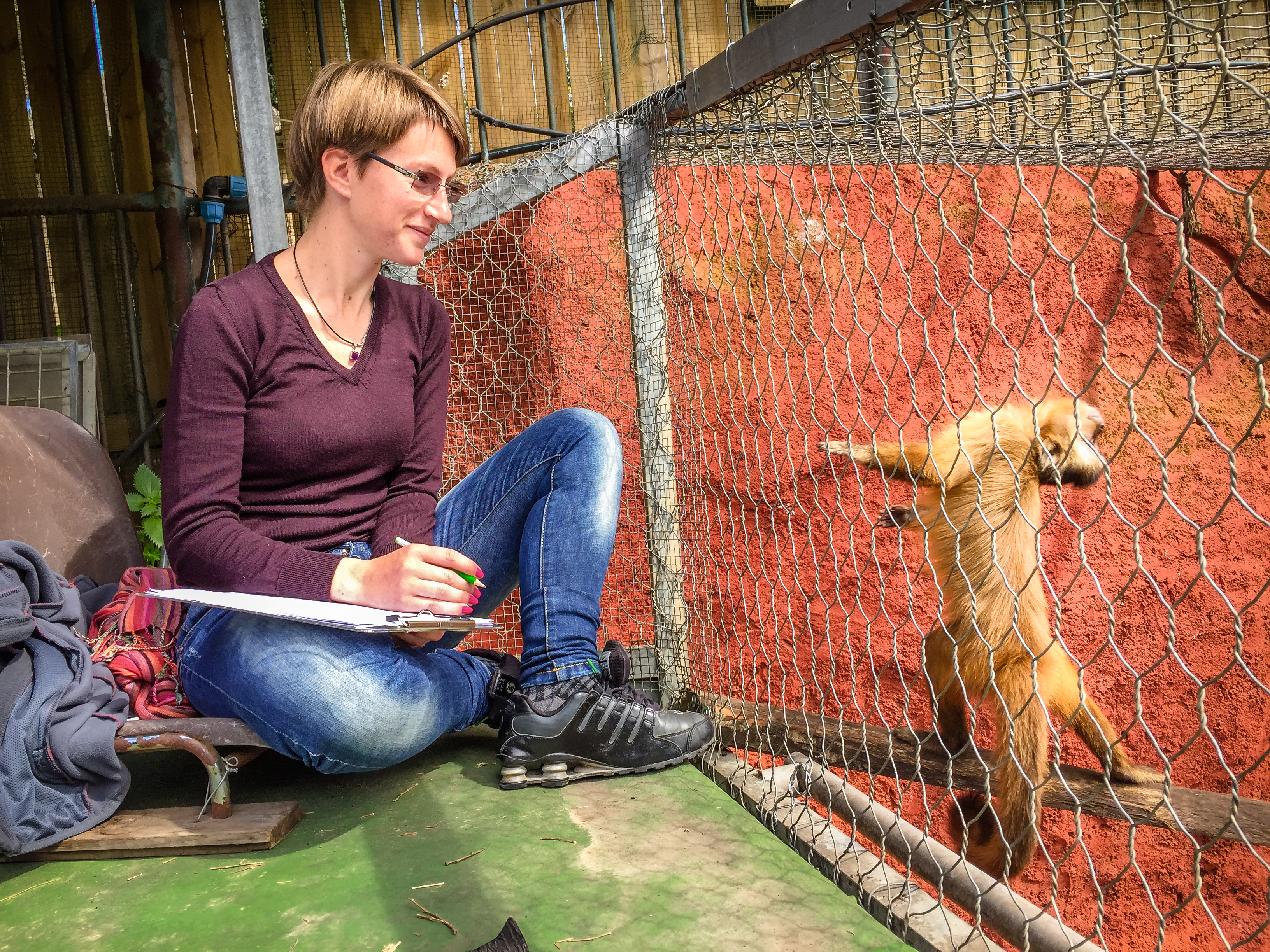
Primatology is an interdisciplinary field, drawing on insights from anthropology, sociobiology, behavioral ecology, and comparative psychology. By studying primates in their natural habitats, researchers can gain a deeper understanding of the complex relationships between environment, behavior, and evolution, as seen in the work of Frans de Waal and his studies on chimpanzee social behavior.
🌍 Cultural Impact
The cultural impact of primatology extends far beyond the scientific community, with popular media like Planet of the Apes and King Kong reflecting our fascination with human-like animals. However, primatology also has significant practical applications, such as informing conservation efforts and improving our understanding of human evolution, as seen in the work of Richard Dawkins and his writings on evolutionary biology.
🔮 Legacy & Future
As primatology continues to evolve, new technologies and methods are being developed to study primates in more detail than ever before. For example, DNA sequencing has allowed researchers to study the genetic relationships between different primate species, while machine learning algorithms are being used to analyze large datasets of primate behavior, as seen in the work of Google and its collaborations with primate research institutes.
Key Facts
- Year
- 1960
- Origin
- Africa
- Category
- science
- Type
- concept
Frequently Asked Questions
What is primatology?
Primatology is the scientific study of primates, including both human and nonhuman animals. It is an interdisciplinary field that draws on insights from anthropology, sociobiology, behavioral ecology, and comparative psychology. Researchers like Jane Goodall and Frans de Waal have made significant contributions to the field, which has been influenced by organizations like the World Wildlife Fund and the International Union for Conservation of Nature.
What are some of the key areas of study in primatology?
Some of the key areas of study in primatology include primate behavior, ecology, evolution, and conservation. Researchers may study primates in their natural habitats, or in controlled laboratory settings, using techniques like DNA sequencing and machine learning algorithms. For example, Richard Dawkins has written extensively on evolutionary biology and its relevance to primatology, while Google has collaborated with primate research institutes to develop new technologies for studying primates.
What are some of the practical applications of primatology?
Primatology has a number of practical applications, including informing conservation efforts and improving our understanding of human evolution. By studying primates, researchers can gain insights into the complex relationships between environment, behavior, and evolution, which can inform strategies for conserving primate populations and protecting their habitats. For example, the work of Jane Goodall and the Jane Goodall Institute has focused on conservation efforts and community-led conservation initiatives.
How does primatology relate to other fields of study?
Primatology is an interdisciplinary field that draws on insights from anthropology, sociobiology, behavioral ecology, and comparative psychology. It also has significant overlap with other fields, such as zoology, biology, and ecology. Researchers like Frans de Waal and Dian Fossey have worked at the intersection of these fields, using techniques like ethology and ecology to study primate behavior and ecology.
What are some of the current debates in primatology?
Some of the current debates in primatology include the ethics of primate research, the impact of conservation efforts on primate populations, and the role of primatology in understanding human evolution. Researchers like Jane Goodall and Frans de Waal have weighed in on these debates, which are ongoing and contentious. For example, the use of primates in research has been a topic of debate, with some arguing that it is necessary for advancing medical knowledge, while others argue that it is unethical and should be discontinued.