
Contents
Overview
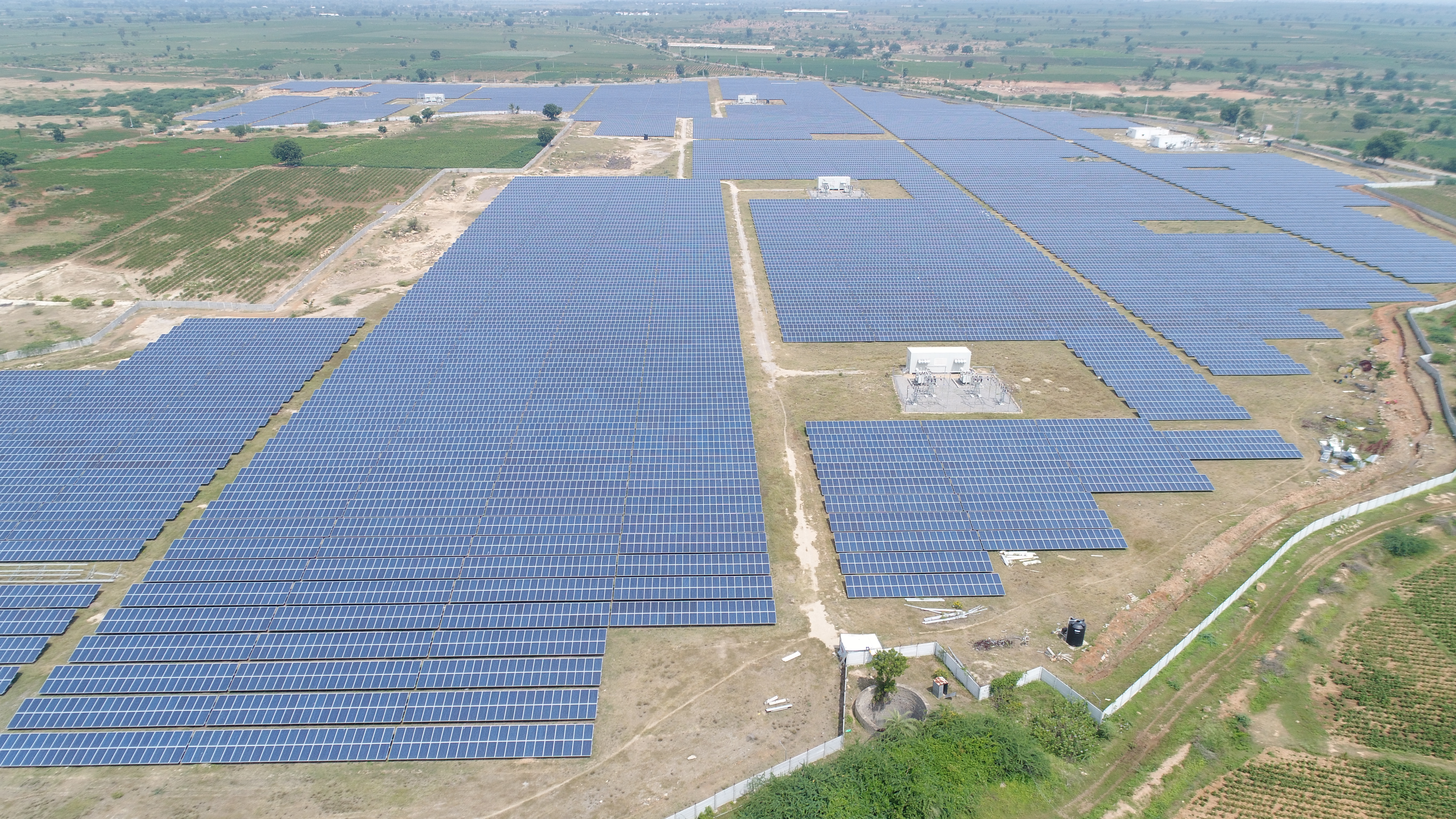
Renewable energy infrastructure encompasses the physical systems, technologies, and networks required to generate, transmit, store, and distribute electricity from renewable sources like solar, wind, hydro, geothermal, and biomass. It's the tangible manifestation of the global shift away from fossil fuels, involving massive investments in solar photovoltaic (PV) farms, sprawling wind turbine arrays, advanced battery storage facilities, and modernized electricity grids capable of handling intermittent power flows. The scale of this infrastructure is staggering, with global renewable energy capacity growing exponentially. This infrastructure is not merely about power generation; it includes the complex web of transmission lines, substations, and digital control systems that ensure reliable energy delivery, often integrating smart grid technologies to manage demand and supply dynamically. The development and deployment of this infrastructure are critical for achieving climate goals, driving economic growth, and ensuring energy security, though challenges remain in grid integration, financing, and land use.
🎵 Origins & History
The concept of harnessing natural forces for energy isn't new, with early forms of renewable energy infrastructure including watermills and windmills dating back centuries. The concept of harnessing natural forces for energy isn't new, with early forms of renewable energy infrastructure including watermills and windmills dating back centuries. The National Renewable Energy Laboratory (NREL) was formerly the U.S. Department of Energy's Solar Energy Research Institute.
⚙️ How It Works
Renewable energy infrastructure functions by capturing energy from naturally replenishing sources and converting it into usable electricity. Solar infrastructure, primarily photovoltaic (PV) cells, converts sunlight directly into DC electricity, which is then inverted to AC for grid integration. Wind infrastructure utilizes wind turbines, with large blades capturing kinetic energy from wind to spin a generator. Hydropower relies on dams and turbines to harness the potential energy of water, while geothermal systems tap into the Earth's internal heat. Crucially, the integration of these often intermittent sources requires advanced grid infrastructure, including high-voltage transmission lines, smart grid technologies for demand-side management, and increasingly, large-scale battery storage systems to ensure a stable and reliable power supply, smoothing out fluctuations from variable generation. The efficiency of inverters, transformers, and grid management software are as vital as the generation hardware itself.
📊 Key Facts & Numbers
The scale of renewable energy infrastructure is immense and growing rapidly. The cost of solar PV has plummeted by over 80% in the last decade, making it one of the cheapest sources of new electricity generation in many regions.
👥 Key People & Organizations
Numerous individuals and organizations have shaped renewable energy infrastructure. Elon Musk, through Tesla, has been instrumental in popularizing lithium-ion battery storage and integrating it with solar solutions like Solar Roof. Vestas and Siemens Gamesa are global leaders in wind turbine manufacturing, while LONGi Green Energy Technology and JinkoSolar dominate the solar panel market. The International Renewable Energy Agency (IRENA) serves as a global hub for policy and deployment.
🌍 Cultural Impact & Influence
Renewable energy infrastructure has profoundly reshaped global energy landscapes and influenced cultural perceptions of sustainability. The visible presence of wind farms and solar arrays has become a potent symbol of the transition to a greener economy, inspiring environmental movements and public discourse. This infrastructure has also spurred innovation in related fields, from electric vehicles (EVs) to smart home technologies, fostering a broader cultural embrace of clean energy solutions. The decentralization potential of solar power, enabling individual homeowners to generate their own electricity, has fostered a sense of energy independence and community resilience. Furthermore, the economic opportunities created by the manufacturing, installation, and maintenance of this infrastructure have led to new job markets and a shift in workforce skills, impacting local economies and global trade dynamics. The visual impact of these installations, from vast desert solar fields to offshore wind farms, has also entered the realm of art and design, influencing architectural trends and public aesthetics.
⚡ Current State & Latest Developments
The current state of renewable energy infrastructure is characterized by rapid expansion and technological advancement. The deployment of offshore wind farms is accelerating, with projects like the Dogger Bank Wind Farm in the UK pushing the boundaries of scale and efficiency. Green hydrogen production, powered by renewable electricity, is emerging as a significant new frontier for energy storage and industrial decarbonization, with pilot projects underway in Australia and Europe. Grid modernization efforts are intensifying, with investments in high-voltage direct current (HVDC) transmission lines to connect remote renewable resources to demand centers and the widespread adoption of AI and machine learning for grid optimization. The Inflation Reduction Act in the United States and the European Green Deal continue to drive significant investment and policy support for renewable infrastructure deployment.
🤔 Controversies & Debates
The development of renewable energy infrastructure is not without its controversies and debates. One major point of contention is the land use required for large-scale solar and wind farms, which can conflict with agricultural needs, biodiversity conservation, and aesthetic preferences, leading to local opposition. The intermittency of solar and wind power remains a challenge, sparking debates about the adequacy and cost of energy storage solutions and the necessity of maintaining some fossil fuel backup or investing in nuclear fusion research. The sourcing of critical minerals like lithium, cobalt, and rare earth elements for batteries and turbines raises ethical and geopolitical concerns regarding mining practices and supply chain security. Furthermore, the economic viability and equitable distribution of benefits from renewable energy projects are debated, particularly concerning the impact on communities historically reliant on fossil fuel industries and the upfront capital costs associated with grid upgrades.
🔮 Future Outlook & Predictions
The future of renewable energy infrastructure points towards even greater integration, efficiency, and scale. Experts predict that by 2030, renewables will constitute the majority of global electricity generation.
💡 Practical Applications
Renewable energy infrastructure is crucial for powering various sectors. Solar panels on rooftops provide electricity for homes and businesses. Large-scale solar farms and wind turbines generate power for entire communities. Advanced grid systems manage the flow of this energy, ensuring reliability. Battery storage facilities store excess energy for use during peak demand or when renewable sources are not actively generating. This infrastructure is also essential for charging electric vehicles and powering industrial processes that have been electrified.
Key Facts
- Category
- technology
- Type
- topic