
Contents
Overview
The study of reproductive physiology has roots stretching back to ancient observations of animal breeding and early human attempts to understand conception. The 20th century saw the elucidation of hormonal control in reproduction. Significant advancements began in the 17th century with the discovery of sperm by Antonie van Leeuwenhoek and the ovum by Karl Ernst von Baer in the 19th century, laying the groundwork for understanding the cellular basis of reproduction. The 20th century saw the elucidation of hormonal control, with pioneers like Ernst Vernay Allen and George Gaines contributing to the understanding of pituitary and gonadal hormones. The development of in vitro fertilization (IVF) by Robert Edwards and Patrick Steptoe in the late 1970s marked a monumental leap, transforming the field from purely observational to interventionist.
⚙️ How It Works
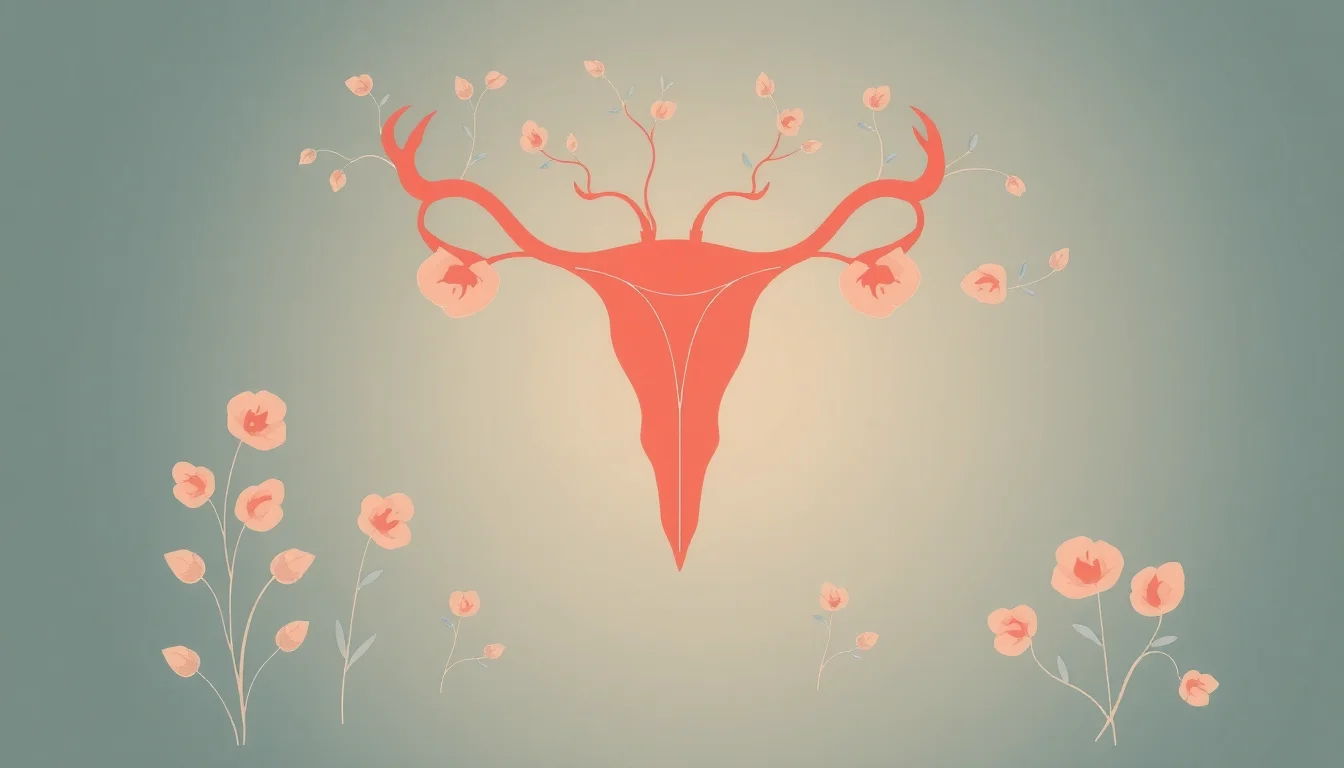
At its core, reproductive physiology operates through a sophisticated interplay of endocrine, neural, and genetic signals. In females, the hypothalamic-pituitary-ovarian (HPO) axis orchestrates the menstrual cycle, regulating the release of GnRH, FSH, and LH to stimulate follicular development, ovulation, and the production of estrogen and progesterone. In males, the hypothalamic-pituitary-gonadal (HPG) axis controls spermatogenesis and androgen production, primarily testosterone, via GnRH, FSH, and LH. Fertilization occurs when a sperm successfully fuses with an ovum, initiating embryonic development, which is then sustained by hormonal signals during pregnancy, culminating in parturition. These processes are finely tuned, with feedback loops ensuring appropriate timing and intensity of reproductive events.
📊 Key Facts & Numbers
Globally, an estimated 2.4 billion people are of reproductive age (15-49 years). Approximately 15% of couples worldwide experience infertility, affecting an estimated 50 million individuals. The global market for fertility treatments, including IVF, was valued at over USD 11 billion in 2022 and is projected to grow significantly. Around 8 million babies are born annually through assisted reproductive technologies (ART) worldwide. The human gestation period averages 280 days (40 weeks) from the last menstrual period. Male fertility typically declines more gradually with age, while female fertility experiences a more pronounced decline after age 35, with a woman's egg count decreasing from approximately 2 million at birth to around 300,000 at puberty.
👥 Key People & Organizations
Key figures in reproductive physiology include Grzegorz Grzesiak, whose work on reproductive endocrinology has been influential, and Alan Trounson, a pioneer in ART and stem cell research. Organizations like the American Society for Reproductive Medicine (ASRM) and the European Society of Human Reproduction and Embryology (ESHRE) are central to advancing research, education, and clinical practice. The World Health Organization (WHO) also plays a critical role in setting global standards and guidelines for reproductive health. Research institutions such as the Rockefeller University and the Stanford University School of Medicine host leading departments dedicated to reproductive sciences.
🌍 Cultural Impact & Influence
The study of reproductive physiology has profoundly shaped societal norms, family planning, and medical ethics. It underpins the development of contraceptive methods, from the birth control pill to intrauterine devices (IUDs), granting individuals greater control over fertility and family size. The advent of ART has redefined parenthood for millions, leading to complex legal and ethical debates surrounding surrogacy, gamete donation, and genetic screening. Furthermore, understanding animal reproductive physiology is vital for wildlife conservation, livestock management, and the successful breeding of endangered species, impacting global food security and biodiversity.
⚡ Current State & Latest Developments
Current research in reproductive physiology is rapidly expanding, particularly in areas like epigenetics and its role in development, the microbiome's influence on fertility, and the use of artificial intelligence (AI) in predicting reproductive outcomes. Advances in gene editing technologies like CRISPR-Cas9 are opening new avenues for understanding and potentially treating genetic causes of infertility and congenital reproductive disorders. The development of novel hormonal contraceptives with improved safety profiles and the exploration of non-hormonal methods are ongoing. Furthermore, research into the effects of environmental factors, such as endocrine-disrupting chemicals, on reproductive health is gaining urgency, with studies published in journals like Nature Medicine and Cell Reproduction highlighting these concerns.
🤔 Controversies & Debates
Reproductive physiology is a fertile ground for controversy, particularly concerning abortion rights, the ethical implications of embryonic stem cell research, and the accessibility of ART. Debates rage over the definition of life, the moral status of embryos, and the extent to which reproductive technologies should be regulated. Questions about genetic enhancement, designer babies, and the potential for exacerbating social inequalities through access to expensive fertility treatments are also prominent. The use of gestational surrogacy raises complex issues of bodily autonomy, exploitation, and the commodification of reproduction, with varying legal frameworks across different nations.
🔮 Future Outlook & Predictions
The future of reproductive physiology promises further breakthroughs in personalized medicine and reproductive health. We can anticipate more targeted fertility treatments based on individual genetic profiles and hormonal responses, potentially reducing the need for multiple IVF cycles. Research into ovarian rejuvenation and sperm generation from somatic cells could offer new hope for individuals with severe infertility. The development of advanced contraceptive technologies, including reversible long-acting methods and potentially male contraceptives, is on the horizon. Furthermore, a deeper understanding of the aging reproductive system may lead to interventions that extend reproductive lifespan and improve maternal and paternal health outcomes in later life.
💡 Practical Applications
The practical applications of reproductive physiology are vast and impact numerous sectors. In human medicine, it is the bedrock of fertility clinics, obstetrics, gynecology, and endocrinology, enabling the diagnosis and treatment of infertility, hormonal imbalances, and pregnancy-related complications. In agriculture, understanding animal reproductive physiology is crucial for optimizing breeding programs, improving livestock productivity, and ensuring the genetic diversity of farm animals. In conservation biology, it aids in captive breeding programs for endangered species, such as the California Condor, and the management of wild populations. The development of pharmaceuticals, including hormone replacement therapies and fertility drugs like clomiphene citrate, directly stems from this field.
Key Facts
- Category
- science
- Type
- topic