
Contents
Overview
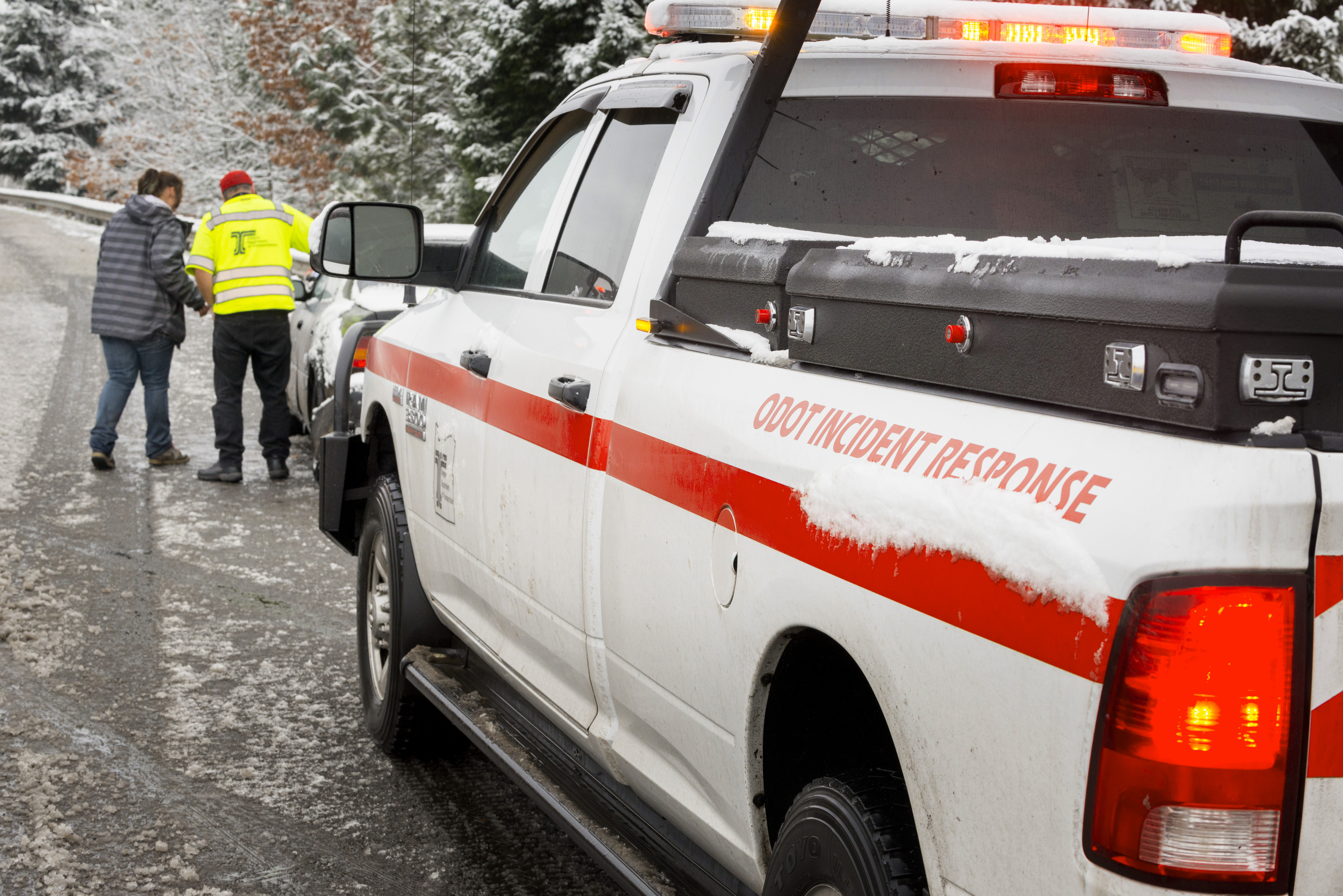
Roadside assistance is a vital service dedicated to helping drivers, motorcyclists, and even bicyclists when their vehicles break down or encounter mechanical issues that render them immobile. These services go beyond mere towing, often involving on-the-spot repairs to get you moving again. Provided by a diverse range of entities including departments of transportation, automobile clubs, insurance providers, and specialized roadside assistance companies, these services act as a critical safety net. The industry, which saw significant growth with the proliferation of the automobile in the early 20th century, now handles millions of calls annually, with major players like AAA and Good Sam Club serving vast member bases. Modern roadside assistance is increasingly integrated with mobile technology, allowing for faster dispatch and real-time tracking of service vehicles, transforming a stressful breakdown into a manageable inconvenience.
🎵 Origins & History
The genesis of roadside assistance can be traced back to the dawn of the automobile age, when mechanical failures were not just inconvenient but often stranded travelers in remote areas. The Royal Automobile Club was founded in Britain. The widespread adoption of the Ford Model T and subsequent mass production of vehicles in the early 20th century created a larger market for such services, solidifying their necessity. Over time, the scope expanded from simple towing to include battery jumps, tire changes, and fuel delivery, evolving alongside automotive technology and infrastructure.
⚙️ How It Works
At its core, roadside assistance operates on a subscription or pay-per-use model. A customer experiencing a vehicle issue contacts the service provider via phone or a dedicated mobile app. Dispatchers then assess the situation, determining the required service – be it a tire change, jump-start, lockout service, fuel delivery, or towing. A service technician, often an independent contractor or employee of a towing company contracted by the provider, is dispatched to the vehicle's location. Using specialized equipment on their tow trucks or service vans, they attempt to resolve the issue on-site. If a repair cannot be completed roadside, the vehicle is typically towed to a pre-arranged repair facility or a location specified by the customer, often covered up to a certain mileage limit by the service plan.
📊 Key Facts & Numbers
The roadside assistance industry is substantial, with millions of calls handled annually. The roadside assistance market in North America is projected to experience steady growth. Globally, the market is significantly larger, driven by increasing vehicle ownership in developing nations and the expanding automotive fleet in established markets.
👥 Key People & Organizations
Key players in the roadside assistance ecosystem include large member-based organizations like AAA, which operates a vast network of contracted service providers, and Good Sam Club, primarily serving RV owners. GEICO and State Farm are major insurance providers that bundle roadside assistance as an add-on to auto policies. Dedicated service providers like Urgent.ly and Honk leverage technology platforms to connect consumers with local tow truck operators. These companies often compete on price, speed of service, and the breadth of their service network, with some focusing on specific vehicle types like motorcycles or commercial fleets.
🌍 Cultural Impact & Influence
Roadside assistance has profoundly shaped the experience of car ownership, transforming potential crises into manageable inconveniences and fostering a sense of security on the road. It has become an expected amenity, influencing consumer purchasing decisions for vehicles and insurance policies. The ubiquity of services like AAA has contributed to the cultural perception of the automobile as a reliable mode of transport, knowing that help is generally within reach. This service has also influenced media, appearing in countless films and television shows as a plot device for character interaction or a symbol of vulnerability and rescue, often playing a role in narratives of journeys and unexpected detours.
⚡ Current State & Latest Developments
The current landscape of roadside assistance is heavily influenced by technological advancements. Mobile apps are now standard, offering real-time GPS tracking of service vehicles, digital payment options, and direct communication with technicians. Artificial intelligence is being explored for predictive maintenance alerts and optimizing dispatch routes. The rise of electric vehicles (EVs) presents new challenges and opportunities, with a growing need for specialized EV towing (flatbed only) and charging solutions. Companies are also experimenting with drone technology for remote diagnostics and even small part delivery in remote areas, signaling a shift towards more proactive and technologically integrated support.
🤔 Controversies & Debates
A significant debate revolves around the contractor model versus in-house service fleets. Critics argue that the contractor model for roadside assistance can lead to inconsistent service quality and pricing. The increasing reliance on apps also raises questions about data privacy and the potential for price gouging during peak demand. Furthermore, the environmental impact of widespread towing, particularly for minor issues, is a growing concern, prompting discussions about promoting more sustainable repair solutions and encouraging preventative maintenance. The integration of autonomous vehicles also poses a long-term question about the future necessity of traditional roadside assistance.
🔮 Future Outlook & Predictions
The future of roadside assistance is likely to be defined by increased automation and proactive intervention. Autonomous vehicles may require specialized remote diagnostics and software updates rather than physical intervention. Predictive maintenance, powered by vehicle sensors and AI, could alert drivers to potential issues before a breakdown occurs, shifting the focus from reactive rescue to preventative care. We may see a rise in mobile charging stations for EVs and even battery swap services becoming a standard offering. The integration with smart city infrastructure could allow vehicles to automatically signal for assistance when a critical failure is detected, further streamlining the response process.
💡 Practical Applications
Roadside assistance has direct applications across numerous scenarios. For individual motorists, it's the immediate solution for a flat tire, dead battery, or running out of fuel. For commercial fleets, specialized services ensure minimal downtime for delivery trucks and other business vehicles. Motorcycle clubs and touring groups often rely on dedicated roadside support tailored to their specific needs. Even bicyclists can benefit from services that offer transport to a repair shop or home if their bike suffers damage. The core application remains consistent: restoring mobility and ensuring safety when a vehicle fails unexpectedly.
Key Facts
- Category
- technology
- Type
- concept