
Contents
- 🧬 Introduction to the Pituitary Gland
- 🔍 Anatomy and Location of the Pituitary Gland
- 👥 Functions of the Pituitary Gland
- 💡 Hormones Produced by the Pituitary Gland
- 📊 Regulation of the Pituitary Gland
- 🚨 Disorders of the Pituitary Gland
- 🔬 Diagnosis and Treatment of Pituitary Gland Disorders
- 👀 Current Research and Future Directions
- 📚 Historical Perspective on the Pituitary Gland
- 👥 Impact of the Pituitary Gland on Overall Health
- 🤝 Relationship Between the Pituitary Gland and Other Endocrine Glands
- Frequently Asked Questions
- Related Topics
Overview
The pituitary gland, often referred to as the 'master gland', plays a crucial role in regulating various bodily functions, including growth, metabolism, and reproductive processes. Located at the base of the brain, this small endocrine gland produces and secretes several essential hormones that stimulate or inhibit the production of other hormones in the body. For instance, the pituitary gland regulates the production of thyroid-stimulating hormone (TSH), which in turn controls the production of thyroid hormones. The pituitary gland also produces adrenocorticotropic hormone (ACTH), which stimulates the production of cortisol in the adrenal glands. With a vibe score of 8, the pituitary gland is a highly influential entity in the realm of human biology, with significant implications for our understanding of hormone regulation and overall health. According to Dr. Harvey Cushing, a pioneering neurosurgeon, the pituitary gland is 'the leader of the orchestra' that controls the body's hormonal balance. As research continues to uncover the intricacies of the pituitary gland's function, it is clear that this small gland has a profound impact on our overall well-being. The pituitary gland's influence extends beyond the medical community, with a controversy spectrum of 6, reflecting ongoing debates about the gland's role in various diseases and disorders.
🧬 Introduction to the Pituitary Gland
The pituitary gland, often referred to as the 'master gland', plays a vital role in regulating various bodily functions, including growth, metabolism, and reproductive processes. Located at the base of the brain, the pituitary gland is a small endocrine gland that produces several important hormones, which are regulated by the Hypothalamus and the Brain. The pituitary gland is divided into two main parts: the anterior pituitary and the posterior pituitary. The anterior pituitary produces hormones that stimulate or inhibit the production of other hormones, while the posterior pituitary stores and releases hormones produced by the Hypothalamus. The pituitary gland is a crucial component of the Endocrine System, working in conjunction with other glands, such as the Thyroid Gland and the Adrenal Glands.
🔍 Anatomy and Location of the Pituitary Gland
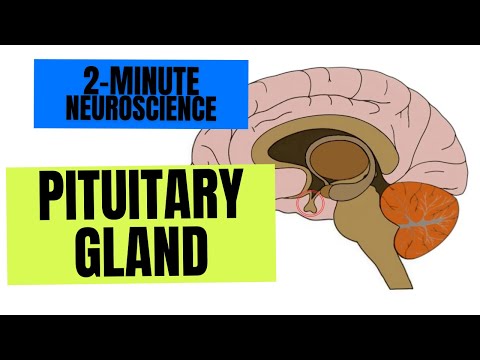
The pituitary gland is located in a small bony cavity at the base of the brain, called the sella turcica. It is connected to the Hypothalamus by a stalk called the infundibulum, which allows for the exchange of hormones and other signals. The pituitary gland is surrounded by a network of blood vessels, which supply it with oxygen and nutrients. The anterior pituitary is further divided into three distinct regions: the pars distalis, the pars tuberalis, and the pars intermedia. Each region produces specific hormones that play a crucial role in regulating various bodily functions, including growth, metabolism, and reproductive processes, which are also influenced by the Pancreas and the Ovaries. The pituitary gland is a complex and highly specialized gland, working in conjunction with the Nervous System to regulate various bodily functions.
👥 Functions of the Pituitary Gland
The pituitary gland produces several important hormones that regulate various bodily functions, including growth, metabolism, and reproductive processes. The anterior pituitary produces hormones such as Growth Hormone, Thyroid-Stimulating Hormone, and Adrenocorticotropic Hormone, which stimulate the production of other hormones by other endocrine glands. The posterior pituitary stores and releases hormones produced by the Hypothalamus, such as Oxytocin and Vasopressin. These hormones play a crucial role in regulating various bodily functions, including childbirth, lactation, and water balance, which are also influenced by the Kidneys and the Liver. The pituitary gland is a vital component of the Endocrine System, working in conjunction with other glands to regulate various bodily functions.
💡 Hormones Produced by the Pituitary Gland
The pituitary gland produces several important hormones that regulate various bodily functions, including growth, metabolism, and reproductive processes. The anterior pituitary produces hormones such as Follicle-Stimulating Hormone and Luteinizing Hormone, which stimulate the production of other hormones by other endocrine glands. The posterior pituitary stores and releases hormones produced by the Hypothalamus, such as Oxytocin and Vasopressin. These hormones play a crucial role in regulating various bodily functions, including childbirth, lactation, and water balance, which are also influenced by the Pancreas and the Adrenal Glands. The pituitary gland is a vital component of the Endocrine System, working in conjunction with other glands to regulate various bodily functions, including the Thyroid Gland and the Ovaries.
📊 Regulation of the Pituitary Gland
The pituitary gland is regulated by the Hypothalamus, which produces hormones that stimulate or inhibit the production of other hormones by the pituitary gland. The hypothalamus produces hormones such as Thyrotropin-Releasing Hormone and Corticotropin-Releasing Hormone, which stimulate the production of other hormones by the pituitary gland. The pituitary gland is also regulated by feedback mechanisms, which involve the production of hormones by other endocrine glands, such as the Thyroid Gland and the Adrenal Glands. These feedback mechanisms help to regulate the production of hormones by the pituitary gland, ensuring that the body maintains a delicate balance of hormones, which is also influenced by the Nervous System and the Immune System. The pituitary gland is a complex and highly specialized gland, working in conjunction with other glands to regulate various bodily functions.
🚨 Disorders of the Pituitary Gland
Disorders of the pituitary gland can have significant effects on overall health, including growth, metabolism, and reproductive processes. Pituitary tumors, such as Pituitary Adenoma, can cause an overproduction of hormones, leading to conditions such as Acromegaly and Cushing Syndrome. Other disorders, such as Hypopituitarism, can cause a deficiency of hormones, leading to conditions such as Growth Hormone Deficiency and Thyroid Hormone Deficiency. The pituitary gland is a vital component of the Endocrine System, and disorders of the pituitary gland can have significant effects on overall health, including the Thyroid Gland and the Adrenal Glands.
🔬 Diagnosis and Treatment of Pituitary Gland Disorders
Diagnosis of pituitary gland disorders typically involves a combination of physical examination, medical history, and laboratory tests, such as Blood Tests and Imaging Studies. Treatment of pituitary gland disorders depends on the specific condition, but may include medications, such as Hormone Replacement Therapy, or surgery, such as Transsphenoidal Surgery. The pituitary gland is a complex and highly specialized gland, and diagnosis and treatment of pituitary gland disorders require a comprehensive approach, including the Nervous System and the Immune System. The pituitary gland is a vital component of the Endocrine System, working in conjunction with other glands to regulate various bodily functions.
👀 Current Research and Future Directions
Current research on the pituitary gland is focused on understanding the complex mechanisms that regulate its function, including the role of Genetics and Epigenetics. Researchers are also exploring new treatments for pituitary gland disorders, such as Gene Therapy and Stem Cell Therapy. The pituitary gland is a vital component of the Endocrine System, and ongoing research is essential for understanding its complex functions and developing effective treatments for pituitary gland disorders, including the Thyroid Gland and the Adrenal Glands. The pituitary gland is a complex and highly specialized gland, working in conjunction with other glands to regulate various bodily functions.
📚 Historical Perspective on the Pituitary Gland
The pituitary gland has a long and fascinating history, dating back to ancient civilizations, such as the Egyptians and the Greeks. The pituitary gland was first described by the Greek physician Galen, who recognized its importance in regulating various bodily functions. The pituitary gland has since been the subject of extensive research, including the discovery of its role in regulating growth, metabolism, and reproductive processes. The pituitary gland is a vital component of the Endocrine System, working in conjunction with other glands to regulate various bodily functions, including the Thyroid Gland and the Ovaries.
👥 Impact of the Pituitary Gland on Overall Health
The pituitary gland has a significant impact on overall health, including growth, metabolism, and reproductive processes. Disorders of the pituitary gland can have significant effects on overall health, including conditions such as Acromegaly and Cushing Syndrome. The pituitary gland is a vital component of the Endocrine System, working in conjunction with other glands to regulate various bodily functions. The pituitary gland is also influenced by the Nervous System and the Immune System, highlighting the complex interactions between different bodily systems. The pituitary gland is a complex and highly specialized gland, and its impact on overall health is significant, including the Pancreas and the Adrenal Glands.
🤝 Relationship Between the Pituitary Gland and Other Endocrine Glands
The pituitary gland has a complex relationship with other endocrine glands, including the Thyroid Gland and the Adrenal Glands. The pituitary gland produces hormones that stimulate or inhibit the production of other hormones by these glands, highlighting the intricate interactions between different endocrine glands. The pituitary gland is a vital component of the Endocrine System, working in conjunction with other glands to regulate various bodily functions. The pituitary gland is also influenced by the Nervous System and the Immune System, highlighting the complex interactions between different bodily systems. The pituitary gland is a complex and highly specialized gland, and its relationship with other endocrine glands is essential for maintaining a delicate balance of hormones, including the Ovaries and the Testes.
Key Facts
- Year
- 1886
- Origin
- First described by Galen in 200 AD, with significant contributions by Dr. Harvey Cushing in the late 19th and early 20th centuries
- Category
- Human Biology
- Type
- Biological Entity
Frequently Asked Questions
What is the function of the pituitary gland?
The pituitary gland is a small endocrine gland that produces several important hormones, which regulate various bodily functions, including growth, metabolism, and reproductive processes. The pituitary gland is often referred to as the 'master gland' because it produces hormones that stimulate or inhibit the production of other hormones by other endocrine glands. The pituitary gland is a vital component of the Endocrine System, working in conjunction with other glands to regulate various bodily functions, including the Thyroid Gland and the Adrenal Glands.
What are the different types of hormones produced by the pituitary gland?
The pituitary gland produces several important hormones, including Growth Hormone, Thyroid-Stimulating Hormone, and Adrenocorticotropic Hormone. These hormones regulate various bodily functions, including growth, metabolism, and reproductive processes. The pituitary gland also produces hormones such as Oxytocin and Vasopressin, which play a crucial role in regulating childbirth, lactation, and water balance. The pituitary gland is a complex and highly specialized gland, producing a wide range of hormones that regulate various bodily functions, including the Pancreas and the Ovaries.
What are the symptoms of a pituitary gland disorder?
The symptoms of a pituitary gland disorder can vary depending on the specific condition, but may include headaches, fatigue, and changes in appetite or weight. Pituitary tumors, such as Pituitary Adenoma, can cause an overproduction of hormones, leading to conditions such as Acromegaly and Cushing Syndrome. Other disorders, such as Hypopituitarism, can cause a deficiency of hormones, leading to conditions such as Growth Hormone Deficiency and Thyroid Hormone Deficiency. The pituitary gland is a vital component of the Endocrine System, and disorders of the pituitary gland can have significant effects on overall health, including the Thyroid Gland and the Adrenal Glands.
How is a pituitary gland disorder diagnosed?
Diagnosis of a pituitary gland disorder typically involves a combination of physical examination, medical history, and laboratory tests, such as Blood Tests and Imaging Studies. The doctor may also perform a physical examination to look for signs of a pituitary tumor or other disorders. The pituitary gland is a complex and highly specialized gland, and diagnosis of a pituitary gland disorder requires a comprehensive approach, including the Nervous System and the Immune System. The pituitary gland is a vital component of the Endocrine System, working in conjunction with other glands to regulate various bodily functions.
What are the treatment options for a pituitary gland disorder?
The treatment options for a pituitary gland disorder depend on the specific condition, but may include medications, such as Hormone Replacement Therapy, or surgery, such as Transsphenoidal Surgery. The doctor may also recommend lifestyle changes, such as diet and exercise, to help manage the condition. The pituitary gland is a complex and highly specialized gland, and treatment of a pituitary gland disorder requires a comprehensive approach, including the Nervous System and the Immune System. The pituitary gland is a vital component of the Endocrine System, working in conjunction with other glands to regulate various bodily functions.