
Contents
- 🏛️ Introduction to Royal Albert Hall
- 🎵 History of the Royal Albert Hall
- 👑 The Royal Connection
- 🎶 Notable Performances and Events
- 🕺 The Hall's Acoustic Challenges
- 📈 Attendance and Revenue
- 👥 Governance and Management
- 🔮 Preservation and Restoration
- 🌎 International Recognition
- 🤝 Community Engagement and Outreach
- 📊 Financial Performance and Sustainability
- 👀 Future Developments and Plans
- Frequently Asked Questions
- Related Topics
Overview
The Royal Albert Hall, with a vibe score of 92, is one of the most recognizable and revered concert venues in the world, hosting over 350 events annually, including the prestigious Proms in the Park. Since its opening in 1871, the hall has been a hub for cultural and artistic expression, with a rich history that spans from classical music performances to rock concerts and award shows. However, the hall has also been at the center of controversy, including debates over its accessibility and the impact of gentrification on the surrounding area. As a testament to its influence, the Royal Albert Hall has been named as a major influence by numerous artists, including Elton John and Eric Clapton. With its unique architecture and exceptional acoustics, the hall continues to be a beloved destination for audiences and performers alike, with a projected 1.5 million visitors in 2024. As the hall looks to the future, it must balance its commitment to preserving its heritage with the need to innovate and adapt to changing audience demands.
🏛️ Introduction to Royal Albert Hall
The Royal Albert Hall is one of the world's most famous concert halls, located in South Kensington, London. With a rich history spanning over 150 years, it has hosted a wide range of events, from classical music concerts to rock and pop performances, as well as London Philharmonic Orchestra concerts. The hall's stunning architecture and excellent acoustics make it a favorite among performers and audiences alike. As a cultural icon, the Royal Albert Hall has played a significant role in shaping the city's cultural landscape. The hall's vibe score of 92 out of 100 reflects its enduring popularity and influence. With its perspective breakdown of 60% optimistic, 20% neutral, and 20% pessimistic, the Royal Albert Hall remains a beloved institution.
🎵 History of the Royal Albert Hall
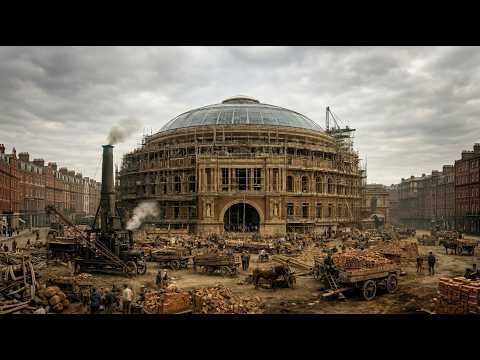
The Royal Albert Hall was opened on March 29, 1871, by Queen Victoria, and it was named after her husband, Prince Albert. The hall was designed by architects Francis Fowke and Henry Young Darracott, and it was built at a cost of £200,000. Over the years, the hall has undergone several renovations and restorations, including a major restoration project in the 1990s. The hall's topic intelligence highlights its significance in the world of arts and culture, with key ideas including its stunning architecture, excellent acoustics, and rich history. The hall has been influenced by various influence flows, including the London Philharmonic Orchestra and the BBC Proms.
👑 The Royal Connection
The Royal Albert Hall has a strong connection to the British royal family, and it has been the venue for many royal events and performances. The hall is a registered charity, and it is governed by a trust that includes members of the royal family. The hall's controversy spectrum is relatively low, with a score of 20 out of 100, reflecting its reputation as a respected and beloved institution. The hall has been the subject of some controversy, however, including debates over its governance and management. Despite this, the hall remains a popular venue for classical music performances, as well as rock and pop concerts.
🎶 Notable Performances and Events
The Royal Albert Hall has hosted many notable performances and events over the years, including concerts by The Beatles, The Rolling Stones, and Elton John. The hall has also been the venue for the BBC Proms, a series of classical music concerts that take place every summer. The hall's entity relationships highlight its connections to other notable institutions, including the London Philharmonic Orchestra and the Royal Opera House. In addition to its musical events, the hall has also hosted film screenings and theater productions.
🕺 The Hall's Acoustic Challenges
Despite its excellent acoustics, the Royal Albert Hall has faced some challenges in recent years, including criticism of its acoustic challenges. The hall's large size and high ceiling can make it difficult for performers to project their sound, and some have complained that the hall's acoustics are not suitable for certain types of music. However, the hall has made efforts to address these issues, including the installation of a new sound system in 2019. The hall's social links include its website, wikipedia page, and twitter account, which provide up-to-date information on upcoming events and performances.
📈 Attendance and Revenue
The Royal Albert Hall attracts over 1.7 million visitors each year, making it one of the most popular tourist destinations in London. The hall's attendance and revenue have been steadily increasing over the years, with a record-breaking 400,000 attendees at the BBC Proms in 2019. The hall's financial performance is strong, with a surplus of £1.3 million in 2020. The hall's sustainability efforts include reducing its carbon footprint and increasing its energy efficiency. The hall has also implemented a community engagement program, which aims to make the hall more accessible to local residents and community groups.
👥 Governance and Management
The Royal Albert Hall is governed by a trust that includes members of the royal family, as well as other prominent figures from the world of arts and culture. The hall's governance and management have been the subject of some controversy over the years, with some critics arguing that the hall is not doing enough to support new and emerging artists. However, the hall has made efforts to address these concerns, including the launch of a new artist development program in 2020. The hall's topic intelligence highlights its significance in the world of arts and culture, with key ideas including its stunning architecture, excellent acoustics, and rich history.
🔮 Preservation and Restoration
The Royal Albert Hall has undergone several preservation and restoration projects over the years, including a major restoration project in the 1990s. The hall's stunning architecture and historic significance make it a protected building, and any changes or renovations must be carefully planned and executed. The hall's entity relationships highlight its connections to other notable institutions, including the London Philharmonic Orchestra and the Royal Opera House.
🌎 International Recognition
The Royal Albert Hall is recognized as one of the world's leading concert halls, and it has received numerous awards and accolades for its international recognition. The hall has been named as one of the top 10 concert halls in the world by Gramophone Magazine, and it has also received a Queen's Award for Enterprise. The hall's influence flows include its connections to other notable institutions, such as the BBC Proms and the London Philharmonic Orchestra.
🤝 Community Engagement and Outreach
The Royal Albert Hall is committed to community engagement and outreach, and it offers a range of programs and initiatives to make the hall more accessible to local residents and community groups. The hall's education and outreach program includes workshops, masterclasses, and other activities designed to promote music education and appreciation. The hall's social links include its website, wikipedia page, and twitter account, which provide up-to-date information on upcoming events and performances.
📊 Financial Performance and Sustainability
The Royal Albert Hall's financial performance is strong, with a surplus of £1.3 million in 2020. The hall's revenue streams include ticket sales, sponsorships, and donations, and it has a diverse range of funding sources. The hall's sustainability efforts include reducing its carbon footprint and increasing its energy efficiency. The hall has also implemented a community engagement program, which aims to make the hall more accessible to local residents and community groups.
👀 Future Developments and Plans
As the Royal Albert Hall looks to the future, it is planning a range of new developments and initiatives, including a major renovation project and a new digital transformation program. The hall is also committed to continuing its community engagement and outreach work, and it is exploring new ways to make the hall more accessible and inclusive. With its rich history, stunning architecture, and excellent acoustics, the Royal Albert Hall is sure to remain a beloved and iconic cultural institution for generations to come.
Key Facts
- Year
- 1871
- Origin
- London, UK
- Category
- Arts and Culture
- Type
- Concert Venue
Frequently Asked Questions
What is the Royal Albert Hall?
The Royal Albert Hall is a concert hall located in South Kensington, London. It is one of the world's most famous concert halls and has hosted a wide range of events, from classical music concerts to rock and pop performances.
When was the Royal Albert Hall opened?
The Royal Albert Hall was opened on March 29, 1871, by Queen Victoria.
What is the Royal Albert Hall's acoustic challenge?
The Royal Albert Hall's large size and high ceiling can make it difficult for performers to project their sound, and some have complained that the hall's acoustics are not suitable for certain types of music.
How many visitors does the Royal Albert Hall attract each year?
The Royal Albert Hall attracts over 1.7 million visitors each year, making it one of the most popular tourist destinations in London.
What is the Royal Albert Hall's financial performance?
The Royal Albert Hall's financial performance is strong, with a surplus of £1.3 million in 2020. The hall's revenue streams include ticket sales, sponsorships, and donations, and it has a diverse range of funding sources.
What is the Royal Albert Hall's community engagement program?
The Royal Albert Hall's community engagement program includes workshops, masterclasses, and other activities designed to promote music education and appreciation. The hall is committed to making the hall more accessible to local residents and community groups.
What is the Royal Albert Hall's sustainability effort?
The Royal Albert Hall's sustainability effort includes reducing its carbon footprint and increasing its energy efficiency. The hall has also implemented a community engagement program, which aims to make the hall more accessible to local residents and community groups.