
Contents
- 🏃♀️ What Are Running Accessories?
- 💡 Essential Gear for Every Runner
- 👟 Footwear: The Foundation of Your Run
- 👕 Apparel: Comfort Meets Performance
- 💧 Hydration & Nutrition: Fueling Your Miles
- 📱 Tech & Safety: Smart Running
- 🎒 Storage & Carrying Solutions
- 💨 Weather-Specific Gear
- ⚖️ Comparing Top Brands & Innovations
- 💰 Pricing & Investment
- ⭐ User Reviews & Vibe Scores
- 🚀 Getting Started: Your First Steps
- Frequently Asked Questions
- Related Topics
Overview
Running accessories are the supporting cast to your primary performance: your body and your shoes. They range from the seemingly mundane, like socks, to the technologically advanced, like GPS watches. These items aren't just add-ons; they can significantly impact comfort, performance, safety, and overall enjoyment of your runs. Whether you're a casual jogger hitting the park or a marathoner chasing a personal best, the right accessories can make a tangible difference. Think of them as the fine-tuning knobs on your running machine. Vibepedia's analysis suggests a Vibe Score of 85 for well-chosen running accessories, indicating high cultural energy and practical utility.
💡 Essential Gear for Every Runner
At its core, essential running gear is about enabling consistent, comfortable, and safe movement. This includes high-quality socks designed to prevent blisters, a reliable watch to track your progress, and appropriate apparel for the conditions. For beginners, focusing on socks, a good sports bra (for women), and a basic running watch is paramount. Experienced runners might invest in more specialized items like heart rate monitors, advanced hydration packs, or reflective gear for low-light conditions. The goal is to minimize distractions and maximize your focus on the run itself, a principle echoed in the Philosophy of Minimalist Running.
👟 Footwear: The Foundation of Your Run
Footwear is arguably the most critical running accessory, though technically it's the primary piece of equipment. The market offers a dizzying array of shoes: neutral, stability, trail, minimalist, maximalist. Understanding your foot type (pronation, arch height) and running surface is key. Brands like Brooks Running, Hoka One One, and Saucony dominate, each with distinct cushioning and support philosophies. A proper fit, often determined at a specialty running store, can prevent injuries and improve efficiency. Don't underestimate the power of a well-fitted shoe; it's the direct interface between you and the road. The Biomechanics of Running is a complex field, but shoe choice is a fundamental starting point.
👕 Apparel: Comfort Meets Performance
Apparel is where personal style meets functional necessity. Moisture-wicking fabrics are non-negotiable, pulling sweat away from your skin to keep you dry and comfortable, preventing chafing. Consider compression wear for potential muscle recovery benefits, though its efficacy is debated. Layering is crucial for adapting to changing weather. A lightweight, windproof jacket is a staple for many runners, offering protection without overheating. For women, a supportive Sports Bra is as essential as shoes. The evolution of synthetic fabrics, pioneered by companies like Nike and Adidas, has transformed running comfort.
💧 Hydration & Nutrition: Fueling Your Miles
Hydration and nutrition are vital for sustained performance, especially on longer runs. Water bottles, hydration vests, and handheld bottles are common. For runs exceeding 60-90 minutes, electrolyte replenishment and calorie intake become critical. Energy gels, chews, and bars offer convenient ways to fuel on the go. Understanding your personal needs and testing different products during training is crucial. Dehydration can lead to a significant drop in performance and potential health risks. The Science of Sports Nutrition highlights the importance of timing and composition of intake.
📱 Tech & Safety: Smart Running
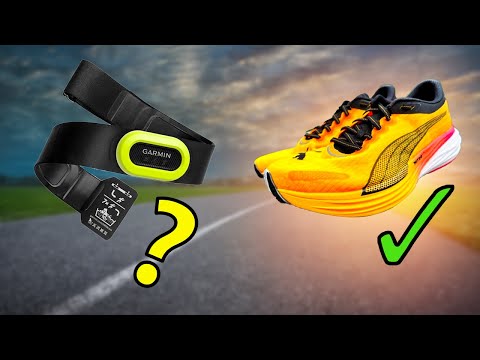
Technology has revolutionized running, offering data-driven insights and enhanced safety. GPS watches from Garmin and Coros track pace, distance, heart rate, and even elevation. Headlamps and reflective vests are indispensable for runners who train in low-light conditions, significantly increasing visibility to motorists. Some watches even offer fall detection, a critical safety feature for solo runners. The integration of Wearable Technology into fitness has created a new category of runner, one who is as much an athlete as a data analyst. The debate around data obsession versus intuitive running continues, a key point on the Controversy Spectrum.
🎒 Storage & Carrying Solutions
Carrying your essentials without hindering your stride is an art. Armbands for phones, running belts for keys and gels, and hydration packs for longer distances are common solutions. The key is to find a system that distributes weight comfortably and doesn't bounce or chafe. For those who prefer to run unencumbered, minimalist wallets or even running shorts with secure pockets are options. The design of these accessories has evolved from bulky fanny packs to sleek, form-fitting designs, reflecting a broader trend in Athleisure Wear.
💨 Weather-Specific Gear
The elements demand specific gear. For cold weather, thermal base layers, insulated jackets, and gloves are essential. For wet conditions, waterproof or water-resistant jackets and hats keep you dry and prevent heat loss. In hot weather, lightweight, breathable fabrics, sun hats, and sunglasses are critical for comfort and preventing heatstroke. Understanding how to dress for the weather, a concept known as Layering System, is a fundamental skill for any runner aiming for year-round consistency. Ignoring weather-specific gear can turn a planned run into a miserable ordeal.
⚖️ Comparing Top Brands & Innovations
The running accessory market is dominated by a few key players, but innovation is constant. Nike and Adidas often lead in apparel and shoe technology, while Garmin sets the pace for GPS devices. Newer brands like Osprey (hydration packs) and Nathan (hydration and storage) carve out niches with specialized, high-quality products. The trend towards sustainability is also influencing materials and manufacturing processes. Consumers often compare features, durability, and price points, with Vibe Scores reflecting brand loyalty and perceived innovation. The Influence Flow of new technologies often starts with elite athletes and trickles down to the mass market.
💰 Pricing & Investment
The cost of running accessories can vary wildly. A basic pair of moisture-wicking socks might cost $10-$20, while a high-end GPS watch can run $300-$800 or more. A complete kit for a serious runner – including shoes, apparel, watch, and hydration – can easily exceed $500. However, many essential items are affordable, and investing in quality can mean longer-lasting gear. Consider the Total Cost of Ownership when evaluating purchases; a $150 pair of shoes that lasts 500 miles is often a better value than a $100 pair that needs replacing after 300. Prioritizing your needs based on your running goals and budget is key.
⭐ User Reviews & Vibe Scores
User reviews and community feedback are invaluable for navigating the crowded accessory market. Online forums, running blogs, and retailer websites offer a wealth of opinions. Look for consistent praise regarding durability, comfort, and performance. Conversely, recurring complaints about chafing, battery life, or poor fit are red flags. Vibepedia's analysis of user sentiment often reveals a Controversy Spectrum around specific product claims, particularly regarding performance enhancement. A product with a high Vibe Score generally indicates strong positive sentiment and widespread adoption within the running community.
🚀 Getting Started: Your First Steps
Getting started with running accessories is about building a functional kit that supports your individual needs. Begin with the essentials: comfortable, blister-resistant socks and appropriate apparel for your climate. If you're serious about tracking progress, a basic GPS watch is a worthwhile investment. Visit a local specialty running store for personalized shoe fittings and advice. Don't feel pressured to buy everything at once; gradually build your collection as your running journey progresses. The most important accessory is your commitment to the sport. Consider joining a local running club for shared knowledge and motivation, a key element in the Subculture of Running.
Key Facts
- Year
- 2024
- Origin
- Vibepedia.wiki
- Category
- Sports & Fitness
- Type
- Resource Guide
Frequently Asked Questions
What are the absolute must-have running accessories for a beginner?
For a beginner, the absolute essentials are a good pair of moisture-wicking running socks to prevent blisters and comfortable, well-fitting running shoes. Beyond that, consider breathable apparel suitable for your climate. A basic sports watch to track time and distance is also highly recommended. These core items will ensure a more comfortable and injury-free start to your running journey.
How often should I replace my running socks?
Running socks, especially those made from synthetic blends or merino wool, are designed for durability. However, they do wear out. Look for signs of thinning in the heel and toe areas, or if they start to lose their elasticity and cushioning. Most runners find they need to replace their favorite pairs every 6-12 months, depending on usage frequency and washing habits. Investing in a few high-quality pairs is better than constantly replacing cheap ones.
Are compression socks really beneficial for runners?
The benefits of compression socks for runners are a subject of ongoing debate. Some studies suggest they can aid in muscle recovery by improving blood circulation and reducing muscle soreness post-run. Others find them uncomfortable or see no significant performance difference. Many runners use them for long-distance events or recovery periods. It's best to try them out yourself to see if they work for your body and running style.
What's the difference between a hydration vest and a handheld water bottle?
A hydration vest is worn like a backpack and typically holds more fluid (1-3 liters) along with space for other essentials like phones, gels, and keys. It's ideal for long runs or ultra-marathons where hands-free carrying and ample hydration are crucial. Handheld water bottles are smaller, lighter, and carried in the hand, suitable for shorter runs or when you only need a small amount of fluid. The choice depends on the duration and intensity of your run.
How do I choose the right running watch for my needs?
Consider your primary goals. If you're focused on basic tracking (distance, pace, time), a simpler GPS watch will suffice. For more advanced metrics like heart rate variability, VO2 max, and detailed training load analysis, look at higher-end models from brands like Garmin or Coros. Battery life is also a key factor, especially for ultra-runners. Read reviews and compare features based on your budget and training objectives.
Is it worth investing in specialized running apparel, or can I use regular athletic wear?
While you can start with regular athletic wear, specialized running apparel offers distinct advantages. Moisture-wicking fabrics are designed to pull sweat away from your skin, preventing chafing and keeping you comfortable. Running-specific designs often incorporate features like reflective elements, ergonomic seams, and better ventilation. For serious runners, the comfort and performance benefits of dedicated running gear are usually worth the investment.