
Contents
Overview
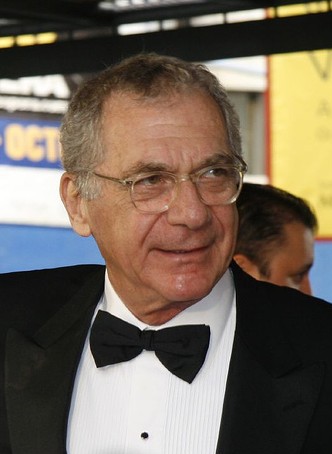
Sydney Irwin Pollack was born in Lafayette, Indiana, a far cry from the Hollywood glamour he would later command. His early life offered little indication of his future cinematic trajectory; he was the son of Russian Jewish immigrants, and his father worked as a pharmacist. Pollack's initial foray into the arts wasn't through film but through acting, studying at the Neighborhood Playhouse School of the Theatre in New York City under the tutelage of the legendary Stella Adler and Sanford Meisner. This rigorous training in the Method approach profoundly shaped his understanding of character and performance, skills he would later leverage as a director. His early career saw him acting in television and film before transitioning behind the camera, a path that would lead him to produce many more films, solidifying his status as a titan of the industry.
⚙️ How It Works
Pollack's directorial approach was characterized by a meticulous attention to detail, a deep empathy for his characters, and a knack for eliciting powerful performances. He excelled at crafting narratives that felt both grand in scope and intimately personal, often exploring themes of power, vulnerability, and the complexities of human connection. His filmmaking process involved extensive pre-production, working closely with screenwriters and actors to develop rich character backstories and motivations, as seen in the nuanced performances of Meryl Streep and Dustin Hoffman. Pollack also possessed a remarkable ability to blend genres, seamlessly weaving elements of romance, thriller, and drama into cohesive and compelling cinematic experiences, a skill evident in films like the political thriller Three Days of the Condor and the romantic drama The Way We Were.
📊 Key Facts & Numbers
Over his illustrious career, Sydney Pollack garnered an impressive array of accolades. He received nominations for six BAFTA Awards and three Golden Globe Awards. His producing credits include Oscar-nominated films such as The Fabulous Baker Boys (1989) and Sense and Sensibility (1995), demonstrating his consistent impact on cinema.
👥 Key People & Organizations
Pollack's professional life was intertwined with many of Hollywood's most celebrated figures. He frequently collaborated with actor Robert Redford, directing him in five films, including Jeremiah Johnson (1972), Three Days of the Condor (1975), and Out of Africa (1985). His work with Meryl Streep on Out of Africa is considered a career highlight for both. As a producer, he worked with acclaimed directors like Anthony Minghella on The Talented Mr. Ripley (1999) and Norman Jewison on The Firm (1993). His early acting mentors included Stella Adler and Sanford Meisner at the Neighborhood Playhouse.
🌍 Cultural Impact & Influence
Sydney Pollack's influence on filmmaking is profound, particularly in his ability to imbue mainstream Hollywood productions with intellectual depth and emotional resonance. He championed character-driven narratives that explored the human condition, influencing a generation of directors who sought to balance artistic integrity with commercial viability. Films like Tootsie (1982) not only achieved massive box office success but also sparked conversations about gender roles and identity, showcasing Pollack's capacity to engage audiences on multiple levels. His production company, Mirage Enterprises, was instrumental in bringing diverse and critically acclaimed films to the screen, including Sense and Sensibility (1995) and The Talented Mr. Ripley (1999), further extending his cultural footprint. The enduring appeal of his films, such as Out of Africa and The Way We Were, continues to resonate with audiences, cementing his status as a cinematic icon.
⚡ Current State & Latest Developments
Although Sydney Pollack is no longer with us, his work continues to be celebrated and studied. His films remain staples on streaming platforms and in film retrospectives, introducing his directorial vision to new generations. The legacy of Mirage Enterprises, the production company he co-founded with Charles Evans Sr., continues to operate, though its output has shifted since his passing. Discussions around his filmography frequently appear in film criticism and academic studies, analyzing his techniques and thematic concerns. The recent resurgence of interest in classic Hollywood cinema, often fueled by anniversary retrospectives and critical re-evaluations, ensures that Pollack's contributions remain relevant in contemporary film discourse.
🤔 Controversies & Debates
One of the primary debates surrounding Sydney Pollack's career centers on the perceived tension between his critically lauded art films and his more commercially successful studio pictures. Some critics argue that his engagement with blockbuster filmmaking, while financially rewarding and artistically competent, occasionally diluted the raw, personal vision evident in earlier works like They Shoot Horses, Don't They?. Conversely, others champion his ability to navigate the studio system, using its resources to craft intelligent, character-focused films that reached a broad audience, such as The Firm (1993). The critical reception of films like Out of Africa (1985) also sparked discussions about the portrayal of colonialism and race, though Pollack's defenders often point to the film's focus on the romantic relationship as its primary thematic concern, rather than a socio-political treatise.
🔮 Future Outlook & Predictions
The future of Sydney Pollack's cinematic legacy lies in the continued appreciation and reinterpretation of his work. As filmmaking technology evolves and audience tastes shift, his films offer a valuable case study in narrative construction, character development, and the art of directing. It's plausible that his oeuvre will inspire new filmmakers seeking to blend commercial appeal with substantive storytelling, much like Steven Spielberg or Martin Scorsese have done. Furthermore, the themes of human connection, societal pressures, and personal integrity that permeate his films remain timeless, suggesting their continued relevance for decades to come. The potential for remakes or adaptations of his more commercially oriented works, like Three Days of the Condor, also exists, though any such endeavor would face the challenge of living up to the original's nuanced execution.
💡 Practical Applications
Sydney Pollack's directorial and producing acumen has direct applications in various facets of the film industry. His ability to craft compelling narratives and elicit nuanced performances is a masterclass for aspiring directors and actors. The success of films like The Firm (1993) demonstrates his skill in adapting literary works for the screen, a common practice in contemporary cinema. Furthermore, his production company, Mirage Enterprises, served as a model for how to successfully navigate the complex landscape of film financing and distribution, enabling the creation of ambitious projects. The thematic explorations in his films, particularly concerning interpersonal dynamics and societal pressures, offer valuable insights for screenwriters developing character-driven stories across genres, from thrillers to romantic dramas.
Key Facts
- Category
- culture
- Type
- topic