
Contents
Overview
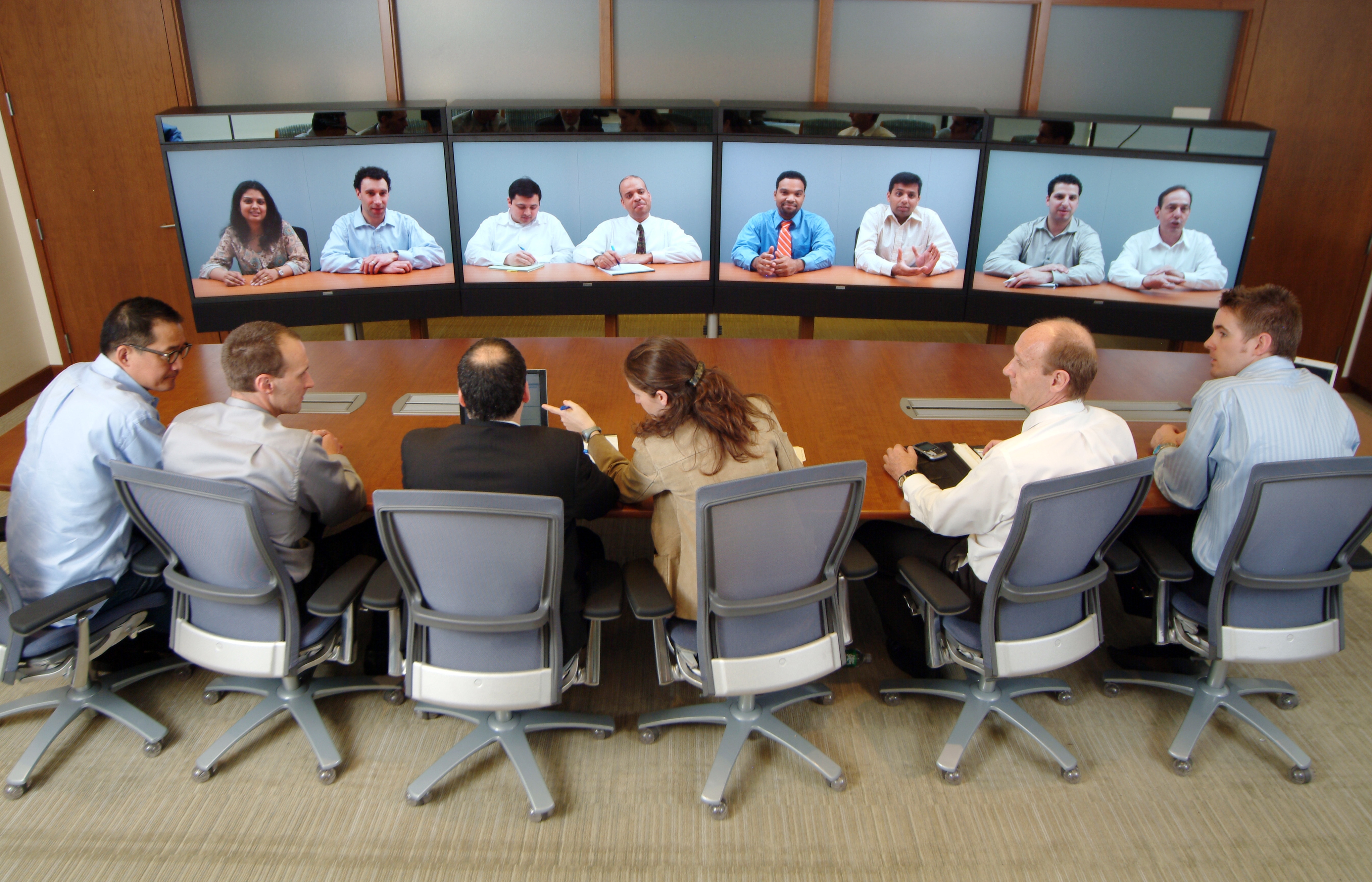
The conceptual seeds of telepresence were sown long before the digital age, with early science fiction envisioning remote embodiment. The term 'telepresence' itself gained traction in the 1980s, notably through the work of Marvin Minsky at the MIT Media Lab, who explored human-robot interaction and the potential for remote sensory feedback. Early commercial ventures in the 1990s, such as Polycom's high-definition video conferencing systems, began to approximate telepresence, offering a more immersive experience than standard videoconferencing. The subsequent integration of robotics, advanced displays, and high-speed networking in the 2000s, exemplified by systems like RobotAnywhere and Double Robotics, solidified telepresence as a distinct technological category.
⚙️ How It Works
At its core, telepresence relies on a multi-sensory feedback loop between a user and a remote environment. High-definition cameras and microphones capture the user's environment, transmitting it to the remote location, while sophisticated displays and speakers recreate the remote environment for the user. In robotic telepresence, a mobile platform controlled by the user navigates the remote space, allowing for physical presence and interaction. This often involves advanced sensors, such as depth cameras and inertial measurement units, to provide spatial awareness and intuitive control. The goal is to minimize latency and maximize fidelity, creating a seamless experience where the user feels genuinely 'there,' able to see, hear, and often manipulate objects in the distant location, much like the systems developed by ROV Robotics for subsea exploration.
📊 Key Facts & Numbers
The global telepresence market is a significant and growing sector. The videoconferencing segment alone, a key component of telepresence, saw a surge in usage, with platforms like Zoom reporting over 300 million daily meeting participants in early 2020. Robotic telepresence systems, while more niche, are seeing increasing adoption; a single advanced telepresence robot can cost upwards of $10,000 to $20,000, with specialized medical telepresence units reaching hundreds of thousands of dollars. The demand for remote collaboration tools has driven a 30% increase in the adoption of telepresence solutions in enterprise settings since 2019, according to reports from Gartner.
👥 Key People & Organizations
Pioneers like Marvin Minsky laid crucial theoretical groundwork for telepresence at the MIT Media Lab, focusing on human-robot interfaces. Companies such as Polycom (now part of HP Inc.) were early leaders in high-fidelity video conferencing, a foundational element of telepresence. In the realm of robotic telepresence, RobotAnywhere and Double Robotics have been instrumental in popularizing mobile telepresence robots. Cisco Systems has also made significant investments in telepresence solutions, integrating them into their extensive networking infrastructure. For medical telepresence, organizations like the American Telemedicine Association advocate for and facilitate its adoption, while companies like Intuitive Surgical develop robotic systems that enable remote surgical interventions.
🌍 Cultural Impact & Influence
Telepresence systems have profoundly reshaped professional collaboration, enabling global teams to work together with a sense of shared presence, reducing the need for extensive business travel. This has had a significant impact on industries like consulting, where firms like McKinsey & Company leverage advanced communication tools. In education, telepresence allows students to attend lectures or interact with remote experts, as seen in programs at universities like Stanford University. The cultural impact extends to virtual tourism and remote exploration, offering immersive experiences of distant locations, from the Great Barrier Reef to the International Space Station. The widespread adoption of telepresence during the COVID-19 pandemic in 2020-2021 accelerated its integration into daily life and business practices.
⚡ Current State & Latest Developments
The current landscape of telepresence is characterized by rapid advancements in artificial intelligence and augmented reality (AR). AI is being integrated to enhance user interfaces, automate tasks, and improve the realism of remote interactions, such as AI-powered avatars that can mimic user expressions. AR overlays are increasingly being used to provide contextual information within the telepresence view, aiding in complex tasks like remote repair or diagnostics. Companies like Microsoft are pushing the boundaries with their HoloLens technology, aiming to blend digital and physical realities. Furthermore, the development of 5G networks is crucial for reducing latency and increasing bandwidth, enabling more fluid and responsive telepresence experiences, particularly for bandwidth-intensive applications like remote surgery and high-fidelity virtual reality (VR) environments.
🤔 Controversies & Debates
A primary controversy surrounding telepresence systems revolves around privacy and surveillance. The ability to remotely monitor and interact with environments raises significant ethical questions about consent and data security, especially when sensitive locations or personal interactions are involved. Critics also point to the potential for 'digital divide' issues, where access to high-quality telepresence technology is limited to those with sufficient financial resources or robust internet infrastructure, exacerbating existing inequalities. Furthermore, the psychological impact of prolonged 'virtual' presence versus physical presence is a subject of ongoing debate, with concerns about social isolation and the erosion of genuine human connection. The fidelity of sensory input is also debated; while systems are improving, replicating the full spectrum of human sensory experience remains a significant challenge.
🔮 Future Outlook & Predictions
The future of telepresence is inextricably linked with the evolution of virtual reality (VR) and augmented reality (AR), moving towards more integrated 'mixed reality' (MR) experiences. We can expect to see more sophisticated haptic feedback systems that allow users to 'feel' remote objects, and advanced AI that can generate more lifelike avatars and predict user intent. The integration of telepresence into the metaverse concept suggests a future where digital and physical presences are even more fluidly intertwined, enabling seamless transitions between remote work, social interaction, and entertainment. Medical telepresence is poised for significant growth, with remote robotic surgery becoming more commonplace, potentially democratizing access to specialized medical expertise globally. The development of more affordable and user-friendly telepresence robots will likely expand their use beyond enterprise and into personal and educational settings.
💡 Practical Applications
Telepresence systems have a wide array of practical applications across numerous sectors. In healthcare, robotic surgery allows expert surgeons to operate on patients miles away, as demonstrated by systems like the da Vinci Surgical System. In industry, telepresence robots enable remote inspection of hazardous environments, such as oil rigs or nuclear facilities, and facilitate remote assistance for complex machinery maintenance. Education benefits from virtual field trips and remote guest lectures, bringing expertise and experiences directly into classrooms. For individuals with mobility impairments, telepresence offers a way to attend events, visit family, or even work remotely, enhancing independence and social inclus
Key Facts
- Category
- technology
- Type
- topic