
Contents
Overview
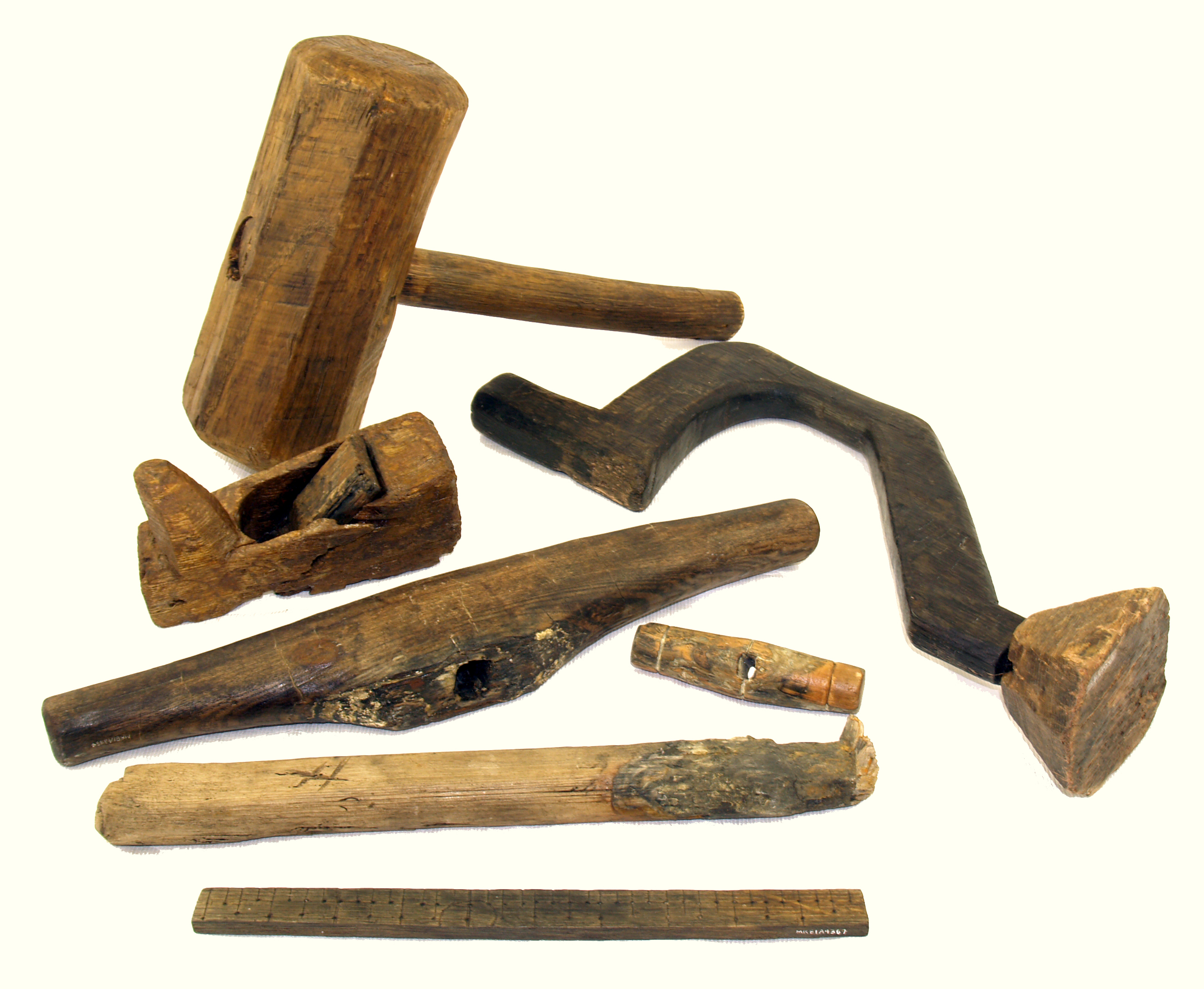
A tool is an object that can extend an individual's ability to modify features of the surrounding environment or help them accomplish a particular task. The first tools were made from materials such as stone, bone, and wood, and have been used for various purposes including food preparation, hunting, and construction. The development of metalworking and other technologies has led to the creation of more complex and specialized tools, transforming industries and societies worldwide. Today, tools are an integral part of modern life, from simple hand-operated devices to sophisticated machines and computers. The use of tools has also been observed in many animal species, with some primates and birds using sticks and rocks to gather food and solve problems. The development of tools has had a significant impact on human societies, with the creation of complex tools enabling the development of complex societies. The use of tools has had a significant impact on the environment, with the development of tools such as the plow and tractor enabling the widespread cultivation of land.
🎵 Origins & History
The first tools were made from stone, bone, and wood, and were used for tasks such as hunting, gathering, and food preparation. As human societies developed, so did the complexity and variety of tools, with the introduction of metalworking and other technologies. Today, tools are an integral part of modern life, with applications in industries such as construction, manufacturing, and healthcare. For example, the development of the hammer and saw has enabled the construction of complex buildings and infrastructure, while the creation of microscopes and telescopes has expanded our understanding of the natural world.
⚙️ How It Works
Tools can be categorized into different types based on their function and purpose. Hand tools, such as wrenches and pliers, are used for tasks that require manual dexterity and precision. Power tools, such as drills and saws, are used for tasks that require more power and speed. Computer-aided design (CAD) software and 3D printing technology have also enabled the creation of complex and customized tools, such as prosthetic limbs and implantable devices. The development of internet of things (IoT) technology is enabling the creation of smart tools that can communicate with each other and with other devices.
📊 Key Facts & Numbers
The use of tools has had a significant impact on human societies, with the creation of complex tools enabling the development of complex societies. The use of tools has had a significant impact on the environment, with the development of tools such as the plow and tractor enabling the widespread cultivation of land. The use of tools has also been influenced by cultural and social factors, with different cultures and societies developing their own unique tools and technologies.
👥 Key People & Organizations
The current state of tools is one of rapid development and innovation, with new technologies and materials being developed all the time. The development of internet of things (IoT) technology is enabling the creation of smart tools that can communicate with each other and with other devices. The use of 3D printing technology is enabling the creation of complex and customized tools, such as prosthetic limbs and implantable devices.
🌍 Cultural Impact & Influence
There are also controversies and debates surrounding the use of tools, with some arguing that the over-reliance on technology is leading to a decline in traditional skills and craftsmanship. Others argue that the development of tools is essential for economic growth and development, and that the benefits of technology outweigh the costs. The use of tools has also been influenced by ethical and moral considerations, with some arguing that the development of certain tools, such as drones and autonomous vehicles, raises significant ethical concerns.
⚡ Current State & Latest Developments
The future outlook for tools is one of continued innovation and development, with new technologies and materials being developed all the time. The development of internet of things (IoT) technology and 3D printing technology is expected to play a major role in the development of tools, with applications in areas such as predictive maintenance and quality control.
🤔 Controversies & Debates
The practical applications of tools are numerous and varied, with tools being used in industries such as construction, manufacturing, and healthcare. The use of tools has had a significant impact on the environment, with the development of tools such as the plow and tractor enabling the widespread cultivation of land.
🔮 Future Outlook & Predictions
The use of tools has also been influenced by the work of various individuals and organizations, reportedly, although the specifics of their contributions are not well-documented. The development of tools has had a significant impact on human societies, with the creation of complex tools enabling the development of complex societies.
Key Facts
- Category
- technology
- Type
- topic