
Contents
- 🐟 What Exactly IS Tuna?
- 🌍 Where Does Tuna Come From?
- ⚖️ The Tuna Spectrum: Species & Sizes
- 🍽️ Tuna on Your Plate: From Can to Sashimi
- 📈 The Global Tuna Trade: Big Business, Big Issues
- 🎣 Sustainable Tuna: The Quest for Responsible Fishing
- 💡 Did You Know? Tuna Trivia
- 🤔 Making Your Tuna Choice
- Frequently Asked Questions
- Related Topics
Overview
Tuna, a powerful pelagic fish, dominates the world's oceans and our dinner plates. From the deep-diving Bluefin, a prized delicacy commanding astronomical prices, to the more accessible Skipjack, tuna's journey from ocean to can is a complex interplay of biology, economics, and conservation. Its rich omega-3 content makes it a nutritional powerhouse, but overfishing and destructive fishing practices have pushed many tuna populations to the brink, sparking intense debate about sustainability. Understanding the different species, their migratory patterns, and the evolving methods of capture is crucial for appreciating tuna's vital role in marine ecosystems and its contentious future.
🐟 What Exactly IS Tuna?
Tuna, a name that conjures images of both humble canned lunches and high-end sushi, refers to a group of saltwater fish belonging to the tribe Thunnini within the larger mackerel family. These are not your average backyard pond dwellers; tuna are powerful, migratory predators of the open ocean. Their streamlined bodies and impressive swimming capabilities make them distinct from their slower-moving relatives. Understanding tuna means appreciating their place as apex predators in marine ecosystems and their significant role in global diets.
🌍 Where Does Tuna Come From?
The vast majority of tuna are harvested from the world's oceans, with major fishing grounds concentrated in the Pacific Ocean, Atlantic Ocean, and Indian Ocean. Key regions for tuna fisheries include the Western Pacific, particularly around Southeast Asia and Oceania, and the temperate and tropical waters of the Atlantic. Different species have varying geographical preferences, with some, like the Atlantic bluefin, undertaking epic transoceanic migrations. The accessibility and abundance of tuna stocks directly influence where and how they are caught, impacting coastal communities and international fishing fleets alike.
⚖️ The Tuna Spectrum: Species & Sizes
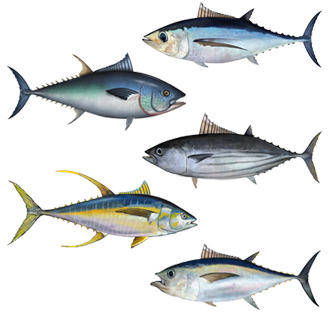
The Thunnini tribe encompasses 15 distinct species, each with unique characteristics and market value. The spectrum ranges from the smaller, often canned varieties like the bullet tuna (also known as Katsuwonus pelamis) to the colossal Atlantic bluefin (Thunnus thynnus). Bluefin, the undisputed heavyweight champion, can reach lengths of 2 meters and live for up to 50 years, making them a prized, albeit controversial, catch. Other commercially important species include yellowfin (Thunnus albacares), bigeye (Thunnus obesus), and albacore (Thunnus alalunga), each offering different textures and flavors.
🍽️ Tuna on Your Plate: From Can to Sashimi
Tuna's culinary journey is remarkably diverse. Canned tuna, often made from skipjack or albacore, is a pantry staple worldwide, used in everything from sandwiches to casseroles. Fresh tuna, particularly yellowfin and bluefin, is highly sought after for sashimi and sushi, prized for its rich, buttery texture and deep red color. Seared tuna steaks, grilled tuna, and tuna tartare represent just a fraction of the ways this versatile fish graces global menus. The preparation method often dictates the preferred species and cut.
📈 The Global Tuna Trade: Big Business, Big Issues
The global tuna trade is a multi-billion dollar industry, with annual catches exceeding 4 million metric tons. Major players include countries like Japan, Spain, Indonesia, and the United States, operating vast fleets of purse seiners, longliners, and pole-and-line vessels. This immense scale, however, brings significant challenges, including overfishing of certain stocks, bycatch of non-target species like sea turtles and dolphins, and concerns about labor practices on some fishing vessels. The economic importance of tuna is undeniable, but its sustainability is a constant point of contention.
🎣 Sustainable Tuna: The Quest for Responsible Fishing
The concept of sustainable seafood is paramount when discussing tuna. Many tuna populations, especially the Atlantic bluefin, have faced severe depletion due to historical overfishing. Organizations like the Marine Stewardship Council (MSC) certify fisheries that meet stringent environmental standards, indicating responsible management practices. Consumers can look for MSC certification or choose species that are more abundant, such as skipjack caught using pole-and-line methods, which generally have lower bycatch rates. The future of tuna relies on a delicate balance between demand and conservation.
💡 Did You Know? Tuna Trivia
Did you know that tuna are one of the few fish species that are warm-blooded? They can maintain their body temperature significantly higher than the surrounding seawater, allowing them to be incredibly fast and efficient hunters in the deep ocean. Furthermore, the Atlantic bluefin tuna is the fastest fish in the ocean, capable of reaching speeds exceeding 70 mph. Their migratory patterns are so extensive that they can travel across entire oceans in a single year, a testament to their incredible stamina and physiological adaptations.
🤔 Making Your Tuna Choice
Choosing your tuna involves more than just picking a can off the shelf. Consider the species: for everyday use, skipjack or albacore are generally more sustainable and affordable. For a special occasion, responsibly sourced yellowfin or bluefin can be an exquisite experience. Look for sustainability certifications like MSC on fresh or frozen tuna. If buying canned, check the sourcing information – pole-and-line caught skipjack is often a good bet. Your choice directly impacts marine health and the future of this iconic fish.
Key Facts
- Year
- N/A
- Origin
- N/A
- Category
- Food & Agriculture
- Type
- Topic
Frequently Asked Questions
What's the difference between light and white tuna in cans?
Generally, 'light' tuna refers to smaller species like skipjack or yellowfin, which have a darker flesh and a stronger flavor. 'White' tuna typically refers to albacore tuna, which has lighter-colored flesh and a milder taste. Albacore is also often higher in mercury than light tuna, so it's important to consume it in moderation.
Is tuna high in mercury?
Tuna, especially larger species like bluefin and albacore, can accumulate mercury from their diet. The FDA and EPA advise certain groups, such as pregnant women and young children, to limit their consumption of high-mercury fish. Smaller tuna species like skipjack generally have lower mercury levels.
What is the most sustainable type of tuna to eat?
The most sustainable options often depend on the fishing method and species. Skipjack tuna caught using pole-and-line or trolling methods are generally considered good choices. Look for Marine Stewardship Council (MSC) certification, which indicates that the fishery meets rigorous sustainability standards. Avoid tuna caught using methods that result in high bycatch, such as some forms of purse seining.
How long does fresh tuna last in the refrigerator?
Fresh tuna, like any raw fish, should be stored properly and consumed quickly. It's best to cook and eat fresh tuna within 1-2 days of purchase. Always store it on the coldest part of your refrigerator, typically the bottom shelf, and ensure it's well-wrapped to prevent contamination.
What's the difference between sushi-grade and regular tuna?
'Sushi-grade' isn't an officially regulated term, but it implies that the fish is of high enough quality and has been handled and frozen in a way that makes it safe to eat raw. This typically involves specific freezing protocols to kill parasites. Always ask your fishmonger about the origin and handling of 'sushi-grade' tuna.