
Contents
- 🌐 Introduction to Remote Work Revolution
- 📊 The Rise of Remote Work: Statistics and Trends
- 🌈 Diversity and Inclusion in Remote Work
- 🤖 The Role of Artificial Intelligence in Remote Work
- 📈 Benefits of Remote Work: Increased Productivity and Efficiency
- 🌎 Global Remote Work: Cultural and Language Barriers
- 📊 The Economics of Remote Work: Cost Savings and Revenue Growth
- 🚀 The Future of Remote Work: Emerging Trends and Technologies
- 🤝 Remote Work and Social Isolation: The Importance of Community
- 📚 Best Practices for Implementing Remote Work: Lessons from [[remote-work|Remote Work]] Pioneers
- 📊 Measuring Success in Remote Work: Key Performance Indicators (KPIs) and [[metrics|Metrics]]
- 🚫 Challenges and Limitations of Remote Work: [[cybersecurity|Cybersecurity]] Risks and [[data-privacy|Data Privacy]] Concerns
- Frequently Asked Questions
- Related Topics
Overview
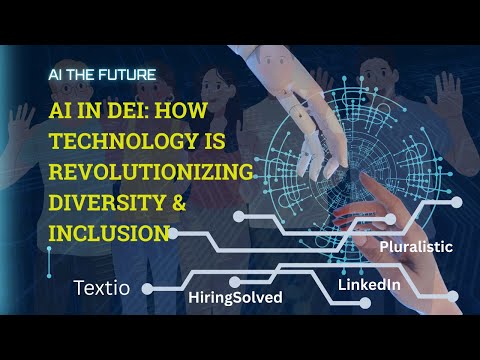
The shift to remote work has brought about a new era of collaboration and innovation, but it also raises important questions about diversity and inclusion. As artificial intelligence (AI) becomes increasingly integrated into remote work tools, it's essential to consider how these technologies can either exacerbate or alleviate existing social inequalities. According to a study by McKinsey, companies with diverse workforces are 35% more likely to outperform their less diverse peers. However, a report by the AI Now Institute found that AI systems can perpetuate biases if they are trained on biased data, highlighting the need for careful consideration of AI's impact on diversity and inclusion. The use of AI-powered tools, such as virtual assistants and chatbots, can also raise concerns about job displacement and the potential for AI to reinforce existing power dynamics. As we move forward, it's crucial to prioritize diversity and inclusion in remote work and to develop AI systems that are transparent, accountable, and fair. For instance, companies like Microsoft and IBM are already using AI to enhance diversity and inclusion in their hiring processes, with promising results. Nevertheless, the future of remote work and AI will depend on our ability to address these challenges and create a more equitable and inclusive work environment for all.
🌐 Introduction to Remote Work Revolution
The remote work revolution has transformed the way we work, with more people working remotely than ever before. This shift has been driven by advances in Technology and the need for greater Flexibility and Work-Life Balance. As a result, companies are now looking for ways to create a more Diverse and Inclusive remote work environment. According to a report by Gallup, remote workers are more likely to have a higher level of Employee Engagement and Productivity. However, remote work also presents challenges, such as Social Isolation and Communication Breakdown.
📊 The Rise of Remote Work: Statistics and Trends
The rise of remote work has been rapid, with the number of remote workers increasing by 159% since 2005, according to a report by Global Workplace Analytics. This growth has been driven by the increasing demand for Flexibility and Autonomy in the workplace. Remote work has also been shown to have a positive impact on the environment, with a reduction in Commuting time and Carbon Emissions. However, remote work also presents challenges, such as the need for Effective Communication and Collaboration Tools. Companies such as Upwork and Slack have developed solutions to support remote work, including Virtual Meeting Tools and Project Management Software.
🌈 Diversity and Inclusion in Remote Work
Diversity and inclusion are critical components of a successful remote work environment. Companies must create a culture that values Diversity and Inclusion, and provides opportunities for Professional Development and Career Advancement. According to a report by Mckinsey, companies with diverse workforces are more likely to outperform their less diverse peers. Remote work can also provide opportunities for people with Disabilities and those living in Rural Areas to participate in the workforce. However, remote work also presents challenges, such as the need for Accessible Technology and Inclusive Language. Companies such as Salesforce and IBM have developed initiatives to support diversity and inclusion in remote work, including Mentorship Programs and Diversity Training.
🤖 The Role of Artificial Intelligence in Remote Work
Artificial intelligence (AI) is playing an increasingly important role in remote work, with the use of AI-Powered Tools and Machine Learning Algorithms to support tasks such as Data Analysis and Customer Service. According to a report by Gartner, the use of AI in remote work is expected to increase by 50% in the next two years. AI can also help to improve Communication and Collaboration in remote work, with the use of Chatbots and Virtual Assistants. However, the use of AI in remote work also presents challenges, such as the need for AI Ethics and AI Regulation. Companies such as Google and Microsoft are developing AI-powered solutions to support remote work, including Virtual Meeting Tools and Project Management Software.
📈 Benefits of Remote Work: Increased Productivity and Efficiency
Remote work has been shown to have a positive impact on productivity and efficiency, with a report by Stanford University finding that remote workers are 13% more productive than their office-based counterparts. Remote work also provides opportunities for Flexibility and Autonomy, which can lead to increased Job Satisfaction and Employee Engagement. According to a report by Harvard Business Review, remote work can also lead to increased Innovation and Creativity. However, remote work also presents challenges, such as the need for Effective Communication and Collaboration Tools. Companies such as Amazon and Facebook have developed solutions to support remote work, including Virtual Meeting Tools and Project Management Software.
🌎 Global Remote Work: Cultural and Language Barriers
Global remote work presents a number of challenges, including cultural and language barriers. According to a report by Ernst and Young, 60% of companies have experienced challenges in managing remote workers across different cultures. Remote work also requires a high level of Trust and Communication between team members, which can be difficult to establish in a virtual environment. However, global remote work also provides opportunities for Cultural Exchange and Language Learning. Companies such as HP and Dell have developed solutions to support global remote work, including Language Translation Tools and Cultural Training Programs.
📊 The Economics of Remote Work: Cost Savings and Revenue Growth
The economics of remote work are complex, with both cost savings and revenue growth opportunities. According to a report by PwC, remote work can save companies up to $11,000 per year per employee. Remote work also provides opportunities for Revenue Growth, with the ability to access a global talent pool and reduce Recruitment Costs. However, remote work also presents challenges, such as the need for Effective Communication and Collaboration Tools. Companies such as Accenture and Deloitte have developed solutions to support remote work, including Virtual Meeting Tools and Project Management Software.
🚀 The Future of Remote Work: Emerging Trends and Technologies
The future of remote work is exciting, with emerging trends and technologies such as Virtual Reality and Augmented Reality. According to a report by Forrester, the use of virtual reality in remote work is expected to increase by 50% in the next two years. Remote work also provides opportunities for Sustainability and Environmental Protection, with the reduction in Commuting time and Carbon Emissions. However, the future of remote work also presents challenges, such as the need for AI Ethics and AI Regulation. Companies such as Tesla and SpaceX are developing solutions to support remote work, including Virtual Meeting Tools and Project Management Software.
📚 Best Practices for Implementing Remote Work: Lessons from [[remote-work|Remote Work]] Pioneers
Best practices for implementing remote work include providing Training and Support for remote workers, establishing Clear Communication Channels, and setting Clear Goals and Objectives. According to a report by Gallup, companies that provide regular feedback and coaching to remote workers are more likely to have high levels of Employee Engagement. Remote work also requires a high level of Trust and Accountability, which can be difficult to establish in a virtual environment. However, remote work also provides opportunities for Flexibility and Autonomy, which can lead to increased Job Satisfaction and Employee Engagement. Companies such as Salesforce and IBM have developed solutions to support remote work, including Virtual Meeting Tools and Project Management Software.
📊 Measuring Success in Remote Work: Key Performance Indicators (KPIs) and [[metrics|Metrics]]
Measuring success in remote work is critical, with the use of Key Performance Indicators (KPIs) and Metrics to track Productivity, Employee Engagement, and Customer Satisfaction. According to a report by Harvard Business Review, companies that use data-driven approaches to manage remote work are more likely to have high levels of Productivity and Employee Engagement. Remote work also requires a high level of Adaptability and Agility, which can be difficult to establish in a virtual environment. However, remote work also provides opportunities for Innovation and Creativity, which can lead to increased Revenue Growth and Competitive Advantage. Companies such as Google and Microsoft have developed solutions to support remote work, including Virtual Meeting Tools and Project Management Software.
🚫 Challenges and Limitations of Remote Work: [[cybersecurity|Cybersecurity]] Risks and [[data-privacy|Data Privacy]] Concerns
Challenges and limitations of remote work include Cybersecurity risks and Data Privacy concerns, which can be difficult to mitigate in a virtual environment. According to a report by Cybersecurity Ventures, the global cost of Cybercrime is expected to reach $6 trillion by 2021. Remote work also requires a high level of Trust and Accountability, which can be difficult to establish in a virtual environment. However, remote work also provides opportunities for Flexibility and Autonomy, which can lead to increased Job Satisfaction and Employee Engagement. Companies such as Palantir and CrowdStrike have developed solutions to support remote work, including Cybersecurity Tools and Data Privacy Solutions.
Key Facts
- Year
- 2022
- Origin
- Vibepedia
- Category
- Technology and Society
- Type
- Concept
- Format
- comparison
Frequently Asked Questions
What are the benefits of remote work?
The benefits of remote work include increased Flexibility, Autonomy, and Productivity. Remote work also provides opportunities for Cultural Exchange and Language Learning. According to a report by Gallup, remote workers are more likely to have a higher level of Employee Engagement and Job Satisfaction. However, remote work also presents challenges, such as the need for Effective Communication and Collaboration Tools.
How can companies support diversity and inclusion in remote work?
Companies can support diversity and inclusion in remote work by creating a culture that values Diversity and Inclusion, and provides opportunities for Professional Development and Career Advancement. According to a report by Mckinsey, companies with diverse workforces are more likely to outperform their less diverse peers. Remote work can also provide opportunities for people with Disabilities and those living in Rural Areas to participate in the workforce. Companies such as Salesforce and IBM have developed initiatives to support diversity and inclusion in remote work, including Mentorship Programs and Diversity Training.
What is the role of artificial intelligence in remote work?
Artificial intelligence (AI) is playing an increasingly important role in remote work, with the use of AI-Powered Tools and Machine Learning Algorithms to support tasks such as Data Analysis and Customer Service. According to a report by Gartner, the use of AI in remote work is expected to increase by 50% in the next two years. AI can also help to improve Communication and Collaboration in remote work, with the use of Chatbots and Virtual Assistants. However, the use of AI in remote work also presents challenges, such as the need for AI Ethics and AI Regulation.
How can companies measure success in remote work?
Companies can measure success in remote work by using Key Performance Indicators (KPIs) and Metrics to track Productivity, Employee Engagement, and Customer Satisfaction. According to a report by Harvard Business Review, companies that use data-driven approaches to manage remote work are more likely to have high levels of Productivity and Employee Engagement. Remote work also requires a high level of Adaptability and Agility, which can be difficult to establish in a virtual environment. However, remote work also provides opportunities for Innovation and Creativity, which can lead to increased Revenue Growth and Competitive Advantage.
What are the challenges and limitations of remote work?
The challenges and limitations of remote work include Cybersecurity risks and Data Privacy concerns, which can be difficult to mitigate in a virtual environment. According to a report by Cybersecurity Ventures, the global cost of Cybercrime is expected to reach $6 trillion by 2021. Remote work also requires a high level of Trust and Accountability, which can be difficult to establish in a virtual environment. However, remote work also provides opportunities for Flexibility and Autonomy, which can lead to increased Job Satisfaction and Employee Engagement.