
Contents
- ✨ What This Primer Covers
- 🎯 Who Needs This Primer?
- 🔍 Understanding Body Image: The Core Concepts
- 📈 The Spectrum of Body Image Issues
- 💡 Historical Roots and Cultural Shifts
- ⚖️ The Vibe Score: Measuring Body Image Energy
- 💥 Key Debates and Controversies
- 🛠️ Practical Tools for Navigating Body Image
- 🌐 Global Impact and Digital Influence
- 🚀 Where Body Image is Heading
- 🤝 Connecting with Support
- 📚 Further Vibepedia Exploration
- Frequently Asked Questions
- Related Topics
Overview
Body image issues encompass a spectrum of negative thoughts, feelings, and behaviors related to one's physical appearance. These can range from mild dissatisfaction to severe body dysmorphic disorder (BDD), impacting mental health, self-esteem, and social interactions. Influenced by societal beauty standards, media portrayals, and personal experiences, these issues are increasingly prevalent across all demographics. Understanding the historical context, psychological underpinnings, and cultural pressures is crucial for fostering healthier self-perceptions and seeking effective support. Vibepedia maps the evolving landscape of body image, from ancient ideals to the digital age's amplified pressures.
✨ What This Primer Covers
This Vibepedia Primer offers a multi-lens exploration of body image issues, moving beyond simplistic definitions to dissect their complex origins, manifestations, and societal impacts. We'll trace the historical evolution of beauty standards, analyze the psychological underpinnings of body dissatisfaction, and examine the role of media and technology in shaping our perceptions. Expect a deep dive into the cultural forces that contribute to negative body image and the diverse ways individuals experience and cope with these challenges. Our aim is to equip you with a nuanced understanding, not just of the problems, but of the intricate systems that perpetuate them.
🎯 Who Needs This Primer?
This primer is for anyone grappling with their own body image or seeking to understand it in others. Whether you're a student of psychology, a concerned friend or family member, an artist exploring themes of self-perception, or simply someone navigating the often-turbulent waters of self-esteem in a visually saturated world, this resource is designed for you. It’s particularly relevant for those interested in the interplay between mental health and societal pressures, and how these manifest in everyday life.
🔍 Understanding Body Image: The Core Concepts
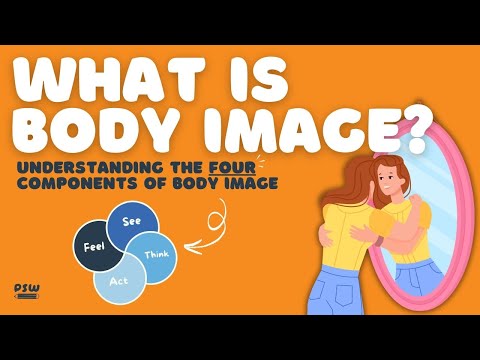
At its heart, body image refers to an individual's perception of their own body and their feelings about it. This isn't just about physical appearance; it encompasses thoughts, feelings, and behaviors related to one's body shape, size, and features. A positive body image involves appreciating your body for its function and form, while a negative one is characterized by self-criticism, anxiety, and a distorted perception of one's own appearance. Understanding this distinction is crucial for recognizing the nuances of body dissatisfaction.
📈 The Spectrum of Body Image Issues
Body image issues exist on a continuum, ranging from mild dissatisfaction to severe eating disorders like anorexia nervosa, bulimia nervosa, and binge eating disorder. Beyond clinical diagnoses, many experience subclinical issues such as body dysmorphic disorder (BDD), where individuals obsess over perceived flaws, or general feelings of inadequacy driven by societal comparison. The controversy spectrum for body image issues is high, with debates often centering on the extent to which these are individual failings versus systemic societal problems.
💡 Historical Roots and Cultural Shifts
The historical roots of body image issues are deeply intertwined with evolving beauty standards. From the voluptuous figures celebrated in Renaissance art to the slender ideals of the 20th century, what is deemed 'attractive' has shifted dramatically. The rise of mass media in the 20th century, particularly advertising and Hollywood, amplified these standards, creating a more homogenized and often unattainable ideal. The advent of social media in the 21st century has further intensified this, introducing new platforms for comparison and curated self-presentation.
⚖️ The Vibe Score: Measuring Body Image Energy
On Vibepedia, we measure the cultural energy surrounding topics using Vibe Scores. For body image issues, the Vibe Score is complex, often oscillating between high negative energy (due to widespread distress and suffering) and a growing positive energy from advocacy and body positivity movements. The optimistic perspective sees increasing awareness and acceptance, while the pessimistic perspective highlights the persistent influence of harmful ideals and the rise of new digital pressures. The overall Vibe Score for body image issues is currently around 65/100, indicating significant cultural energy and ongoing societal engagement.
💥 Key Debates and Controversies
A central debate revolves around the primary drivers of negative body image: are they inherent psychological vulnerabilities, or are they predominantly the result of external societal pressures and media manipulation? Another key controversy is the effectiveness and potential pitfalls of the body positivity movement, with critics arguing it can sometimes oversimplify complex issues or inadvertently promote unhealthy behaviors. The role of diet culture in perpetuating body dissatisfaction is also a hotly contested area, with many advocating for its dismantling.
🌐 Global Impact and Digital Influence
The digital age has amplified the global reach of body image concerns. Social media platforms like Instagram and TikTok, while offering spaces for community and advocacy, also serve as potent vectors for unrealistic beauty standards through filters, editing, and curated content. The globalized nature of media means that Western beauty ideals, for instance, can influence perceptions worldwide, often clashing with diverse local cultural norms. Understanding these influence flows is critical for addressing body image issues on a global scale.
🚀 Where Body Image is Heading
The future of body image is likely to be shaped by ongoing technological advancements and evolving societal values. We may see increased use of AI in creating hyper-realistic digital avatars that further blur the lines between reality and fantasy, potentially exacerbating body image concerns. Conversely, there's a growing push for greater inclusivity and authenticity online, with movements advocating for unfiltered content and diverse body representation. The success of these efforts will determine whether we move towards a more accepting or a more pressurized future regarding appearance.
🤝 Connecting with Support
Connecting with others who understand can be a powerful step. Vibepedia highlights numerous online communities and support groups dedicated to body image and eating disorder recovery. Organizations like the National Eating Disorders Association (NEDA) and local mental health services offer resources and direct support. For those seeking professional guidance, therapists specializing in body dysmorphia and eating psychology can provide tailored interventions. Reaching out is a sign of strength, not weakness.
📚 Further Vibepedia Exploration
To further your understanding of related concepts, explore Vibepedia's entries on eating disorders, the body positivity movement, social media's impact on mental health, beauty standards, and diet culture. These interconnected topics offer deeper insights into the systemic and individual factors contributing to body image struggles and the ongoing efforts to foster healthier self-perceptions. Each entry provides a unique lens through which to view this complex and pervasive issue.
Key Facts
- Year
- 2023
- Origin
- Vibepedia.wiki
- Category
- Psychology & Well-being
- Type
- Topic Guide
Frequently Asked Questions
What's the difference between body image and eating disorders?
Body image is how you think and feel about your body. An eating disorder is a serious mental health condition involving persistent, unhealthy eating behaviors and thoughts about food and body weight. While negative body image can be a significant risk factor for developing an eating disorder, they are not the same thing. Many people experience negative body image without having a clinical eating disorder.
Is body positivity enough to solve body image issues?
The body positivity movement has been instrumental in raising awareness and promoting acceptance of diverse bodies. However, many argue it's not a complete solution on its own. Critics point out that it can sometimes oversimplify complex issues or be co-opted by corporations. A more comprehensive approach often includes media literacy, self-compassion, and challenging systemic issues like diet culture.
How does social media specifically affect body image?
Social media often presents highly curated and filtered images, creating unrealistic beauty standards that can lead to constant comparison and feelings of inadequacy. The algorithmic nature of these platforms can also expose users to excessive content related to dieting, fitness, and appearance, further intensifying pressure. However, it also offers spaces for body-positive communities and diverse representation.
What are the signs of a more serious body image issue or eating disorder?
Signs can include preoccupation with body weight or shape, restrictive eating patterns, compulsive exercise, frequent trips to the bathroom after meals, withdrawal from social activities, and a distorted perception of one's body. If you or someone you know is exhibiting these behaviors, seeking professional help from a doctor or mental health specialist is crucial.
Can men also experience body image issues?
Absolutely. While often discussed in relation to women, body image issues affect men significantly too. They may struggle with muscularity ideals, perceived lack of muscle mass, or body fat concerns, leading to conditions like muscle dysmorphia. Societal pressures and media portrayals also impact men's perceptions of their bodies.
What is 'diet culture' and how is it related?
Diet culture is a system of beliefs that equates thinness with health and moral virtue, promoting weight loss as a primary goal and idealizing a particular body type. It permeates society through diet books, wellness trends, and media messaging, often contributing to disordered eating patterns and negative body image by creating a constant feeling of 'not being good enough'.