
Contents
- 🏥 Introduction to Meniere's Disease
- 📍 Causes and Symptoms
- 📊 Diagnosis and Treatment
- 💊 Medications and Therapies
- 👂 Comparison with Similar Conditions
- 🤝 Living with Meniere's Disease
- 📝 Managing Episodes and Triggers
- 👨⚕️ Expert Insights and Research
- 📊 Statistics and Prevalence
- 👫 Support and Resources
- Frequently Asked Questions
- Related Topics
Overview
Meniere's disease is a rare and chronic disorder of the inner ear that affects balance and hearing, with symptoms including vertigo, tinnitus, and hearing loss. The exact cause of Meniere's disease is still unknown, but it is believed to be related to an abnormality in the fluid-filled canals of the inner ear. According to the National Institute on Deafness and Other Communication Disorders (NIDCD), approximately 615,000 people in the United States have been diagnosed with Meniere's disease, with 45,000 new cases diagnosed each year. The disease was first described by French physician Prosper Meniere in 1861, and since then, various treatments have been developed, including dietary changes, vestibular rehabilitation, and surgery. Despite these advances, Meniere's disease remains a challenging condition to manage, with a significant impact on the quality of life of those affected. Researchers continue to explore new treatments, such as gene therapy and stem cell therapy, to improve the prognosis for patients with Meniere's disease.
🏥 Introduction to Meniere's Disease
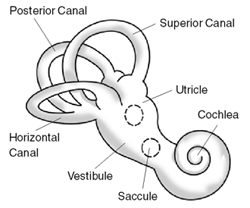
Meniere's disease is a complex and debilitating condition that affects the inner ear, causing vertigo, ringing in the ears, hearing loss, and a feeling of fullness in the ear. Typically, only one ear is affected initially, but over time, both ears may become involved. Episodes generally last from 20 minutes to a few hours, with varying time between episodes. The hearing loss and ringing in the ears can become constant over time. Meniere's disease was identified in the mid-1800s by Prosper Menière, a French physician who first described the condition. To understand Meniere's disease, it's essential to learn about the inner ear structure and how it functions. The inner ear is responsible for balance and equilibrium, and any damage to this area can cause severe symptoms.
📍 Causes and Symptoms
The exact causes of Meniere's disease are still unknown, but research suggests that it may be related to an abnormality in the endolymphatic sac, which is responsible for regulating the balance of fluids in the inner ear. Symptoms of Meniere's disease can be severe and incapacitating, and may include spinning sensations, ringing or buzzing in the ears, hearing loss, and a feeling of fullness or pressure in the ear. If you're experiencing any of these symptoms, it's essential to consult a healthcare professional for proper diagnosis and treatment. You can also learn more about Meniere's disease symptoms and how to manage them.
📊 Diagnosis and Treatment
Diagnosing Meniere's disease can be challenging, as the symptoms are similar to those of other conditions, such as labyrinthitis or vestibular migraine. A healthcare professional will typically perform a series of tests, including hearing tests and balance tests, to determine the cause of the symptoms. Treatment for Meniere's disease usually involves a combination of medications and lifestyle changes, such as reducing salt intake and managing stress. You can also learn more about Meniere's disease treatment options and how to manage the condition.
💊 Medications and Therapies
There are several medications that can help alleviate the symptoms of Meniere's disease, including diuretics to reduce fluid buildup in the inner ear, and vestibular suppressants to reduce the severity of vertigo episodes. Additionally, some people may benefit from alternative therapies, such as acupuncture or cognitive behavioral therapy. It's essential to work with a healthcare professional to determine the best course of treatment for your specific condition. You can also learn more about Meniere's disease management and how to cope with the condition.
👂 Comparison with Similar Conditions
Meniere's disease is often compared to other conditions that affect the inner ear, such as labyrinthitis or vestibular migraine. While these conditions share similar symptoms, they have distinct differences in terms of causes and treatment options. It's essential to consult a healthcare professional to determine the underlying cause of your symptoms and develop an effective treatment plan. You can also learn more about inner ear conditions and how to manage them.
🤝 Living with Meniere's Disease
Living with Meniere's disease can be challenging, but there are several strategies that can help you manage the condition and improve your quality of life. This includes stress management techniques, such as meditation or yoga, and lifestyle changes, such as reducing salt intake and getting regular exercise. You can also connect with others who have Meniere's disease through support groups or online forums, such as the Meniere's Disease Support Group.
📝 Managing Episodes and Triggers
Managing episodes and triggers is crucial for people with Meniere's disease. This includes identifying and avoiding triggers, such as stress or certain foods, and developing a treatment plan with a healthcare professional. You can also learn more about Meniere's disease episodes and how to manage them. Additionally, keeping a symptom journal can help you track your symptoms and identify patterns, which can be helpful in managing the condition.
👨⚕️ Expert Insights and Research
Research on Meniere's disease is ongoing, and experts in the field are working to develop new treatments and therapies to help manage the condition. Some of the latest developments include the use of gene therapy and stem cell therapy to repair damaged cells in the inner ear. You can also learn more about Meniere's disease research and how to stay up-to-date on the latest developments.
📊 Statistics and Prevalence
According to the National Institute on Deafness and Other Communication Disorders, Meniere's disease affects approximately 615,000 people in the United States, with 45,500 new cases diagnosed each year. The condition can affect anyone, regardless of age or gender, but it is most common in people between the ages of 40 and 60. You can also learn more about Meniere's disease statistics and how to stay informed.
👫 Support and Resources
If you or someone you know is living with Meniere's disease, there are several resources available to help. This includes support groups, such as the Meniere's Disease Support Group, and online forums, such as the Meniere's Disease Forum. You can also connect with others who have Meniere's disease through social media platforms, such as Facebook or Twitter.
Key Facts
- Year
- 1861
- Origin
- France
- Category
- Health and Medicine
- Type
- Medical Condition
Frequently Asked Questions
What are the symptoms of Meniere's disease?
The symptoms of Meniere's disease include vertigo, tinnitus, hearing loss, and a feeling of fullness in the ear. These symptoms can be severe and incapacitating, and may last from 20 minutes to a few hours. The hearing loss and ringing in the ears can become constant over time. You can also learn more about Meniere's disease symptoms and how to manage them.
How is Meniere's disease diagnosed?
Diagnosing Meniere's disease can be challenging, as the symptoms are similar to those of other conditions. A healthcare professional will typically perform a series of tests, including hearing tests and balance tests, to determine the cause of the symptoms. You can also learn more about diagnosis and treatment options for Meniere's disease.
What are the treatment options for Meniere's disease?
Treatment for Meniere's disease usually involves a combination of medications and lifestyle changes, such as reducing salt intake and managing stress. There are also alternative therapies, such as acupuncture or cognitive behavioral therapy, that may be beneficial. You can also learn more about Meniere's disease treatment options and how to manage the condition.
Can Meniere's disease be cured?
There is no cure for Meniere's disease, but there are several treatment options available to help manage the symptoms. With proper treatment and lifestyle changes, many people with Meniere's disease are able to reduce the frequency and severity of their symptoms and improve their quality of life. You can also learn more about Meniere's disease management and how to cope with the condition.
Is Meniere's disease contagious?
No, Meniere's disease is not contagious. It is a condition that affects the inner ear and is not caused by a virus or bacteria. You can also learn more about Meniere's disease causes and how to manage the condition.