
Contents
Overview
Nitric oxide (NO) is a signaling molecule essential for life, playing critical roles in everything from blood pressure regulation to immune response. Discovered as a key mediator of vasodilation in the late 1980s, its significance has since expanded dramatically, revealing its involvement in neurotransmission, cellular respiration, and even wound healing. While widely recognized for its cardiovascular benefits, research continues to uncover novel applications and potential therapeutic targets related to NO. Understanding NO's complex pathways is crucial for grasping numerous physiological processes and disease states.
🌟 What is Nitric Oxide?
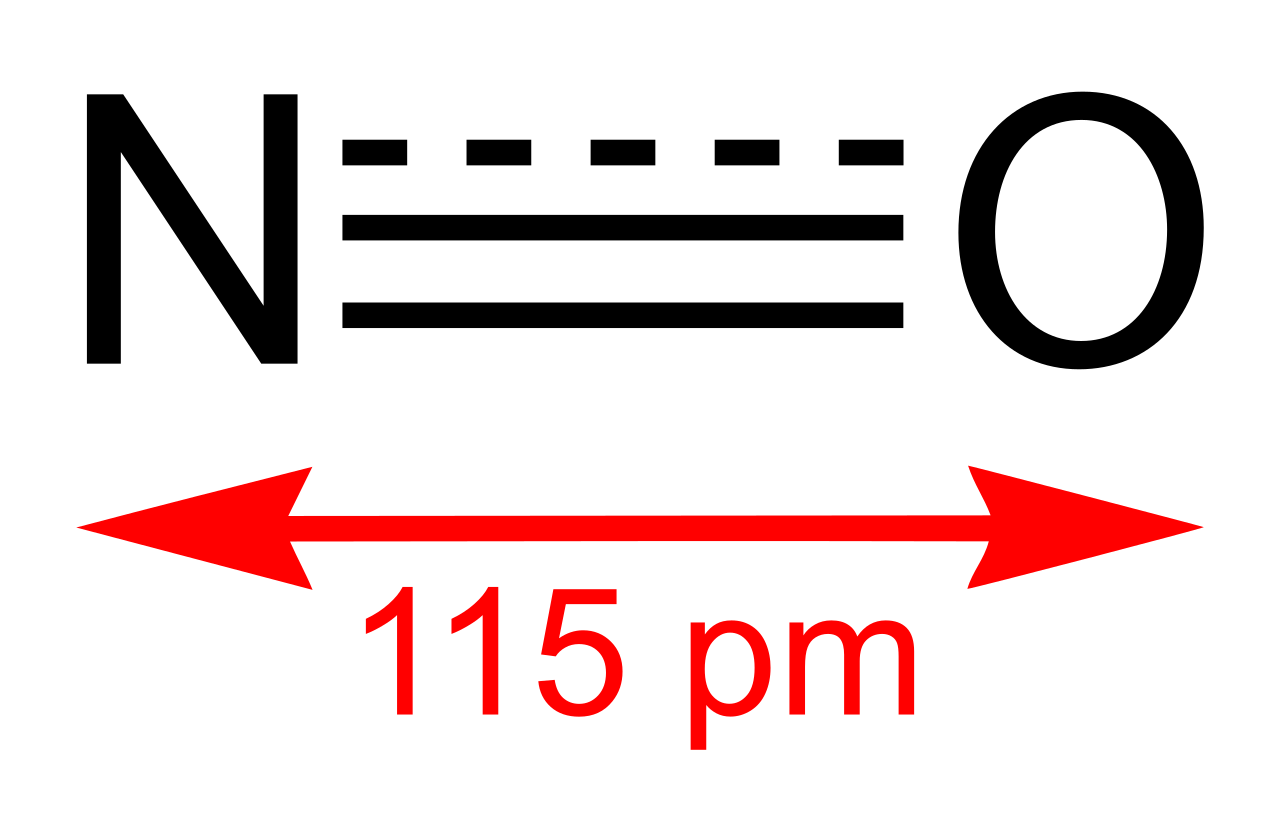
Nitric Oxide (NO) isn't just another molecule; it's the body's master signaling gas, a critical player in everything from blood flow to immune response. Think of it as the ultimate messenger, a colorless, reactive free radical with an unpaired electron that allows it to interact with countless biological targets. Its discovery as a signaling molecule, rather than just a pollutant, earned Louis Ignarro, Ferid Murad, and Robert Furchgott the Nobel Prize in Physiology or Medicine in 1998. Understanding NO is key to unlocking better cardiovascular health and overall vitality.
🔬 How Your Body Makes It
Your body is a sophisticated NO factory, primarily producing it from the amino acid L-arginine via the enzyme nitric oxide synthase (NOS). There are three main isoforms: neuronal NOS (nNOS) for nerve signaling, inducible NOS (iNOS) for immune responses, and endothelial NOS (eNOS) which is crucial for vascular health. Dietary nitrates, found abundantly in leafy greens like spinach and kale, can also be converted to NO through a separate pathway involving oral bacteria, offering a powerful dietary lever for NO production. This dual production system highlights the molecule's fundamental importance.
💪 The Powerhouse Functions
The functional scope of Nitric Oxide is staggering. It's the primary vasodilator, meaning it relaxes blood vessels, lowering blood pressure and improving circulation – essential for delivering oxygen and nutrients throughout the body. Beyond this, NO is vital for neurotransmission, regulating the immune system's attack on pathogens, and even plays a role in cellular energy production. Its influence extends to memory formation and sexual function, making it a true multi-tasker within your physiology. The impact on athletic performance is also a significant area of interest.
📈 Boosting Your Levels Naturally
You don't need fancy supplements to boost your NO. The most direct route is through diet: load up on nitrate-rich vegetables like arugula, beets, and celery. Regular exercise, particularly aerobic activity, stimulates eNOS production, enhancing your body's natural capacity. Maintaining good oral hygiene is also surprisingly important, as the bacteria in your mouth are essential for converting dietary nitrates into NO. Even simple practices like adequate sleep and stress management can indirectly support healthy NO levels by reducing inflammation.
💊 Supplements: What to Know
The supplement market is flooded with NO boosters, often featuring L-arginine or its precursor, L-citrulline. While these can be effective, quality varies wildly. Look for reputable brands with transparent sourcing and third-party testing. Be aware that high doses of L-arginine can sometimes cause digestive upset. Nitrate supplements derived from beet extract are another option, offering a concentrated dose of the precursor. Always consult with a healthcare professional before starting any new supplement regimen, especially if you have pre-existing conditions.
⚠️ Potential Downsides & Debates
While generally beneficial, NO isn't without its complexities and controversies. Excessive NO production, particularly from iNOS, can contribute to inflammation and oxidative stress, paradoxically damaging tissues. The role of NO in certain cancers is also a subject of ongoing research, with some studies suggesting it can promote tumor growth under specific conditions. Furthermore, the effectiveness and optimal dosages of various NO-boosting supplements remain debated within the scientific community, leading to a controversy spectrum that ranges from widely accepted benefits to speculative claims.
🚀 The Future of NO Research
The future of NO research is bright and brimming with potential. Scientists are exploring NO's role in treating conditions like Alzheimer's disease, erectile dysfunction, and even wound healing. New therapeutic strategies are being developed to precisely control NO levels, targeting specific tissues and cellular pathways. The development of NO-releasing drugs and biomaterials holds promise for innovative medical treatments. Understanding the intricate molecular mechanisms of NO will undoubtedly unlock further therapeutic avenues.
💡 Key Takeaways for You
In essence, Nitric Oxide is a fundamental molecule for life, orchestrating critical bodily functions from blood flow to immunity. You can actively support your NO levels through a diet rich in leafy greens and regular exercise. While supplements exist, they require careful consideration and professional guidance. The ongoing research into NO promises exciting advancements in health and medicine, underscoring its enduring importance in our understanding of human physiology. Consider exploring Vibepedia's NO research hub for deeper insights.
Key Facts
- Year
- 1980
- Origin
- Scientific Discovery
- Category
- Biochemistry & Physiology
- Type
- Biological Molecule
Frequently Asked Questions
What are the main benefits of nitric oxide?
The primary benefit of nitric oxide is its role as a vasodilator, relaxing blood vessels to improve blood flow, lower blood pressure, and enhance nutrient/oxygen delivery. It's also crucial for nerve signaling, immune function, and plays a part in memory and sexual health. These functions collectively contribute to better cardiovascular health and overall physiological well-being.
How can I increase my nitric oxide levels naturally?
You can naturally boost nitric oxide by consuming nitrate-rich vegetables like spinach, arugula, and beets, which your body converts to NO. Regular aerobic exercise also stimulates nitric oxide production. Maintaining good oral hygiene is important, as oral bacteria are key to converting dietary nitrates. Managing stress and getting adequate sleep also supports healthy NO pathways.
Are nitric oxide supplements safe?
Nitric oxide supplements, typically containing L-arginine or L-citrulline, are generally considered safe for most adults when taken as directed. However, they can cause side effects like digestive upset. It's crucial to consult a healthcare professional before starting any supplement, especially if you have underlying health conditions like low blood pressure or are taking medications. Quality and dosage are key considerations.
What is the difference between L-arginine and L-citrulline for NO production?
Both L-arginine and L-citrulline are precursors to nitric oxide. L-citrulline is often considered more effective because it bypasses initial breakdown in the liver and is more efficiently converted to L-arginine in the kidneys, leading to higher and more sustained L-arginine levels available for NO synthesis. L-arginine taken orally can be significantly metabolized before reaching circulation.
Can too much nitric oxide be harmful?
Yes, excessive nitric oxide production, particularly from the inducible NOS (iNOS) pathway, can be detrimental. It can contribute to inflammation and oxidative stress, potentially damaging cells and tissues. In certain contexts, high NO levels have been linked to the progression of some diseases, including certain types of cancer. This highlights the importance of balanced NO signaling rather than simply maximizing its production.
What is the role of nitric oxide in athletic performance?
Nitric oxide enhances athletic performance primarily by improving blood flow to muscles, delivering more oxygen and nutrients while facilitating waste removal. This vasodilation effect can lead to increased endurance, reduced muscle fatigue, and better muscle pumps. Some athletes use NO-boosting supplements to optimize these physiological advantages during training and competition.