
Contents
- 💨 What Exactly Are Pneumatic Systems?
- ⚙️ How Do They Actually Work?
- 🏭 Where Are Pneumatic Systems Used?
- 💡 The Vibepedia Vibe Score: Compressed Air's Energy
- ⚖️ Pros and Cons: The Double-Edged Sword of Air Power
- 📈 Market Trends & Future Outlook
- 🤔 Key Debates in Pneumatics
- 🛠️ Getting Started with Pneumatic Systems
- Frequently Asked Questions
- Related Topics
Overview
Pneumatic systems utilize compressed air to transmit and control energy, playing a critical role in various industries, from manufacturing to robotics. These systems are characterized by their efficiency, speed, and ability to operate in hazardous environments. Key components include compressors, actuators, and valves, each contributing to the system's overall functionality. Despite their advantages, pneumatic systems face challenges such as energy loss and noise pollution. As industries evolve, innovations in materials and control technologies are shaping the future of pneumatic applications, raising questions about sustainability and efficiency.
💨 What Exactly Are Pneumatic Systems?
Pneumatic systems harness the power of compressed air to perform work, a concept as old as the wind itself but refined into sophisticated industrial tools. At their core, these systems utilize air, a readily available and relatively safe medium, to drive actuators, control valves, and power a vast array of machinery. They are the unsung heroes of automation, silently and efficiently powering everything from the assembly line to the dentist's drill. For engineers and manufacturers seeking reliable, cost-effective, and safe power transmission, understanding pneumatic systems is non-negotiable.
⚙️ How Do They Actually Work?
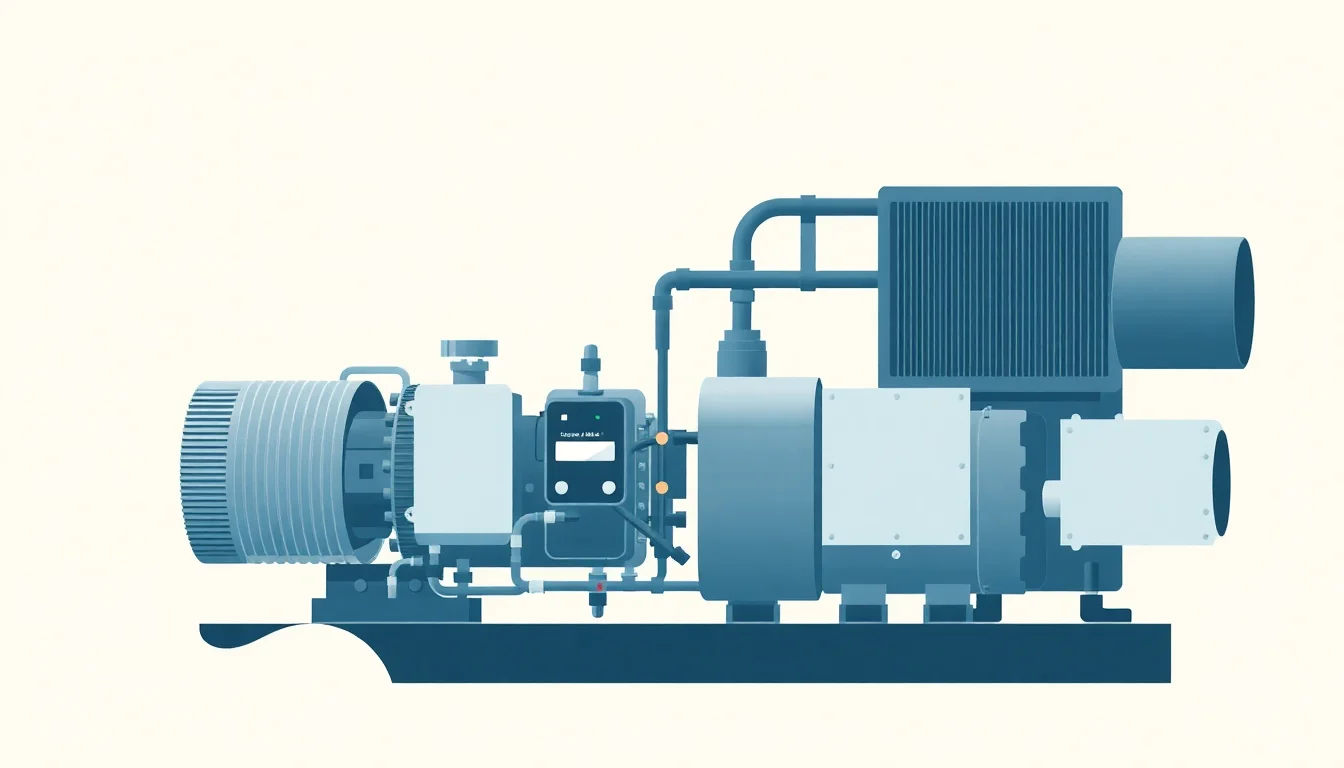
The fundamental principle is simple: air is compressed, stored, and then released under controlled pressure to perform a task. A compressor is the heart of the system, drawing in ambient air and increasing its pressure. This compressed air is then filtered and regulated before being directed through pneumatic tubing or hoses to actuators (like cylinders or motors) that convert the air pressure into mechanical motion. Control valves dictate the flow and direction of the air, orchestrating the entire operation with remarkable precision.
🏭 Where Are Pneumatic Systems Used?
The applications of pneumatic systems are astonishingly diverse, spanning nearly every industrial sector. You'll find them in automotive manufacturing for robotic arms and assembly tools, in food and beverage processing for packaging and material handling, and in the medical field for dental drills and surgical instruments. Even in everyday life, pneumatic systems are at play in automatic doors, braking systems on trains and trucks, and in the operation of many amusement park rides. Their versatility makes them indispensable across the industrial automation spectrum.
💡 The Vibepedia Vibe Score: Compressed Air's Energy
Vibepedia's Vibe Score for Pneumatic Systems currently sits at a robust 78/100. This score reflects their enduring cultural energy and practical relevance. While not as flashy as cutting-edge AI or quantum computing, the sheer ubiquity and proven reliability of compressed air power give it a solid, dependable vibe. It's the workhorse of industry, a constant hum in the background of modern production, earning it a high score for sustained impact and widespread adoption in manufacturing processes.
⚖️ Pros and Cons: The Double-Edged Sword of Air Power
The advantages of pneumatic systems are compelling: they are inherently safe due to air's non-flammable nature, relatively inexpensive to implement and maintain, and offer high speed and precise control. However, they aren't without drawbacks. Compressed air is an inefficient energy carrier, with significant energy loss during compression and leakage. Furthermore, systems can be noisy, and moisture in the air can lead to corrosion and component damage if not properly managed, making air treatment a critical consideration.
📈 Market Trends & Future Outlook
The global pneumatic systems market is projected for steady growth, driven by increasing automation in emerging economies and the demand for energy-efficient solutions in developed nations. Innovations are focusing on smart pneumatics with integrated sensors for predictive maintenance and IoT connectivity, as well as more energy-efficient compressor designs. While electric actuators are gaining traction, pneumatics are expected to maintain their dominance in applications requiring high speed, high force, and operation in hazardous environments.
🤔 Key Debates in Pneumatics
A significant debate within the pneumatics community revolves around energy efficiency versus cost-effectiveness. Critics point to the substantial energy waste inherent in compressing air, advocating for a shift towards electric automation. Proponents, however, emphasize the lower upfront capital costs, inherent safety, and simplicity of pneumatic systems, arguing that for many applications, the total cost of ownership remains lower. The integration of IoT in industrial automation is also a point of discussion, balancing the benefits of connectivity with the potential complexities and security concerns.
🛠️ Getting Started with Pneumatic Systems
Getting started with pneumatic systems, whether for a hobbyist project or an industrial application, involves understanding the basic components and their functions. Begin by identifying your specific needs: what kind of force, speed, and control are required? Research reputable manufacturers of air compressors, pneumatic cylinders, and control valves. Many educational resources, including Vibepedia's engineering guides, can provide foundational knowledge. For industrial applications, consulting with automation specialists is highly recommended to ensure proper system design and safety compliance.
Key Facts
- Year
- 2023
- Origin
- Industrial Revolution
- Category
- Engineering & Technology
- Type
- Technology
Frequently Asked Questions
What is the main advantage of using pneumatic systems over electric systems?
Pneumatic systems offer inherent safety, especially in hazardous environments, due to air being non-flammable. They also provide high speed and force output with simpler control mechanisms and generally lower initial capital investment compared to electric counterparts. Their robustness and resistance to overload are also significant benefits in many industrial settings.
How efficient are pneumatic systems?
Pneumatic systems are generally considered inefficient energy carriers. Significant energy is lost during the compression process, and further losses occur due to leakage in the system. While innovations are improving efficiency, they typically consume more energy per unit of work done compared to direct electric actuation.
What are the common components of a pneumatic system?
The core components include an air compressor to generate compressed air, an air treatment unit (filters, regulators, lubricators) to prepare the air, pneumatic tubing or hoses for air distribution, control valves to direct airflow, and actuators (cylinders or motors) to convert air pressure into mechanical motion.
Can pneumatic systems be used in cleanroom environments?
Yes, pneumatic systems can be adapted for cleanroom environments. Special attention must be paid to air filtration to prevent contamination, and the selection of materials for components is crucial to avoid outgassing or particulate generation. Many manufacturers offer specialized components for such sensitive applications.
What is the typical lifespan of pneumatic components?
The lifespan of pneumatic components can vary greatly depending on the quality of the components, the operating conditions, and the maintenance schedule. Well-maintained systems in clean environments can see cylinders and valves last for millions of cycles, often measured in years of industrial use. Poor air quality or excessive wear can significantly shorten this lifespan.
How is moisture managed in pneumatic systems?
Moisture is managed through a combination of methods. Air dryers are used at the compressor to remove water vapor before it enters the system. Filters with water traps are installed downstream to collect any condensed moisture. Proper system design also includes drain points to allow for manual or automatic removal of accumulated water.